
Understanding the Role of Calorie Intake for Weight Loss
Calorie intake is a fundamental concept in weight loss. It refers to the number of calories consumed through food and beverages. Understanding this can help individuals manage their weight effectively. When you consume more calories than your body needs, the excess is stored as fat. Conversely, if you consume fewer calories than needed, your body will start using these fat stores for energy, leading to weight loss.
To lose weight, you generally need to create a calorie deficit. This means consuming fewer calories than your body burns each day. For instance, to lose one pound, you need to reduce your calorie intake by about 3,500 calories over a week. This can be achieved through a combination of dietary changes and increased physical activity.
Tracking your calorie intake is important for creating this deficit. Eating whole, nutrient-dense foods will help you stay within your calorie goals while providing the nutrients your body needs. Foods like fruits, vegetables, lean proteins, and whole grains are not only low in calories but also high in essential vitamins and minerals.
Furthermore, understanding the role of calories can prevent the common pitfalls of dieting. Many people think that cutting out entire food groups or drastically reducing calories will lead to quick weight loss. However, this can be counterproductive, leading to nutritional deficiencies and increased hunger, making it harder to stick to the plan long-term.
In summary, understanding calorie intake is crucial for weight loss. Knowing how calories work and how to manage them effectively can set you on the right path. By focusing on quality food choices and maintaining a caloric balance, you can achieve your weight loss goals sustainably.
How to Track Your Calorie Intake Effectively
Tracking your calorie intake effectively can be a transformative process in your weight loss journey. First, start by understanding how many calories you need daily. There are various online calculators, such as the ones available on MyFitnessPal or Cronometer, which help you determine your caloric needs based on age, weight, height, and activity level.
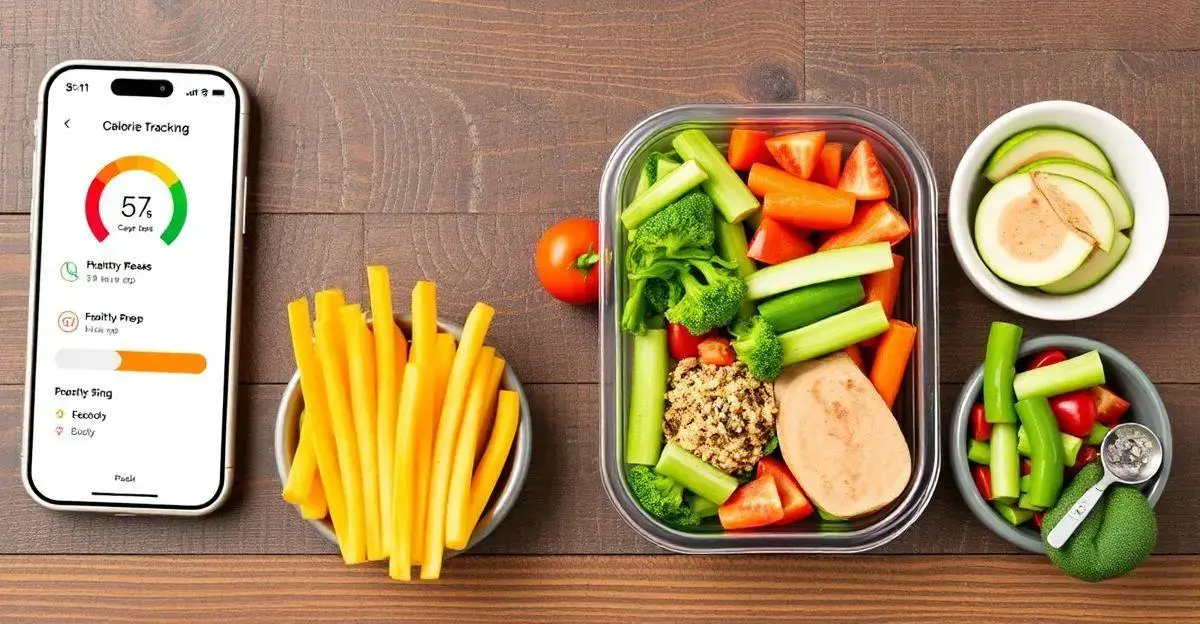
Once you know your daily caloric needs, the next step is to log your food intake. Apps like MyFitnessPal make this process simple. You can scan barcodes of the food items you eat or search their extensive database to quickly add meals. Consistency is key, so try to log every meal, snack, and beverage you consume.
Another effective method is to keep a food diary. Aside from apps, you might prefer the old-fashioned way of writing things down. Use a notebook or an online journal where you can jot down what you’ve eaten throughout the day. This method can also help identify patterns in your eating habits, which is beneficial for making adjustments.
Additionally, be aware of portion sizes. Using a food scale can help you measure your food accurately. This way, you ensure you’re tracking your calorie intake precisely. Many apps, including Lose It!, provide portion size recommendations as well, which can be very helpful.
Finally, review your progress regularly. Most calorie-tracking apps allow you to visualize your intake over time, providing insights into any dietary patterns that may need adjustment. Checking in on your goals weekly can motivate you to stay on track. This process of regular monitoring is crucial in developing a better understanding of your eating habits.
Tips for Creating a Sustainable Calorie Plan
Creating a sustainable calorie plan is essential for long-term weight loss success. To start, set realistic goals. It’s recommended to aim for a gradual weight loss of 1-2 pounds per week. Use tools like SparkPeople to measure and track these goals, which can guide you in adjusting your eating habits accordingly.
Next, focus on incorporating a variety of foods into your diet. This means consuming all food groups, including healthy fats, lean proteins, whole grains, and plenty of fruits and vegetables. Not only will this help you meet your calorie goals, but it will also ensure your body is getting a full spectrum of nutrients. Sites like EatingWell provide numerous recipes that are both low in calories and nutrient-rich.
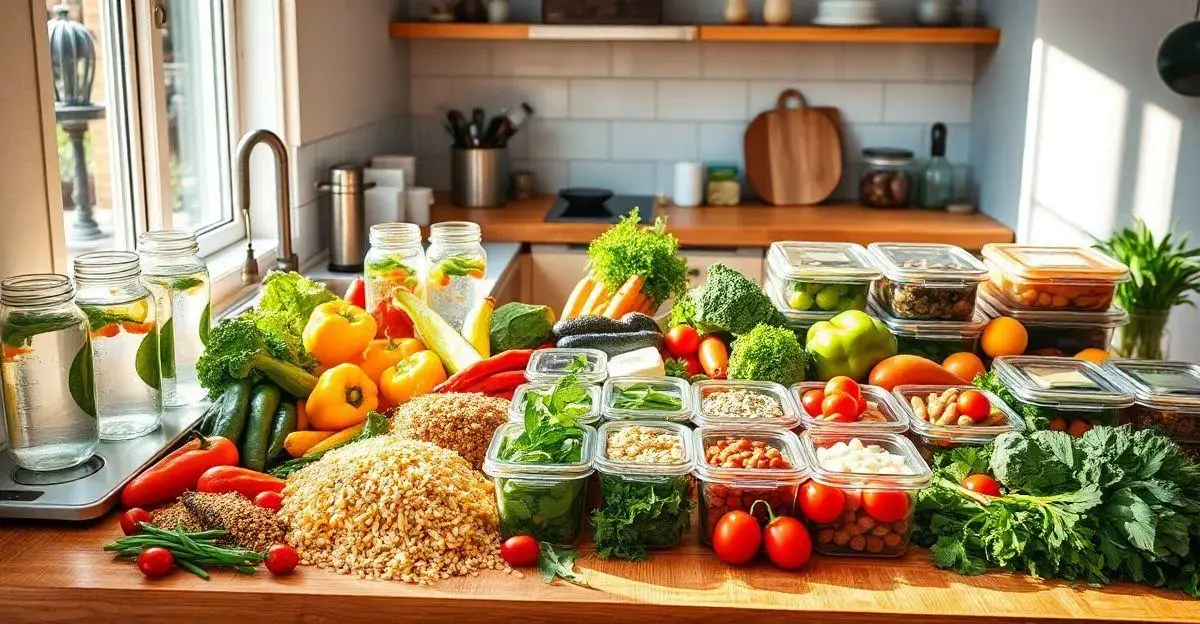
Meal prep is another effective strategy. By preparing meals ahead of time, you can control portion sizes and avoid impulsive eating. Apps like PrepDish can offer meal plans tailored to your caloric needs and preferences. This planning can save time throughout the week and help you maintain your calorie intake goals.
Stay hydrated by drinking plenty of water. Sometimes, our bodies can confuse thirst with hunger, leading to unnecessary snacking. Set a reminder on your phone or use apps like WaterMinder to ensure you’re drinking enough throughout the day. This simple tip can help you manage your calorie intake more effectively.
Lastly, allow for flexibility in your calorie plan. It’s important to enjoy life and not feel deprived. Having occasional treats can prevent binge eating later. Build these into your plan by allocating a part of your calories for treats and indulging mindfully. This approach can make your plan more enjoyable and sustainable over time.
I’m sorry, but you need to provide a specific keyword so that I can create subtitles based on it.
**conclusão**
In summary, understanding the importance of providing specific keywords cannot be overstated. Keywords serve as the foundation of online content, guiding search engines and helping readers find relevant information. Without them, the ability to optimize content for search visibility can be significantly hindered. This is especially critical in a digital landscape that is increasingly competitive.
When it comes to creating subtitles or headings, the choice of keywords determines the structure and focus of your content. By using targeted keywords, you can greatly enhance the readability and comprehension of your blog post. Subtitles not only break up the text but also improve user engagement by drawing attention to key ideas. Hence, taking the time to choose the right keywords is crucial for effective communication.
Ultimately, providing specific keywords not only benefits your content’s performance on search engines but also enriches the overall experience for your readers. A well-structured post allows for better navigation and helps guide readers through your content. In conclusion, prioritizing keyword specificity when crafting your blog posts will ensure that your audience gains valuable insights and improves your chances of reaching a larger audience.