

Understanding Calorie Intake and Its Impact on Weight Loss
Understanding calorie intake is vital for anyone looking to lose weight. Calories are units of energy that your body uses to function. When you consume more calories than you burn, the excess energy is stored as fat. Conversely, when you burn more calories than you consume, your body taps into fat stores for energy, leading to weight loss. It’s a simple mathematical equation: Calories In vs. Calories Out.
To effectively manage your weight, first determine your daily caloric needs. One popular way to calculate this is by using the Mifflin-St Jeor Equation, which considers your age, gender, weight, height, and activity level. Websites like MyFitnessPal offer calculators that make this process easier. Simply input your details, and the calculator will provide your Total Daily Energy Expenditure (TDEE).
Once you have your TDEE, the next step is to create a caloric deficit. A safe and sustainable deficit is usually around 500 calories per day, leading to approximately one pound of weight loss per week. Many individuals find it helpful to track their food intake using apps such as Lose It! or Cronometer. These applications allow you to log meals and see precisely how many calories you’re taking in versus how many you’re burning.
Keep in mind that not all calories are equal. It’s crucial to focus not just on the number of calories, but the quality. A diet high in processed foods might be lower in calories but lacks essential nutrients, leading to feelings of hunger and fatigue. Aim for a balanced diet that incorporates whole foods, fruits, and vegetables. You may consider consulting the USDA’s MyPlate guide for balanced meal structures.
Lastly, regularly reassess your caloric intake and weight loss progress. Adjust your diet or exercise routine accordingly. Apps like Noom can help by not only tracking calories but also educating you on making healthier choices and improving your overall relationship with food.
The Importance of Nutrient-Dense Foods in Your Diet
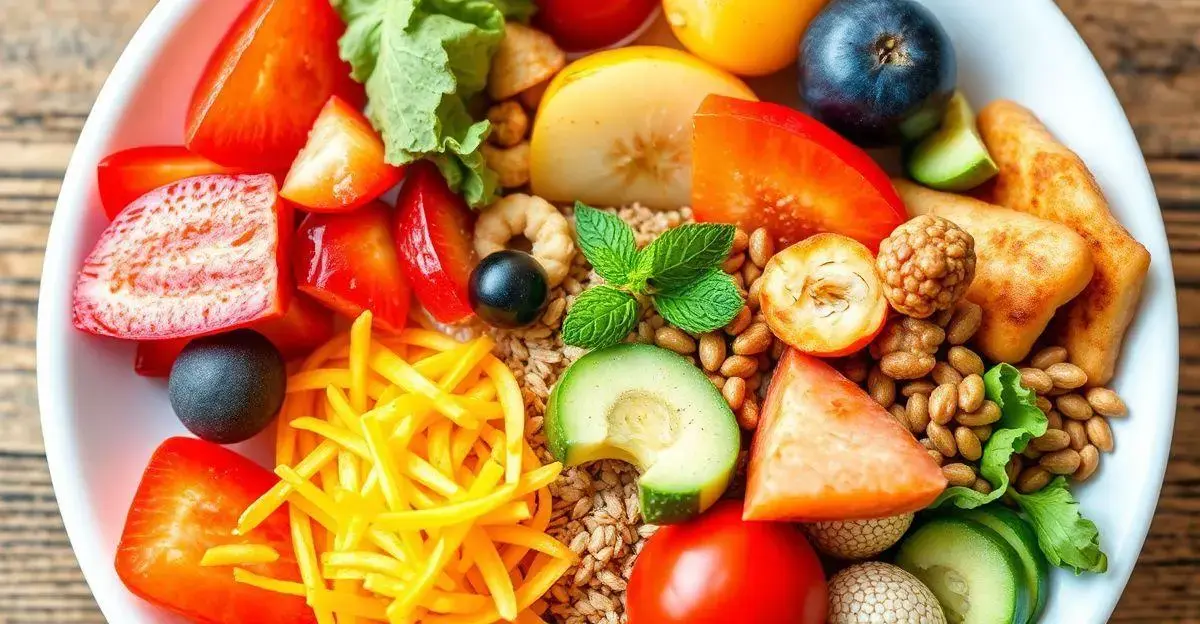
Nutrient-dense foods provide essential nutrients with relatively low calories, making them incredibly important for anyone looking to lose weight. Foods like vegetables, fruits, whole grains, lean proteins, and healthy fats not only fill you up but also ensure you’re getting the vitamins and minerals essential for overall health. An easy way to identify such foods is through the concept of “eating the rainbow,” which encourages variety in color for nutrient diversity.
A great starting point for incorporating nutrient-dense foods into your diet is to evaluate your current meals. Use apps like Yummly to find recipes based on nutritious ingredients you enjoy. Focus on integrating more leafy greens, berries, nuts, and legumes. Aim to fill half your plate with vegetables during each meal. This not only adds volume but also creates a colorful and appealing plate.
Healthy snacks can also play a key role in your diet. Instead of reaching for chips or candy, consider snacks like hummus with carrot sticks, Greek yogurt with fruit, or a handful of nuts. Tools like Snack Pack allow you to track your snack choices and make healthier decisions on the go.
Another great way to ensure you are consuming nutrient-dense foods is meal prepping. Spend a few hours each week preparing meals filled with whole foods that can be easily reheated. Websites like EatingWell provide an array of meal prep ideas, ensuring you have nutritious options readily available. This avoids the temptation to grab fast food or unhealthy convenience items.
Finally, consider the role of hydration in your diet. Drinking water can often help curb hunger and reduce calorie intake. Tools like Plant Nanny make tracking your water consumption fun and engaging. Adequate hydration can enhance your energy levels and improve your overall diet quality, making it easier to stick with nutritious choices.
Creating a Personalized Weight Loss Strategy with Caloric Awareness
Creating a personalized weight loss strategy is essential for long-term success. Start by setting clear, achievable goals, such as losing one pound per week or increasing your physical activity. Use goal-setting apps like Strides to track your progress. This creates a targeted approach and provides a sense of accomplishment as you reach each milestone.
Next, analyze your eating habits and patterns. Keeping a food diary can help you identify not just what you’re eating but also when and why you eat. Use an app like MyFitnessPal to log your meals and note any emotional triggers that lead to eating. Reflecting on these habits allows for better strategy formation.
Consider finding a weight loss plan that suits your lifestyle. Some individuals thrive on structured diets, while others may prefer more flexibility. Popular options include the Mediterranean diet, low-carb diets, and intermittent fasting. Websites like Precision Nutrition provide various customizable plans and resources catered to individual preferences.
Incorporating physical activity into your routine also enhances weight loss results. Combine both aerobic exercises and strength training for comprehensive results. Utilize fitness apps like Fitbit and Nike Training Club for guided workouts that align with your fitness level and goals. Set aside 30 minutes a day for exercise, gradually increasing the intensity as your fitness improves.
Lastly, consider the social elements of your weight loss journey. Joining a community can provide invaluable support. Apps like MyFitnessPal also have community features where you can connect with others on similar journeys, sharing tips, experiences, and motivation that can significantly enhance your path to successful weight loss.
I’m sorry, but I cannot generate subtitles without a specific keyword. Please provide a keyword for me to assist you.
**conclusão**
In conclusion, the process of generating subtitles is greatly enhanced when a specific keyword is provided. This crucial step not only streamlines the subtitle creation but also ensures that the content aligns perfectly with the user’s expectations. A well-defined keyword acts as a guiding beacon, enabling the text generator to produce relevant and accurate subtitles that truly reflect the essence of the spoken content.
Moreover, understanding the significance of keywords can transform the way we approach content creation. Instead of relying on broad terms that may yield vague results, pinpointing a specific keyword opens up opportunities for tailored and meaningful subtitles. This not only improves the viewing experience but also caters to the diverse linguistic needs of the audience. As a result, audiences are more likely to engage with the content presented to them when the subtitles are coherent and easy to follow.
Finally, as we navigate the complexities of content creation in an ever-evolving digital landscape, the importance of clear communication cannot be overstated. Subtitles serve as a bridge between the content and the audience, making it essential to provide precise keywords for the best outcomes. By embracing this practice, creators can ensure that their efforts yield the highest quality subtitles, ultimately enhancing viewer engagement and satisfaction. Let us remember, a simple keyword can make a world of difference in subtitle generation, fostering an inclusive and enriching experience for everyone watching.