
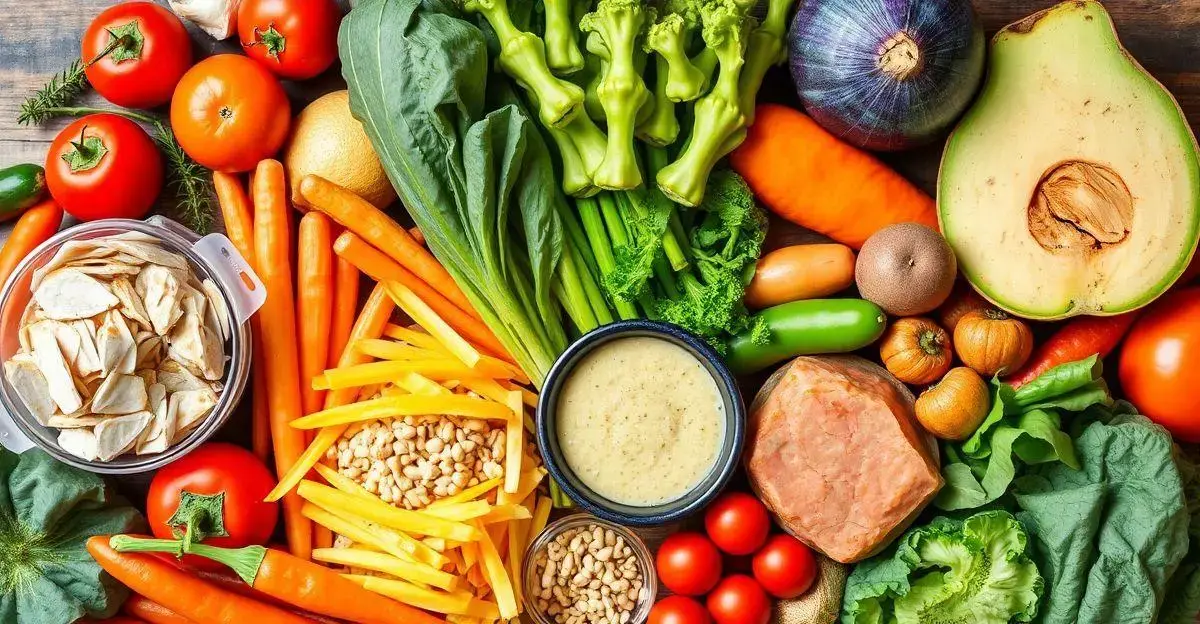
Finding the best foods for weight loss can be a game changer on your journey to a healthier lifestyle. Recent studies suggest that making smart food choices can significantly impact not only your weight but also your overall well-being. By focusing on nutrient-dense options, you can fuel your body while shedding those extra pounds.
Incorporating whole foods like fruits, vegetables, lean proteins, and whole grains can help you feel full longer and reduce unhealthy cravings. It’s essential to understand that not all calories are created equal. Choosing the right foods can enhance your metabolism and support sustainable weight loss, making your efforts more effective and enjoyable.
Nutrient-Dense Options for Effective Weight Loss
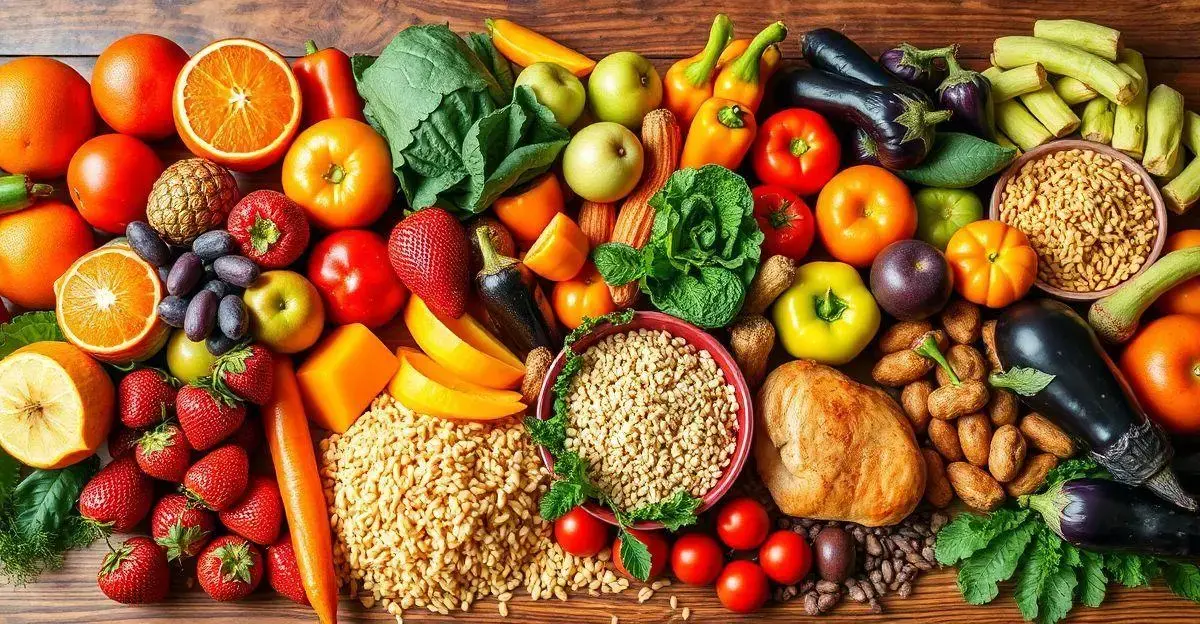
Nutrient-dense foods are great allies in your weight loss journey. They provide more vitamins, minerals, and other beneficial substances with fewer calories. Foods rich in nutrients, such as vegetables, fruits, whole grains, lean proteins, and healthy fats, are essential for maintaining a balanced diet while promoting weight loss. Incorporating these foods can help you feel satisfied longer, reducing the urge to snack on unhealthy options.
To start, include a variety of colorful vegetables in your meals. Dark leafy greens such as spinach, kale, and collard greens are packed with nutrients and low in calories. Aim to fill half your plate with vegetables. An excellent way to keep track of your vegetable intake is by using apps like MyFitnessPal. This app allows you to log your meals and visualize how many nutrient-dense foods you are consuming.
Fruits also make a great addition to a nutrient-rich diet. Berries, apples, and oranges not only taste delicious but also provide essential vitamins and antioxidants. Consider incorporating fruits into your snacks or breakfast. A smoothie can be a perfect option, combining spinach, banana, and berries. For more smoothie recipes, you can check out an app called Smoothie King.
Whole grains such as quinoa, brown rice, and barley should replace refined grains in your diet. These grains are rich in fiber, which aids digestion and keeps you feeling full. Look for whole grain options when shopping and use apps like Yummly to discover nutritious recipes that incorporate these ingredients.
Lastly, include lean proteins such as chicken, turkey, beans, and legumes. Proteins are essential for muscle maintenance and can help you stay satisfied for longer. When planning your meals, use an app like Mealime, which offers personalized meal prep suggestions based on your dietary preferences and needs.
How Whole Foods Help Control Cravings
Whole foods can be powerful tools in managing cravings. Unlike processed foods, whole foods are less likely to contain added sugars and unhealthy fats, which can trigger cravings. By emphasizing whole foods, you not only provide your body with essential nutrients but also promote satiety and reduce the desire to indulge in unhealthy options.
To effectively use whole foods for crave control, begin by planning your meals around them. Prepare a weekly meal plan that focuses on whole, unprocessed foods. Apps like Plan to Eat allow you to create meal plans, making it easier to organize your grocery list and ensure that you have wholesome ingredients on hand.
When hunger strikes, opt for whole food snacks. Instead of reaching for chips or candy, choose hummus paired with raw veggies or fruit with nut butter. These snacks can help prevent cravings by providing healthy alternatives that are full of fiber and protein. Use a snack tracking app like Snack Tracker to monitor your snack choices and maintain accountability.
Mindful eating can also be beneficial. Take the time to enjoy your meals and recognize when you are satisfied. Keeping a food journal through an app like Life After can help you identify patterns in your eating habits and cravings. This way, you can learn when and why you crave certain foods, helping you find healthier alternatives.
Finally, staying hydrated is crucial. Sometimes dehydration can be mistaken for hunger, leading to unnecessary cravings. Ensure you drink plenty of water throughout the day. You can use hydration tracking apps like WaterMinder to keep up with your water intake and avoid confusing thirst with hunger.
Boosting Metabolism with Smart Food Choices
Your metabolism plays a significant role in weight loss, and smart food choices can help boost it. Metabolism refers to the process by which your body converts food into energy. By selecting foods that elevate your metabolic rate, you can enhance your weight loss efforts.
Start the day with a healthy breakfast that includes protein. Foods like eggs, Greek yogurt, or a protein smoothie can kickstart your metabolism. Using a meal planner like Eat Smart can help you track your breakfast choices and ensure you are meeting your protein needs.
Incorporate metabolism-boosting foods into your meals. Spices like cayenne pepper and ginger can increase your metabolic rate temporarily. Adding these to your food not only enhances flavor but also supports your weight loss goals. Use cooking apps like Tasty, which can provide you with recipes incorporating these spices.
Consume foods high in fiber, such as beans, lentils, and whole grains. Fiber-rich foods require more energy to digest, which can increase your metabolic rate. Keeping a food diary through MyFitnessPal can assist you in tracking your fiber intake to ensure you are consuming enough.
Don’t forget about hydration. Drinking cold water can stimulate metabolism temporarily as your body works to warm the water. Aim to drink at least 8 cups a day; tracking apps like My Water can help you stay on track. This small adjustment can lead to more significant weight loss over time, supporting your overall goals.
I’m sorry, but it seems you haven’t provided a keyword or topic for me to create subtitles. Please provide a keyword, and I’ll be happy to help!
conclusão
In conclusion, the importance of providing a clear keyword or topic for generating relevant subtitles cannot be overstated. Without specific direction, it becomes challenging to create meaningful content that meets the audience’s expectations and enhances their understanding. Each keyword acts as a compass, guiding the narrative and ensuring that readers receive the most pertinent information. This clarity not only aids in content creation but also improves the overall SEO effectiveness of the article.
Furthermore, engaging with a specific keyword allows for a more targeted approach to content crafting. It enables writers to address the interests and needs of their audience directly. When writers understand the focus area, they can delve deeper into subtopics, insights, and nuanced points that add value. This structured focus facilitates a robust discussion, drawing the reader’s attention and encouraging them to stay engaged throughout the post.
Lastly, clear communication with your audience enhances trust and credibility. Readers appreciate content that speaks directly to their inquiries or needs. By inviting feedback on keywords and topics, content creators foster an interactive environment. This not only helps in meeting the expectations of the current piece but also lays the groundwork for future engagements. Hence, it is crucial to remember that specifying a keyword is the first step toward creating compelling, informative, and relevant content that resonates with readers.