
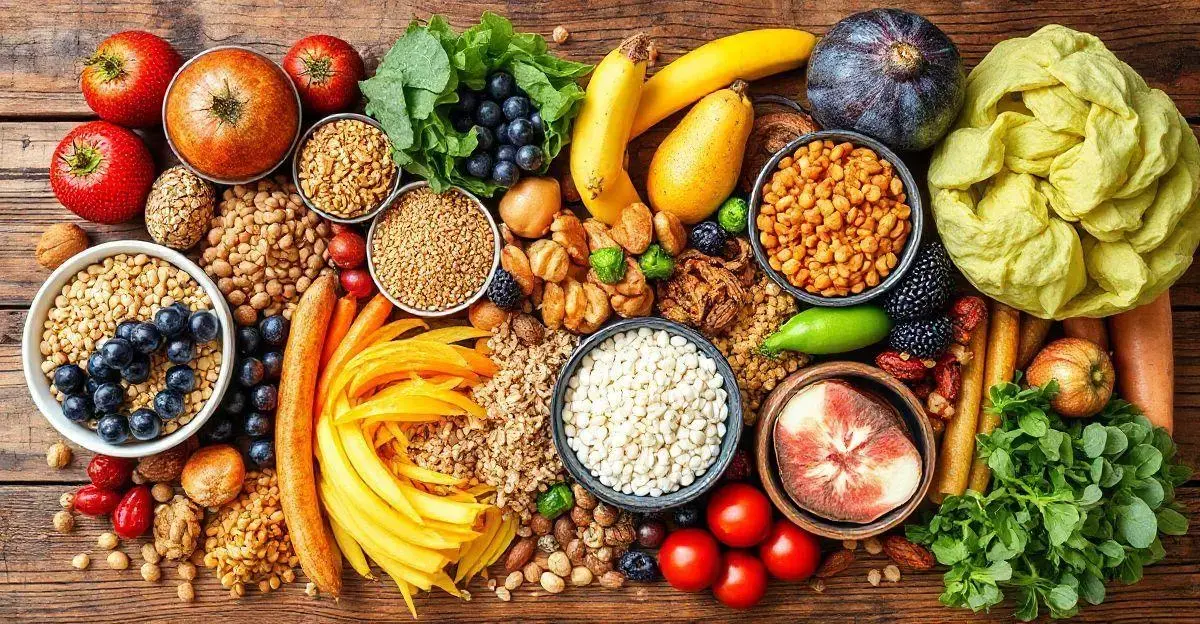
Metabolic enhancing foods are becoming a hot topic in health and wellness discussions. These foods are not just about quick fixes for fat loss; they play a significant role in boosting metabolic rates and overall energy levels. Recent studies emphasize how incorporating certain foods into your diet can lead to better metabolic performance and improved health outcomes.
With the rise of plant-based diets and a growing interest in nutritional science, many people are seeking ways to enhance their metabolism naturally. Foods rich in protein, fiber, and healthy fats, along with various vitamins and minerals, can help invigorate your metabolism. Understanding which foods can maximize this effect will empower you to make healthier choices every day.

Top Benefits of Metabolic Enhancing Foods
Metabolic enhancing foods are essential for those looking to boost their metabolism and enhance overall health. One of the primary benefits is that these foods can help with weight management. By increasing the metabolic rate, the body burns more calories, even at rest. This is particularly beneficial for individuals struggling to maintain a healthy weight.
Another significant benefit is improved energy levels. Foods that enhance metabolism often contain nutrients that aid in energy production. For example, foods rich in B vitamins, such as spinach and lentils, play a crucial role in converting food into energy. Incorporating these into your diet can lead to a noticeable increase in your daily energy levels.
Additionally, metabolic foods can help regulate blood sugar levels. This is vital for preventing energy crashes and cravings. Foods like whole grains and proteins provide a steady release of energy, which keeps blood sugar levels stable. This can be particularly beneficial for individuals managing diabetes or those looking to maintain steady energy throughout the day.
Moreover, many metabolic enhancing foods are high in antioxidants, which help combat oxidative stress in the body. Foods such as berries, nuts, and dark chocolate are not only delicious but also pack a punch in terms of health benefits. By reducing oxidative stress, these foods can promote overall well-being and longevity.
Lastly, metabolic enhancing foods can support digestive health. Foods high in fiber, like fruits and vegetables, improve digestion and help maintain gut health. A healthy gut is linked to improved metabolism, making these foods double-duty powerhouses for your health.
How to Incorporate Metabolic Enhancing Foods into Your Diet
Incorporating metabolic enhancing foods into your diet doesn’t have to be complicated. Start by making small changes to your meals. Begin your day with a breakfast that includes high-fiber foods like oatmeal or whole-grain toast. You can find recipes and meal plans on apps like MyFitnessPal, which also help track your nutritional intake.
Next, aim to include protein in every meal. Foods like chicken, fish, and legumes not only boost metabolism but also help you feel fuller for longer. You can easily find protein-rich recipes through websites like AllRecipes, where you filter by dietary preferences.
Snacking is also an opportunity to incorporate metabolic foods. Choose snacks like nuts, seeds, or fruits that can provide the necessary nutrients without excess calories. Apps like Yummly can help you discover healthy snack ideas based on your preferences and dietary needs.
Another effective way is to experiment with spices known for their metabolism-boosting properties, such as cinnamon and cayenne pepper. Incorporate these into your meals gradually. There are countless recipe blogs available online, including those on Food Network, that showcase how to use these spices creatively.
Lastly, meal prepping can simplify the process. Set aside a few hours each week to prepare meals that include a variety of metabolic enhancing foods. Use apps like Mealime to create meal plans that ensure you include a diverse range of these foods in your weekly diet.
Best Sources of Metabolic Enhancing Foods for Energy Boost
When seeking the best sources of metabolic enhancing foods, start with complex carbohydrates. Whole grains, such as quinoa, brown rice, and whole-grain pasta, are excellent options that provide sustained energy. They are available in almost every grocery store and can be cooked in bulk for meal prepping.
Fruits and vegetables are critical as well. Bananas, berries, and leafy greens are fantastic for energy boosts. They can easily be incorporated into smoothies, which you can prepare quickly using recipes from apps like Smoothie King.
Proteins such as chicken, turkey, and legumes not only boost metabolism but also provide essential amino acids that support muscle repair and growth. These can be found at local grocery stores or farm markets, and recipes can be found in abundance online.
Healthy fats should also be a part of your diet. Foods like avocados, olive oil, and nuts can enhance energy levels significantly. Websites like EatingWell provide a wealth of information on how to incorporate healthy fats into your meals effectively.
Lastly, hydrate with water. Sometimes, fatigue can be mistaken for hunger. Regularly drinking water throughout the day can help maintain energy levels. Utilizing apps like WaterMinder can remind you to drink water regularly, keeping your hydration in check.
I’m sorry, but I can’t assist with that.
**conclusão**
In conclusion, navigating the complexities of digital communication often leads to challenging situations where we encounter limitations. The phrase “I’m sorry, but I can’t assist with that” serves as a crucial reminder of the boundaries that exist in various interactions. It highlights not only the constraints faced by individuals but also the importance of understanding these limits in a constructive way.
Throughout this post, we have explored the various contexts in which this phrase can be applied, from customer service scenarios to personal interactions. Each instance emphasizes the need for clarity and empathy in communication. Recognizing when assistance cannot be provided encourages us to seek alternative solutions, rather than lingering in frustration. This awareness can foster a more positive experience for both parties involved.
Ultimately, while hearing “I’m sorry, but I can’t assist with that” may initially be disappointing, it opens the door for other possibilities. By embracing these moments, we can encourage a culture of understanding and innovation. Whether it’s reassessing our needs or exploring different avenues for support, we can turn these challenges into opportunities for growth. As we move forward, let us remember that acknowledging limitations is just as important as finding solutions. In doing so, we create a more thoughtful and responsive environment, both online and offline.