
Delicious and Nutritious Ingredients for Your Healthy Meal
Creating healthy meals can be delightful when you use fresh and nutritious ingredients. Start by incorporating a variety of vegetables into your meals. Vegetables like spinach, kale, broccoli, and bell peppers add essential vitamins and minerals while keeping the calorie count low. You can find seasonal vegetables at your local farmer’s market or grocery store. Websites such as Eat Well Guide can help you locate fresh produce in your area.
Next, include whole grains in your diet. Quinoa, brown rice, and whole wheat pasta provide fiber and help you feel full longer. These grains are also excellent sources of complex carbohydrates, which are necessary for energy. To make cooking easier, consider using apps like MyFitnessPal, which offers databases for selecting wholesome grains and tracking your meals.
Don’t forget about proteins. Lean meats, fish, legumes, and dairy products can enhance the nutritional profile of your meals. For instance, salmon is packed with omega-3 fatty acids, while lentils offer both protein and fiber. Use cooking apps like Yummly to discover quick and healthy protein-rich recipes tailored to your preferences.
Healthy fats play a crucial role in a balanced diet. Ingredients like avocados, nuts, and olive oil can provide you with energy and help absorb vitamins. A simple way to incorporate these into your meals is by making a salad with olive oil dressing or snacking on almonds. You can also find recipes via websites like Allrecipes that focus on incorporating healthy fats.
Lastly, fruits are an excellent addition to your meals. They serve as natural sweeteners and are rich in antioxidants. Include fruits like berries, apples, and oranges as snacks or in desserts to satisfy your sweet tooth without guilt. Apps like Seasonal Food Guide can assist in finding fruits that are in season, enhancing their flavor and nutritional value.
How to Create Balanced Plates for Weight Loss Success
Creating balanced plates is essential for effective weight loss. Start by following the plate method, which involves filling half your plate with vegetables. Aim for a colorful mix to ensure a variety of nutrients. Tools like PlateJoy can help plan balanced meals tailored to your weight loss goals.
Next, dedicate one quarter of your plate to lean proteins. This can include chicken breast, tofu, or fish, which help keep you satisfied and prevent overeating. Apps like Lose It! allow you to track your protein intake and suggest dining options based on your dietary needs.
The remaining quarter of your plate should be reserved for whole grains. A serving of brown rice or quinoa not only supports digestion but also provides energy for your day-to-day activities. Websites like ChooseMyPlate.gov offer guidance on appropriate serving sizes for different food groups.
Incorporating healthy fats is also crucial. Use portion control when adding items like avocado or nuts. A small amount can significantly enhance the taste of your meal without the risk of excessive calorie intake. You can find marketing insights about the benefits of healthy fats on blogs like Nutrition Stripped.
Finally, don’t overlook the importance of hydration. Water should be your primary beverage, and incorporating herbal teas can also be beneficial. An app like WaterMinder can remind you to stay hydrated throughout the day, which is key to maintaining a healthy lifestyle.
Easy Meal Prep Tips for a Healthy Diet and Effective Weight Loss
Meal prepping is an effective strategy for maintaining a healthy diet. Start by choosing a meal prep day, typically during the weekend, when you have more time. Gather containers to store your meals. Websites like Meal Prep on Fleek offer ideas on portion-friendly containers that keep your meals fresh.
Next, select recipes that are easy to prepare in bulk. Dishes like stir-fries, soups, and grain bowls are perfect for batch cooking because they store well and can be customized. Use apps like Paprika to save and organize recipes, ensuring you have various options throughout the week.
Chop and store your ingredients ahead of time. Vegetables can be washed, diced, and stored in the fridge for quick access. This step saves time during the busy week and encourages you to eat healthily. You can leverage websites like CookingLight to find innovative storage techniques that maximize freshness.
Consider preparing a series of snacks too. Combining nuts, fruits, and yogurt in grab-and-go bags can help manage hunger effectively during the day. You can use apps like Snack Tracker to figure out how snacks can fit into your meal prep plan.
Finally, keep your meal prep flexible. When unexpected events arise, having essentials like frozen vegetables or pre-cooked grains can keep you on track. Set reminders on your phone to prep at least once a week, ensuring that you remain committed to your healthy eating goals. Tools like Trello can assist in organizing your meal prep schedule efficiently.
**The Most Expensive Wines in the World: A Luxurious Experience**
The Allure of Expensive Wines
When it comes to indulgence, expensive wines have a unique allure. The world of fine wines offers an exquisite range of options, appealing to wine connoisseurs and casual drinkers alike. Among the most expensive wines in the world, each bottle tells a story, rich with history, craftsmanship, and extraordinary flavors. The investment in these wines is not merely about consumption; it’s about owning a piece of art.
The fascination with expensive wines often stems from their rarity and the meticulous process behind their production. Many of the vines used to create these prestigious bottles have been around for centuries and are located in renowned vineyards. The care, effort, and attention to detail that go into crafting each bottle contribute significantly to its value.
Additionally, the prestige associated with expensive wines can elevate any occasion. Many people consider expensive wines a status symbol. Sharing a bottle of high-end wine can enhance celebrations, making them memorable. Whether it’s a wedding, anniversary, or milestone birthday, serving one of the most expensive wines makes a statement.
Moreover, the growing interest in wine investments has surged in recent years. Collectors purchase expensive wines not only for enjoyment but also as a financial investment. Fine wines often appreciate over time, making them a unique and profitable asset. As collectors and investors delve deeper into the world of viniculture, the demand for the most expensive wines continues to rise.
In summary, the allure of expensive wines is fueled by their rarity, historical significance, and the emotional experience they provide. For wine lovers, indulging in the most expensive wines allows them to appreciate the true art of winemaking.
Factors That Determine Wine Prices
The price of wine can be influenced by several factors, determining whether a bottle becomes one of the most expensive wines in the world. One of the primary factors is the vineyard’s reputation. Established vineyards with a long history of producing quality wines often command higher prices. The history behind the vineyard adds to the wine’s allure and value.
Additionally, the rarity and limited production of certain wines play a significant role in pricing. Some vineyards only produce a small quantity of a particular vintage, making it scarce. This limited availability can escalate prices, especially when demand outstrips supply.
The quality of the grapes is another vital factor. Grapes grown in ideal climatic conditions yield the finest wines. Factors such as the soil type, weather patterns, and vineyard management practices all influence grape quality. Top-tier grapes are less abundant and contribute to the higher price point of the resulting wine.
Aging potential also affects wine prices. Wines that can be cellared for many years often command higher prices. Those that age well develop complex flavors and aromas, captivating wine enthusiasts. As these wines mature, their rarity increases, elevating their value in the market.
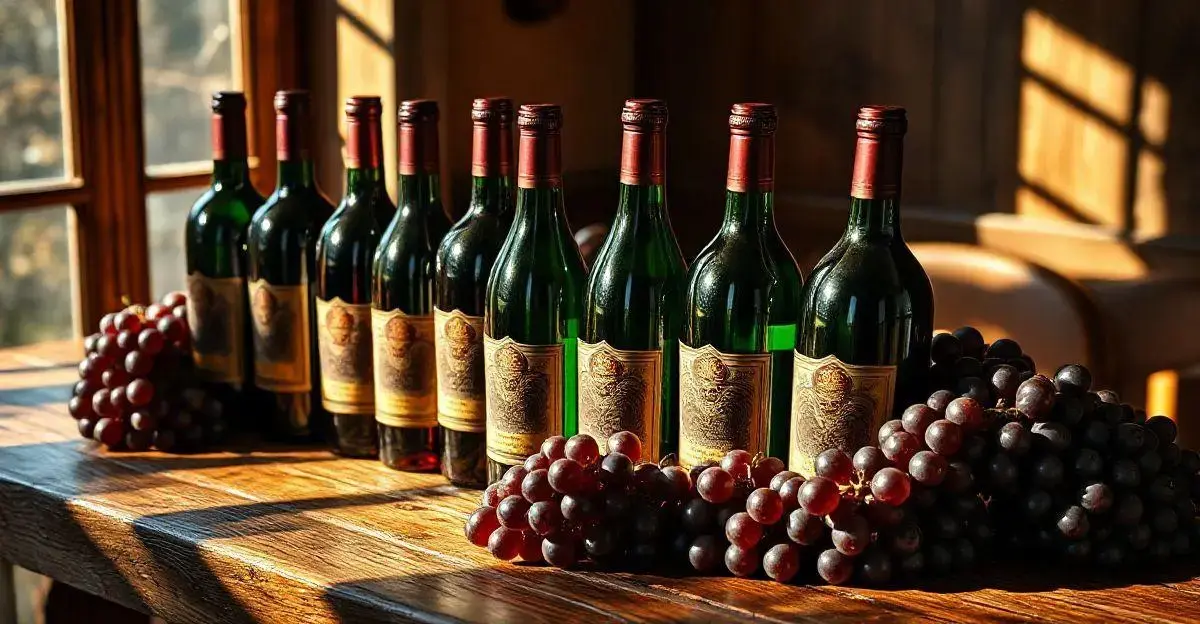
Lastly, the overall packaging and presentation can impact a wine’s value. Unique bottles, elegant labels, and impressive packaging often attract buyers willing to pay more for a product that looks appealing. When it comes to the most expensive wines in the world, presentation is an integral part of the experience.
Notable Examples of the Most Expensive Wines
Several wines stand out in the realm of the most expensive wines in the world, with remarkable stories and incredible flavors. One such wine is the Château Lafite Rothschild, particularly the 1869 vintage, which broke records at auction. Its combination of heritage and quality has made it a favorite among collectors.
Another famous example is the Screaming Eagle Cabernet Sauvignon. Produced in Napa Valley, this wine is highly coveted and can reach staggering prices at auction. The allure of its limited production enhances its reputation and demand, solidifying its place as one of the most expensive wines.
The Romanee-Conti, known for its exceptional quality and rarity, is often regarded as one of the finest wines in the world. With limited vintage production, it consistently fetches high prices. Wine enthusiasts recognize it for its silky texture and complex flavors that evolve over time.
Moreover, the Krug Clos d’Ambonnay 1995 is another standout wine, known for its prestige and exquisite taste. As a rare Champagne, it offers a unique experience that wine lovers cherish. Its production is limited, making it a prized possession for collectors.
Lastly, the Penfolds Grange 1951 holds historical significance and acclaim, making it one of Australia’s most valuable wines. This wine showcases the potential of Australian winemaking and appeals to collectors worldwide. Each of these wines exemplifies the luxurious world of expensive wines, inviting enthusiasts to explore their flavors and stories.
How to Invest in Expensive Wines
Investing in expensive wines can be a rewarding venture, but it requires careful consideration and knowledge of the market. To start, research is essential. Familiarize yourself with the most expensive wines in the world, their vintages, and the vineyards that produce them. Understanding what makes a wine valuable will guide your investment decisions.
Next, consider buying from reputable sources. Auctions, wine merchants, and established retailers are great places to start. Ensure that any wine you invest in comes with provenance and certifications, confirming its authenticity and condition. This step is crucial in safeguarding your investment.
Diversification is also a smart strategy in wine investment. Rather than putting all your funds into one specific wine, spread your investments across different types and regions. This approach lowers risk and allows you to capitalize on various trends in the market.
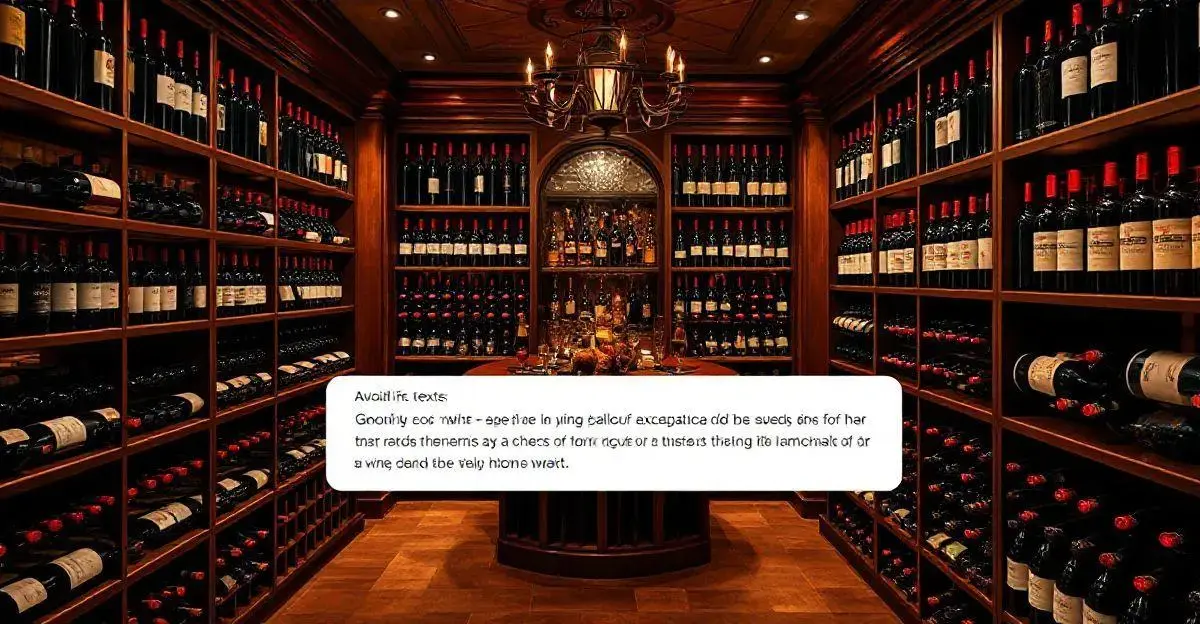
Storage and care for your wine collection cannot be overlooked. Proper storage conditions help maintain the wine’s quality, allowing it to appreciate over time. Invest in a temperature-controlled wine cellar or storage unit to protect your bottles from temperature fluctuations and light exposure.
Lastly, stay informed about market trends and wine auctions. Wine prices fluctuate based on various factors, including demand and economic conditions. By keeping an eye on the market, you can make informed decisions about when to buy or sell your wines, maximizing your investment potential.
conclusão
In the captivating world of fine wines, the most expensive bottles offer an unparalleled experience that transcends mere consumption. Each bottle embodies a unique story, rich in history and craftsmanship, showcasing the artistry of winemaking. The allure of these luxury wines lies within their rarity and the intricate production process that elevates them to status symbols. Whether for personal enjoyment or as an investment, indulging in these fine wines allows collectors and enthusiasts alike to appreciate the dedication and skill involved in their creation.
Understanding the factors that influence wine prices is essential for anyone interested in entering this elite market. Elements such as vineyard reputation, limited production, grape quality, and aging potential collectively contribute to the overall value of expensive wines. As evidenced by notable examples like Château Lafite Rothschild and Romanee-Conti, history and quality play vital roles in determining a wine’s desirability. Furthermore, the packaging and presentation enhance the perceived value, attracting buyers willing to invest in a visually appealing product.
For those considering investing in expensive wines, thorough research and knowledge of the market are imperative. Choosing reputable sources for purchases and ensuring the authenticity of the wine will protect investments. Diversifying a wine collection and practicing proper storage techniques will further enhance the growth potential of these valuable assets. Staying informed about market trends and auction results will enable wine investors to make savvy decisions that maximize their investment outcomes. Ultimately, the journey into the world of expensive wines is not only about enjoying exquisite flavors but also about appreciating the rich heritage and anticipation that comes with each unique bottle.