
Water for fasting is an essential component of many detox and health plans. As more people explore intermittent fasting and other dietary approaches, understanding the role of water becomes crucial. Staying hydrated can help enhance the benefits of fasting, supporting metabolic processes and reducing hunger pangs.
Recent studies highlight that drinking adequate water during fasting not only aids in detoxification but also improves cognitive function and physical performance. Incorporating enough water into your fasting routine can make the experience more manageable and effective. Knowing how much and when to drink is key to maximizing the advantages of fasting while ensuring your body’s hydration needs are met.
Benefits of Water for Fasting
Water is essential for the body, especially during fasting periods. Here are some key benefits of drinking water while fasting:
1. Hydration:
Drinking an adequate amount of water helps keep the body hydrated, which is crucial for overall health and well-being. During fasting, water aids in maintaining the balance of bodily fluids and electrolytes.
2. Detoxification:
Water plays a vital role in flushing out toxins from the body. Fasting combined with proper hydration can support the natural detoxification process and promote cleansing at a cellular level.
3. Improved Digestion:
Staying hydrated during fasting can help prevent digestive issues such as constipation. Water supports the digestive system in breaking down food and absorbing nutrients effectively.
4. Satiety:
Drinking water can help curb hunger cravings during fasting periods. Often, thirst is mistaken for hunger, and staying hydrated can reduce the urge to consume unnecessary calories.
5. Enhanced Focus and Energy:
Proper hydration is linked to better cognitive function and increased energy levels. Drinking water can help combat fatigue and keep you mentally sharp throughout your fasting journey.
How Much Water Should You Drink While Fasting
It’s important to stay adequately hydrated during fasting, but how much water should you drink? Here’s a simple guide to help you determine your water intake:
1. Calculate Your Daily Water Needs:
As a general rule, aim to drink at least 8-10 glasses of water per day. However, factors such as weight, activity level, and climate can affect your hydration requirements.
2. Adjust for Fasting Periods:
During fasting, you may need to increase your water intake to compensate for the lack of fluid consumption from food. Consider adding an extra 2-3 glasses of water to your daily goal.
3. Listen to Your Body:
Pay attention to signs of dehydration such as dry mouth, dark urine, or fatigue. Adjust your water intake accordingly and ensure that you’re meeting your body’s hydration needs.
4. Carry a Water Bottle:
Keeping a water bottle handy can help you track your water intake throughout the day. Opt for a reusable bottle and refill it regularly to stay hydrated while fasting.
5. Consult a Healthcare Professional:
If you have specific health conditions or concerns, consult a healthcare provider to determine the ideal amount of water to drink during fasting for your individual needs.
Tips for Staying Hydrated During Your Fasting Journey
Staying hydrated is key to a successful fasting journey. Here are some tips to help you maintain optimal hydration levels:
1. Drink Water Regularly:
Set reminders or establish a routine to ensure that you’re drinking water consistently throughout the day. Sipping water steadily can help prevent dehydration.
2. Include Electrolytes:
Electrolytes play a crucial role in hydration. Consider adding electrolyte-rich beverages or supplements to your water to replenish essential minerals lost during fasting.
3. Hydrate Before and After Meals:
Consume water before and after your meals to aid digestion and ensure proper hydration. Avoid drinking large amounts of water during meal times, as it may interfere with digestion.
4. Opt for Herbal Teas or Infused Water:
Herbal teas and fruit-infused water can add flavor to your hydration routine. Experiment with different combinations to keep your taste buds satisfied while staying hydrated.
5. Monitor Your Urine Color:
Check the color of your urine as a simple indicator of hydration levels. Aim for pale yellow urine, indicating adequate hydration, and adjust your water intake if needed.
**The Most Expensive Wines in the World: An Overview**
The Most Expensive Wines in the World: An Overview
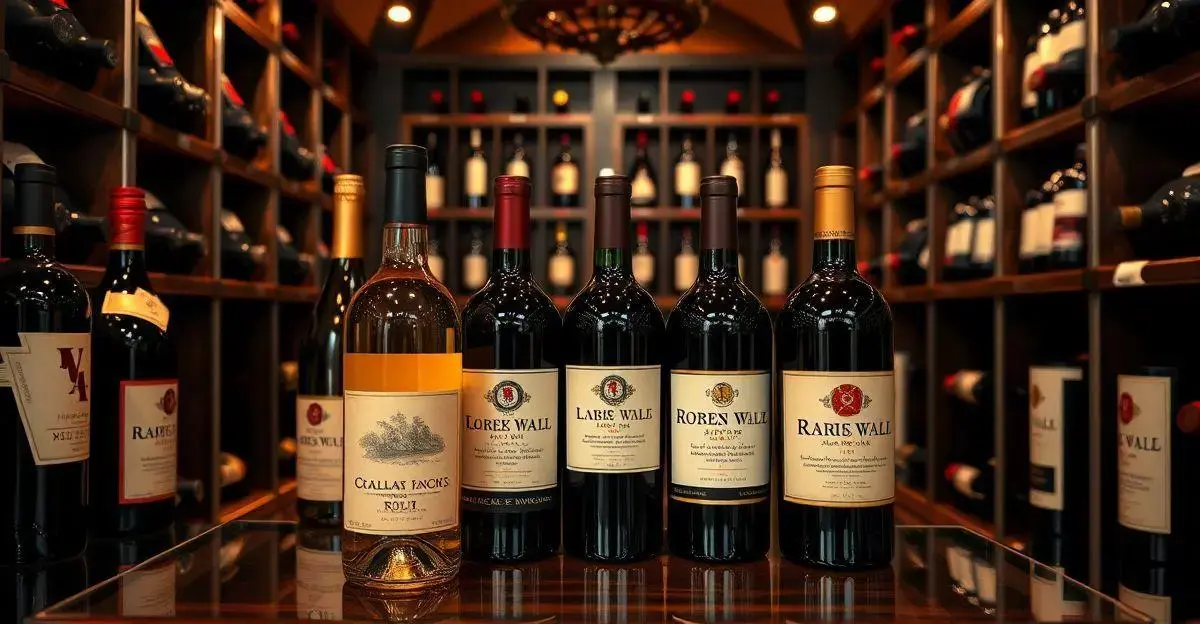
The world of wine is vast and varied, filled with options that range from everyday selections to prestigious bottles that can cost a fortune. When we talk about the “most expensive wines in the world,” we often refer to those rare vintages that are sought after by collectors and connoisseurs alike. These wines usually come from renowned vineyards, have ideal growing conditions, and are produced in limited quantities.
One key factor that contributes to the high price of these wines is their origin. Many of the most expensive wines in the world hail from famous regions like Bordeaux, Burgundy, and Napa Valley. The terroir— the environment in which the grapes are grown— plays a significant role in the wine’s quality and, therefore, its cost. Additionally, the reputation of the winery itself can drive prices higher, as consumers are often willing to pay a premium for a product that is associated with excellence.
Another critical aspect is the aging process. The best wines often require years, if not decades, of aging before they reach their peak. This long maturation process not only enhances the flavor profile but also increases the rarity of the bottles available for purchase. As a result, many investors buy these wines as a form of investment, further driving up the prices.
Moreover, the demand for high-quality wines is continually increasing, particularly among affluent individuals and collectors. Special events, auctions, and even celebrity endorsements can significantly raise a wine’s market price. This has led to some bottles fetching staggering amounts at auctions, sometimes going for tens or even hundreds of thousands of dollars.
In summary, the world of costly wines is complex and multifaceted. Numerous variables affect their prices, from origin and aging to demand and market trends. The most expensive wines in the world not only represent luxury but also a commitment to quality and craftsmanship that is truly unmatched.
**Factors Influencing the Price of Luxurious Wines**
Factors Influencing the Price of Luxurious Wines
Understanding why certain wines are classified as the “most expensive wines in the world” requires an exploration of several influencing factors. First and foremost is the grape variety used in production. Rare grape types can drive the price of a wine significantly higher, especially if they are cultivated in limited quantities. For instance, wines made from the Cabernet Sauvignon grape from esteemed regions are often among the priciest.
The aging potential of the wine also plays a vital role in pricing. Most expensive wines are not merely delicious; they also have the capacity to develop complexity and depth over time. Bottles that can age gracefully are more prized, whether that’s due to chemical composition or the integrity of the vineyard’s production methods. The ability to store wine for years without degradation adds significant value.
A winery’s historic significance can also elevate its wines to a luxurious status. Many of the top producers have long histories that add to the mystique and allure of their products. Collectors and buyers often gravitate toward bottles associated with notable events, famous individuals, or exceptional vintage years, further pushing their prices up.
Market demand cannot be underestimated either. With the rise of global wealth, more individuals are looking to invest in premium wines. Auction houses frequently report record sales when it comes to the most expensive wines in the world, demonstrating both the allure and the investment potential of these beverages. The competition among buyers creates a bidding frenzy that can drive prices well over estimates.
Lastly, the packaging and presentation can influence a luxury wine’s status. Many high-end producers focus on the aesthetic appeal of their bottles. Label design, packaging material, and even special limited editions can attract collectors and enthusiasts. So, while the contents of the bottle are paramount, the visual elements can also make a significant impact on its overall value.
**Notable Examples of Expensive Wines in History**
Notable Examples of Expensive Wines in History
When it comes to the most expensive wines in the world, a few remarkable examples stand out in wine history. One of them is the Screaming Eagle Cabernet Sauvignon from Napa Valley, which has fetched prices exceeding $500,000 at auction. This cult wine is known for its limited production and exceptional quality, making every bottle a prized possession for collectors.
Another noteworthy example is the Château Lafite Rothschild from Bordeaux. Esteemed throughout centuries, certain vintages of this legendary wine have sold for over $200,000. Its long-standing reputation for excellence and aging potential solidify its status among the most expensive wines in the world.
The 1945 Romanée-Conti, considered by many to be the pinnacle of wine-making, also deserves mention. With only 600 bottles produced, this wine’s history, coupled with its quality, has made it an extremely coveted item. It has been sold for as much as $558,000 a bottle, underscoring the extraordinary market for top-tier wines.
Even within the realm of sparkling wines, Dom Pérignon has made its mark. The 1921 vintage is particularly famous and can command prices well over $40,000. Its exquisite flavor and the brand’s luxury association play significant roles in maintaining its high market value.
Lastly, the price of wine is not always determined solely by rarity or winemaking excellence. Occasionally, unique circumstances surrounding a specific bottle can skyrocket its value. For example, the infamous 1787 Château Lafite Bordeaux, which allegedly belonged to Thomas Jefferson, sold for a staggering $156,000 at auction, showcasing how history can intertwine with luxury wine pricing.
**The Role of Auction Houses in Wine Valuation**
The Role of Auction Houses in Wine Valuation
Auction houses play an essential role in determining the market value of the most expensive wines in the world. They serve as platforms where rare and luxurious wines are exposed to a global audience of collectors, investors, and enthusiasts. This competitive environment can significantly influence the final selling price of a wine bottle, often pushing it to levels far beyond expectations.
One of the primary ways auction houses add value is through their reputation and credibility. Established auction houses that specialize in wine, such as Sotheby’s and Christie’s, have garnered a trusted status over the years. When a bottle is sold through these prestigious institutions, buyers are often willing to pay more due to the assurance that they are obtaining a genuine and high-quality product.
Additionally, auction houses often have experts who evaluate wines and curate collections for sale. These experts have extensive knowledge and can offer insights into a wine’s provenance, age, and overall quality—factors that can sway potential buyers when determining how much they are willing to spend. Their evaluations help potential buyers and collectors understand what they can expect regarding value and quality.
The high-stakes environment of wine auctions creates a sense of urgency and competitiveness. Bidders frequently feel a need to purchase a bottle when they see it as a prized opportunity. This competitive spirit can trigger price wars, leading to astonishing sales figures that demonstrate the high demand for the most expensive wines.
Consequently, auction houses have a profound impact on the pricing dynamics of the luxury wine market. They not only facilitate transactions but also help shape the perceived value of wines, contributing to a culture of investment and exclusivity surrounding the world’s finest offerings.
**Investment Potential of High-End Wines**
Investment Potential of High-End Wines
The most expensive wines in the world are increasingly being recognized as viable investment options. Just like fine art and rare collectibles, premium wines can appreciate significantly over time, making them a worthwhile addition to any investment portfolio. The intrinsic value of these wines often lies in their rarity, quality, and the conditions under which they are produced.
One primary reason the investment potential of fine wines is rising is the historical appreciation they have demonstrated. Over the decades, numerous wines have shown consistent increases in value, often outperforming traditional investment vehicles like stocks and bonds. Investors are eager to participate in this lucrative market, particularly when rare vintages become available.
The solid demand for high-end wines also contributes to their investment potential. With more people recognizing the value of investing in the luxury wine market, the competition for rare bottles becomes fierce. This demand can drive auction prices significantly high, especially for well-preserved bottles from respected wineries.
Proper storage conditions are critical when it comes to wine investment. Unlike stock investments, wine requires specific environmental conditions to maintain its quality and longevity. Investors must ensure that their collections are stored in appropriate humidity and temperature-controlled environments, which can require additional investment but is ultimately essential for preserving value.
Moreover, entering the world of luxury wine investments requires knowledge and education. Understanding vintage years, grape varieties, and the reputation of producers can aid investors in making informed decisions. Wine investment funds have also emerged, allowing investors to pool resources and gain access to expert advice, further streamlining the process.
conclusão
In conclusion, the world of expensive wines is as fascinating as it is intricate. Understanding what drives the high prices of these luxurious beverages reveals a tapestry of factors, including the wine’s origin, grape variety, and the aging process involved in its production. Renowned regions like Bordeaux and Napa Valley have established their worth in part due to their ideal conditions for growing premium grapes and the meticulous craftsmanship behind each bottle. Collectors and enthusiasts alike recognize that a fine wine is not just a drink; it is a celebration of art, history, and nature working in harmony.
Moreover, the role of auction houses in wine valuation cannot be overstated. These institutions connect eager buyers with rare bottles, often driving prices to unprecedented heights. The competitive atmosphere of auctions fosters an environment where passionate collectors are willing to pay exorbitant amounts for wines that have remarkable histories or unique characteristics. The market dynamics illustrated through auctions hint at the growing demand for investment-grade wines, where individuals perceive luxury wines as assets that may swell in value over time.
Ultimately, the investment potential of high-end wines is becoming increasingly appealing. As more individuals recognize the financial opportunities available in this market, the landscape is rapidly evolving. High-quality wines not only represent luxury but also an opportunity to build wealth over time. With proper storage and education on wine characteristics, investors can navigate this complex world effectively. The exquisite taste and craftsmanship found in the most expensive wines are truly unrivaled, making them an enduring treasure for enthusiasts and investors alike.