

Understanding the Causes of a Rotten Tooth
A rotten tooth, also known as a carious tooth, is primarily caused by poor oral hygiene practices that lead to the accumulation of plaque and bacteria on the teeth. When food particles and sugars are not adequately removed from the teeth through regular brushing and flossing, they can mix with the bacteria in the mouth to form acids that erode the enamel, leading to decay.
To understand the causes of a rotten tooth, it’s essential to recognize the role of sugary and acidic foods in promoting tooth decay. Consuming a diet high in sugary snacks, carbonated beverages, and acidic fruits can contribute to the development of cavities. Additionally, factors such as dry mouth, decreased saliva production, and certain medications can also increase the risk of tooth decay.
To prevent the onset of a rotten tooth, individuals should practice good oral hygiene by brushing their teeth at least twice a day with fluoride toothpaste, flossing daily, and visiting the dentist regularly for check-ups and cleanings. Using fluoride mouthwash can also help strengthen the enamel and reduce the risk of cavities.
Furthermore, maintaining a balanced diet that is low in sugar and acid, and high in calcium-rich foods can support overall dental health. Limiting snacking between meals and avoiding tobacco products can also play a significant role in preventing tooth decay and the need for extensive dental treatment.
By understanding and addressing the root causes of a rotten tooth, individuals can take proactive steps to preserve their oral health and prevent the development of painful cavities.
Identifying Symptoms and When to Seek Help
Recognizing the symptoms of a rotten tooth is crucial for timely intervention and treatment. Common signs of tooth decay include toothache, sensitivity to hot or cold temperatures, visible holes or pits in the teeth, and staining or discoloration on the enamel.
When experiencing any of these symptoms, it is essential to seek help from a dental professional to assess the extent of the decay and recommend appropriate treatment. Delaying treatment for a rotten tooth can lead to complications such as infection, abscess, or even tooth loss.
To identify symptoms of a rotten tooth, individuals can perform a self-check by looking for visible signs of decay, such as dark spots or pits on the teeth, and noting any pain or sensitivity while eating or drinking. Using a dental mirror can help examine hard-to-see areas in the mouth for early signs of decay.
Online resources such as the American Dental Association website offer valuable information on common dental problems, including symptoms of tooth decay and when to seek professional help. Additionally, dental health apps like Brush DJ can remind users to brush their teeth regularly and provide tips on maintaining good oral hygiene practices.
By being proactive in identifying symptoms of a rotten tooth and seeking timely dental care, individuals can prevent further damage to the teeth and maintain optimal oral health.
Preventive Measures for Maintaining Healthy Teeth
Preventive measures play a crucial role in maintaining healthy teeth and preventing the development of a rotten tooth. Establishing a solid oral hygiene routine is key to keeping the teeth free from plaque, bacteria, and decay-causing acids.
To maintain healthy teeth, individuals should brush their teeth at least twice a day for two minutes each time using a fluoride toothpaste. Flossing daily to remove food particles and plaque from between the teeth and along the gum line is also essential for preventing cavities and gum disease.
In addition to regular brushing and flossing, using a mouthwash that contains fluoride can help strengthen the enamel and reduce the risk of tooth decay. Mouthwashes with antibacterial properties can also help kill harmful bacteria in the mouth and freshen breath.
Visiting the dentist for biannual check-ups and professional cleanings is another vital preventive measure for maintaining healthy teeth. During these visits, the dentist can identify early signs of decay, remove hardened plaque (tartar), and provide personalized recommendations for improving oral health.
Online platforms like the Colgate Oral Care Center offer resources on preventive dental care, including tips on proper brushing and flossing techniques. Additionally, dental health apps such as Oral-B can track brushing habits, provide oral hygiene tips, and send reminders for dental appointments.
By following preventive measures and incorporating good oral hygiene habits into daily routines, individuals can safeguard their teeth against decay and ensure long-term dental health.
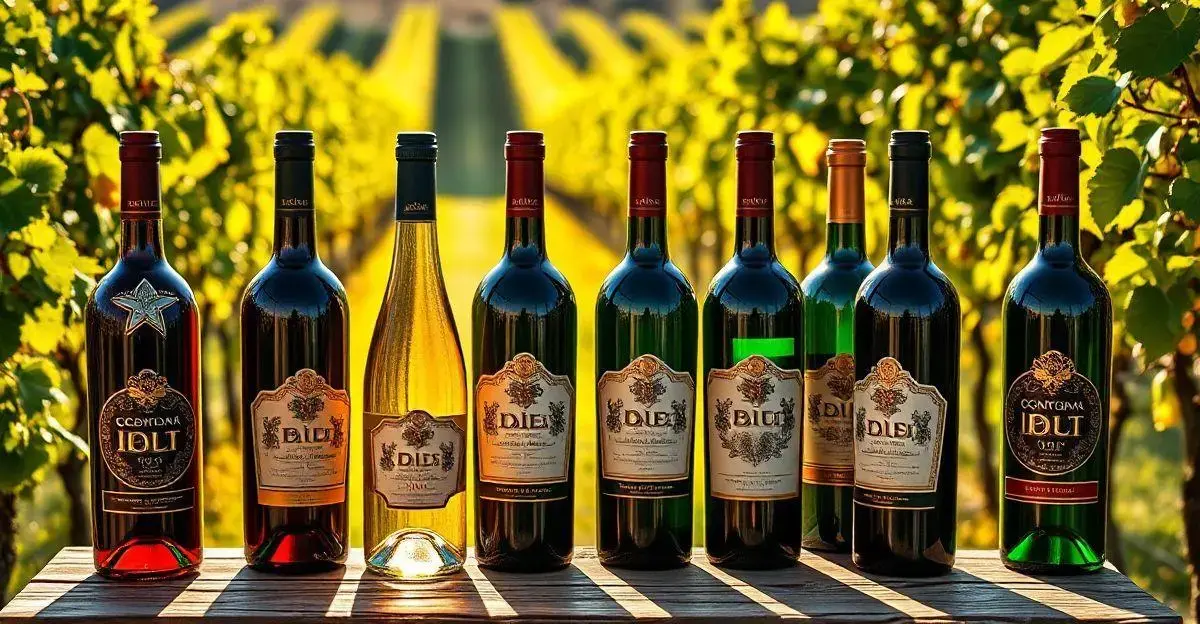
Introduction to the World’s Most Expensive Wines
The world of fine wines is vast and varied, with some bottles commanding prices that can astonish even seasoned collectors. When we refer to “the world’s most expensive wines,” we are not just talking about price tags but also about the craftsmanship, history, and exclusivity behind each bottle. These wines are often products of meticulous processes and rare grape varieties, making them the epitome of luxury in the beverage industry.
Understanding what elevates a wine’s price to extravagant levels involves examining several factors. terroir, production methods, and even the wine’s age play crucial roles. Rare vintages often become part of exclusive auctions, driving prices even higher due to limited availability. Moreover, the winemakers behind these prestigious wines can impact the pricing, as famous names like Château Lafite Rothschild can command sky-high figures simply based on their reputation.
As we delve deeper, it’s important to explore not just the price but the stories behind these exceptional wines. Each bottle has its narrative, from its origin to its journey to the auction house. These wines are more than just a drink; they are a quintessential part of culture and luxury, symbolizing success and fine living.
For enthusiasts and collectors, the allure of owning a bottle from a celebrated winery or vintage year can be irresistible. However, with this high price comes the necessity for proper storage and maintenance, as the right conditions can dramatically affect the wine over time. This article will take you through some of the most expensive wines in the world, why they command such prices, and how to appreciate them.
As we uncover this world, it’s essential to keep in mind both the joy and the investment potential that rare wines hold. In many cases, these bottles can increase in value over time, making them a savvy purchase for those who do their research. Let us embark on this journey to explore the most expensive wines known to humanity.
Factors Influencing Wine Pricing
When we talk about the “world’s most expensive wines,” we must consider the determinants that push these wines into an elite price bracket. The first factor is the quality of the grapes used, which significantly influences the resulting flavor profile and complexity. Regions known for their superior viticulture, such as Bordeaux or Napa Valley, typically produce grapes that yield more expensive wines.
Next in line is the process of wine-making, which can vary from traditional methods to avant-garde techniques. Wines that undergo precise fermentation, aging in oak barrels, and careful blending often reach higher prices due to the expertise required. For example, some of Bordeaux’s finest wines may be aged for decades before release, increasing their price due to rarity.
Another significant factor is the vintage. Certain years are heralded as exceptional for wine production, where climate conditions lead to a bumper crop of high-quality grapes. Collectors often seek out these specific vintages, leading to sky-high auction prices. This scarcity principle drives the value, as fewer bottles become available over time.
The provenance and history of the wine also play a pivotal role. Wine with a notable history, perhaps linked to significant events or famed personalities, can see its value skyrocket. Provenance assures buyers of the wine’s authenticity and quality, making it a critical factor in high-end purchases.
Branding cannot be overlooked either. Well-known wineries invest in their reputation, creating wines that are not just drinks but status symbols. The desire for a sought-after label can maneuver prices upward, sometimes irrespective of the wine’s true quality. Thus, understanding these determinants is crucial for anyone interested in entering the world of fine wines.
Top Examples of the Most Expensive Wines
Now that we have a solid grasp of the factors influencing wine pricing, let’s dive into some specific examples of the world’s most expensive wines. One of the most iconic names in this realm is the Domaine de la Romanée-Conti, often abbreviated as DRC. Their wines can fetch prices as high as $600,000 per bottle in rare auctions, making them a prized possession for collectors. The small production volume of DRC wines contributes to its high price tag significantly.
Another standout is the Screaming Eagle Cabernet Sauvignon, which has been known to sell for upwards of $3,000 per bottle. Its cult status in the Napa Valley region, coupled with the limited yield, makes this wine a sought-after item. The combination of terroir and expert craftsmanship leads to some of the most exquisite flavors that wine connoisseurs cherish.
Astonishingly, the Cheval Blanc 1947 holds the record for being sold at auction for approximately $304,375. This Bordeaux vintage won over many hearts and palates, hence the staggering price. The rarity and impeccable reputation of Cheval Blanc only augment the allure of this wine.
Moving into the realm of champagne, we cannot ignore the famous Shipwrecked 1907 Heidsieck Champagne, priced at around $275,000 per bottle. The unique story of its recovery from a sunken ship adds depth to its desirability and making it one of the most coveted wines in the world.
These examples highlight that the “world’s most expensive wines” not only have impressive price points but are also rich in history, craftsmanship, and uniqueness. Exploring these bottles can serve as inspiration for both seasoned collectors and those new to the world of fine wines.
How to Properly Store Expensive Wines
Next, consider the humidity level. An ideal humidity range is around 60-70%, which keeps corks from drying out and allows a proper seal against oxygen. Too much humidity isn’t good either, as it can lead to mold growth. Therefore, monitoring humidity with a hygrometer becomes an essential step.
Light exposure is another critical factor. UV lights can degrade wine and cause it to age prematurely. In a perfect scenario, wines should be stored in a dark place or within opaque containers to shield them from light exposure. If using a wine fridge or cellar, it’s wise to ensure these conditions are met.
The method of storage also matters. Bottles should be laid horizontally, allowing the wine to keep the cork moist. This prevents the cork from drying out, which can lead to oxidation. Using wooden racks provides just the right balance of air circulation and stability.
Lastly, avoid vibrations as they can disturb sediments within the wine and affect its maturation process. Investing in a good wine rack or a cellar designed for wine storage can help maintain a stable environment for your expensive wines. Following these steps can greatly enhance the pleasure of owning some of the most costly wines ever produced.
Investing in Expensive Wines
Investing in the “world’s most expensive wines” offers a unique blend of passion and potential financial gain. Many collectors view fine wines not just as beverages but as assets that can appreciate over time. Like other financial investments, certain strategies can help ensure you make sound decisions. Firstly, research is paramount. Understanding the market trends, popular regions, and vintages will empower you to make informed choices.
Next, forge relationships with reputable wine merchants and auction houses. These connections can provide insider knowledge on emerging trends, potential investments, and even access to offers not available to the general public. Networking with fellow wine enthusiasts may also bring opportunities for private sales or trades.
When selecting wines for investment purposes, focus on a limited number of brands and top-rated wineries. Wines that possess a storied reputation and consistent quality often yield better returns. Limited production numbers are also key; the scarcer the bottle, the higher its likelihood of increasing value over time.
Moreover, consider diversifying your collection. Much like stock market investments, spreading your finds across different varietals, regions, and price points can buffer against market fluctuations. Specializing in high-end wines allows you to enjoy your collection while you wait for it to grow in value.
Lastly, always keep track of your investment’s conditions, including provenance and storage methods. Documentation can add value to your wine and ensure it remains in pristine condition over time. Engaging in the world of expensive wines isn’t just an indulgent hobby; it can be a savvy investment opportunity.
conclusão
Exploring the world of the most expensive wines reveals a captivating blend of artistry, history, and investment potential. Each bottle is a testament to the meticulous care and dedication that goes into its production, representing the pinnacle of winemaking sophistication. From rare vintages to esteemed vineyards, understanding the factors that influence wine pricing enhances our appreciation for these exceptional products. Quality grapes, unique terroirs, and the artistry of master winemakers all play pivotal roles in elevating a wine’s value beyond mere dollars and cents.
As we discussed, factors such as vintage rarity, provenance, and branding contribute significantly to the allure surrounding the most expensive wines. Investing in these bottles is not simply about acquiring an exquisite drink; it is about owning a piece of history and culture that carries significance. The stories behind iconic wines, like the Domaine de la Romanée-Conti and Shipwrecked 1907 Heidsieck Champagne, add a depth that cannot be ignored. Proper storage is also vital for preserving the integrity and taste of valuable bottles, making every detail critical for collectors and enthusiasts alike.
In conclusion, whether you seek to indulge in the world of high-end wines for personal enjoyment or are interested in wine as an investment vehicle, knowledge is key. Researching market trends, building relationships in the wine community, and practicing smart storage techniques can lead to a rewarding experience in this intriguing field. Ultimately, the world of the most expensive wines offers something for everyone, combining passion and financial opportunities like no other. We invite you to explore further and discover the perfect bottles that resonate with your interests and aspirations.