
Tooth decay is a common dental problem that can affect anyone, regardless of age. Understanding how tooth decay occurs can help in preventing it, which is crucial for maintaining good oral health. In recent years, studies have shown that nearly 92% of adults have experienced cavities at some point in their lives, emphasizing the importance of learning effective prevention techniques.
Prevention strategies include maintaining a balanced diet, practicing good oral hygiene, and regular dental check-ups. By making small changes in daily habits, individuals can significantly reduce their risk of developing cavities. It’s time to take charge of your oral health and learn the best ways to combat tooth decay.
Understanding Tooth Decay and Its Causes
Tooth decay, also known as dental caries, is a common dental issue that occurs when bacteria in the mouth produce acids that attack the enamel of the teeth. This can lead to cavities and, if left untreated, more severe oral health problems. Understanding the causes of tooth decay is crucial in preventing it. Here are some key factors that contribute to tooth decay:
Poor Oral Hygiene
One of the primary causes of tooth decay is poor oral hygiene. Not brushing and flossing regularly allows plaque to build up on the teeth, providing a breeding ground for bacteria that cause decay. To prevent tooth decay, it is essential to brush your teeth twice a day with fluoride toothpaste and floss daily to remove plaque and food particles.
High Sugar and Starch Intake
Consuming foods and beverages high in sugar and starch can increase the risk of tooth decay. Sugary and starchy substances feed the bacteria in the mouth, leading to the production of harmful acids. Limiting the intake of sugary snacks and drinks can help prevent tooth decay. Opt for healthier snacks like fruits and vegetables instead.
Lack of Fluoride
Fluoride is a mineral that helps strengthen tooth enamel and make it more resistant to acid attacks. A lack of fluoride in the water supply or dental products can increase the risk of tooth decay. To ensure adequate fluoride protection, consider using fluoride toothpaste and mouthwash, or ask your dentist about fluoride treatments.
Infrequent Dental Check-ups
Regular dental check-ups are essential for detecting and preventing tooth decay. Dentists can identify early signs of decay and provide treatments like dental cleanings and sealants to protect the teeth. Make sure to schedule dental appointments at least twice a year to maintain good oral health and prevent tooth decay.
Genetic Factors
Genetics can also play a role in predisposing some individuals to tooth decay. Some people may have naturally weaker enamel or a higher susceptibility to cavities due to genetic factors. While genetics cannot be changed, practicing good oral hygiene and visiting the dentist regularly can help mitigate the effects of genetic predispositions to tooth decay.
Effective Oral Hygiene Practices for Prevention
Preventing tooth decay starts with maintaining effective oral hygiene practices on a daily basis. By following these steps, you can reduce your risk of developing cavities and other dental problems:
Brushing and Flossing
Brush your teeth at least twice a day for two minutes each time using a fluoride toothpaste. Remember to also floss daily to remove plaque and food debris from between the teeth.
Using Mouthwash
Incorporate a fluoride or antiseptic mouthwash into your oral hygiene routine to help kill bacteria and strengthen enamel.
Eating a Balanced Diet
Include plenty of fruits, vegetables, and dairy products in your diet for essential nutrients that promote oral health. Limit sugary and acidic foods that can contribute to tooth decay.
Drinking Water
Drink plenty of water throughout the day, especially after meals, to help wash away food particles and neutralize acids in the mouth.
Regular Dental Visits
Visit your dentist for check-ups and cleanings at least every six months to detect and address any potential dental issues early on.
The Role of Diet in Preventing Tooth Decay
Your diet plays a significant role in preventing tooth decay by providing essential nutrients that support oral health and reducing the intake of harmful substances that contribute to decay. Consider the following dietary tips to help prevent tooth decay:
Calcium-Rich Foods
Include dairy products like milk, cheese, and yogurt in your diet to benefit from calcium, which helps strengthen tooth enamel.
Fiber-Rich Foods
Consume fiber-rich foods like fruits, vegetables, and whole grains to promote saliva production and scrub away plaque from the teeth.
Vitamin C Sources
Eat foods high in vitamin C, such as citrus fruits and leafy greens, to support gum health and prevent gum disease, which can contribute to tooth decay.
Limit Sugary Snacks
Avoid frequent consumption of sugary snacks and drinks that feed bacteria in the mouth and lead to acid production. Opt for healthier alternatives like nuts, seeds, or sugar-free snacks.
Stay Hydrated
Drink water throughout the day to maintain saliva production, which helps neutralize acids in the mouth and wash away food particles that can contribute to decay.
**Understanding the Most Expensive Wines in the World**
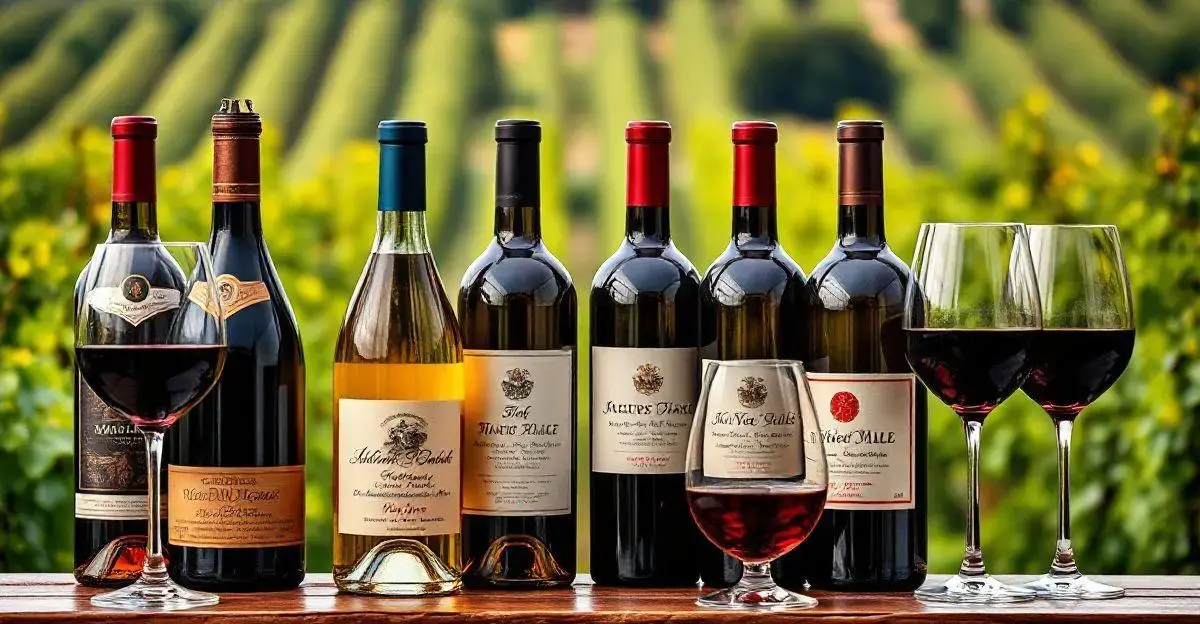
The world of wine is vast and intricate, with a plethora of options available for enthusiasts and collectors alike. However, among the countless varieties, some wines stand out due to their rarity, quality, and, most significantly, their price. The most expensive wines in the world are often shrouded in mystery, blending rich histories, unique production methods, and limited availability. This creates an allure that captivates wine lovers and collectors around the globe.
Many factors contribute to the extravagant pricing of these wines. For instance, the vineyard’s location plays a pivotal role. Certain regions are known for their exceptional terroir, which influences the taste and quality of the grapes. This, combined with the expertise of the winemaker, can lead to the creation of wines that are not only costly but also of remarkable quality.
Collectors are often drawn to the prestige associated with owning the most expensive wines in the world. These wines are sometimes seen as investments, with values that can appreciate over time. However, it’s essential for buyers to conduct thorough research before making a purchase, as the market can be unpredictable.
In addition, the demand for limited editions and exclusive releases can drive prices even higher. When a winery announces the release of a small batch of a sought-after wine, it can create a frenzy among collectors, further inflating the price. Understanding market trends and the provenance of a wine is crucial for anyone looking to invest in this high-stakes wine market.
Finally, tasting and experiencing these wines can be life-changing for many. The flavor profile of the most expensive wines in the world can be unparalleled. These wines are often aged for several years, allowing complex flavors and aromas to develop. For any wine enthusiast, the opportunity to savor such a wine is one filled with excitement.
**Top 5 Most Expensive Wines and Their Unique Characteristics**
Researching the most expensive wines in the world leads us to some remarkable examples, each with its own unique story and characteristics. These wines not only showcase exceptional winemaking but also come with impressive price tags that reflect their quality. Here’s a closer look at the top five most costly options available.
The first on our list is the well-renowned Screaming Eagle Cabernet Sauvignon, known for its rich, opulent flavors and limited production. This Napa Valley treasure can fetch prices that rise into the tens of thousands. Its exclusivity and the vineyard’s impressive reputation make it a prized possession for collectors.
Next, we delve into the world of Bordeaux with Château Lafitte Rothschild, a wine steeped in history and tradition. This acclaimed wine is known for its smooth tannins and balanced flavor profile. The vintage variations can significantly influence pricing, with some bottles auctioning for astronomical amounts.
Another noteworthy mention is the Domaine de la Romanée-Conti, hailing from Burgundy. This wine is renowned for its intricate and delicate flavor, making it one of the most coveted wines in the world. Its limited yield adds to its allure, and investors are often willing to pay top dollar for even a single bottle.
Last but not least is the 1945 Chateau Mouton Rothschild, a wine that served as inspiration for artists and connoisseurs alike. The combination of a historic vintage and the elegance of its taste ensures that this wine remains a favorite among collectors. Each bottle tells a story of years gone by, making it an extraordinary investment.
**How to Invest in the Most Expensive Wines in the World**
Investing in the most expensive wines in the world requires careful consideration and a strategic approach. First and foremost, it’s essential to educate yourself about the wine market. Understanding vintage variations, regions, and label significance can provide a solid foundation for making informed decisions.
Research is critical. Investigate which wines have historically appreciated in value. Consult reputable wine investment firms and online resources that specialize in wine evaluations. This knowledge will help you identify which wines might be worth considering for your collection.
Once you’ve narrowed down your options, consider how you will acquire these wines. Auctions, wine exchanges, and direct purchases from vineyards are all avenues to explore. Each option has its advantages and disadvantages, and understanding the nuances of each will aid in your decision-making process.
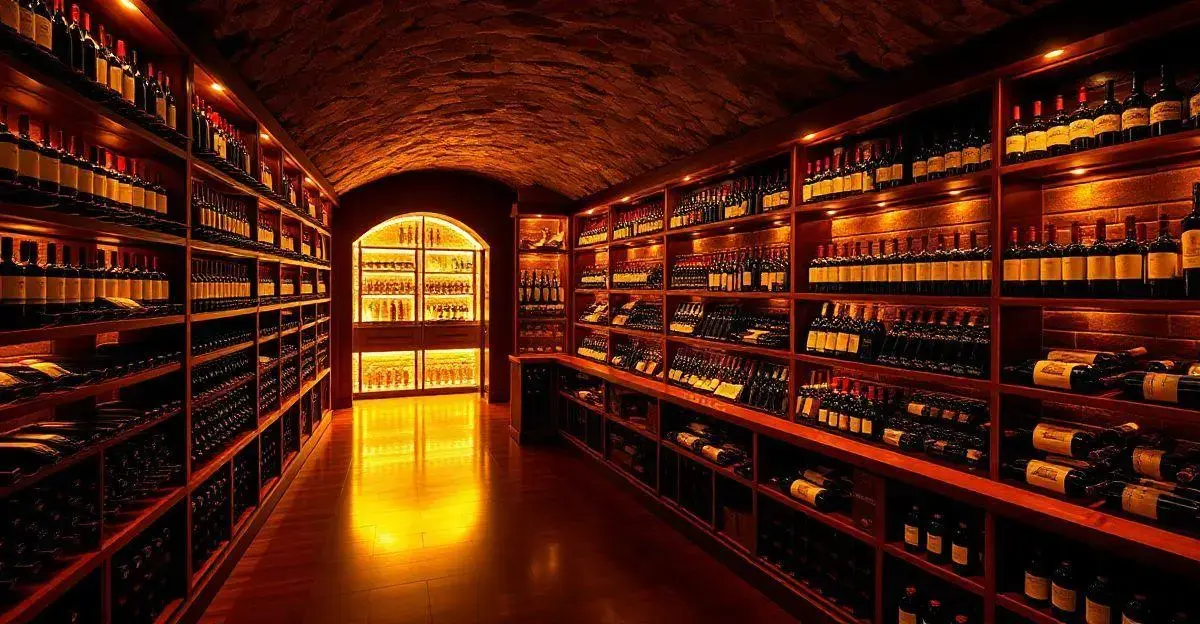
Storage conditions are also a crucial aspect of wine investment. The most expensive wines benefit from optimal storage to maintain their quality. Ensure that you have access to a proper wine cellar or temperature-controlled storage solution before making high-value purchases.
Finally, always be mindful of the risks associated with wine investment. While the potential for profit is enticing, the market can fluctuate, and prices can drop. Having a clear strategy, understanding when to sell, and remaining patient will contribute to your success in investing in the most expensive wines in the world.
conclusão
In conclusion, the world of the most expensive wines is not only captivating but also complex. These wines represent the pinnacle of viticulture, combining exceptional quality, unique characteristics, and rich histories. Understanding what makes certain wines so valuable requires an appreciation for numerous factors, including vineyard locations, production methods, and market trends. For collectors and enthusiasts, the investment potential is significant, but it comes with its own set of challenges.
As discussed, wines like Screaming Eagle and Château Lafitte Rothschild not only offer exquisite tasting experiences but are also symbols of prestige and exclusivity. The limited supply and historical significance behind these wines often drive the prices to astonishing heights. This allure draws in serious collectors who recognize the long-term investment potential of acquiring such treasured bottles. However, it is essential to approach this market with thorough research and a strategic mindset to navigate its unpredictable nature.
Furthermore, aspiring investors must consider the importance of proper storage to maintain the quality of these unique wines. Understanding how to acquire them through auctions or direct purchases is equally important. Balancing the potential rewards against the inherent risks is crucial for anyone looking to dive into this high-stakes niche. Ultimately, whether for personal enjoyment or as a financial investment, engaging with the world of expensive wines can be an enriching and exciting venture.