
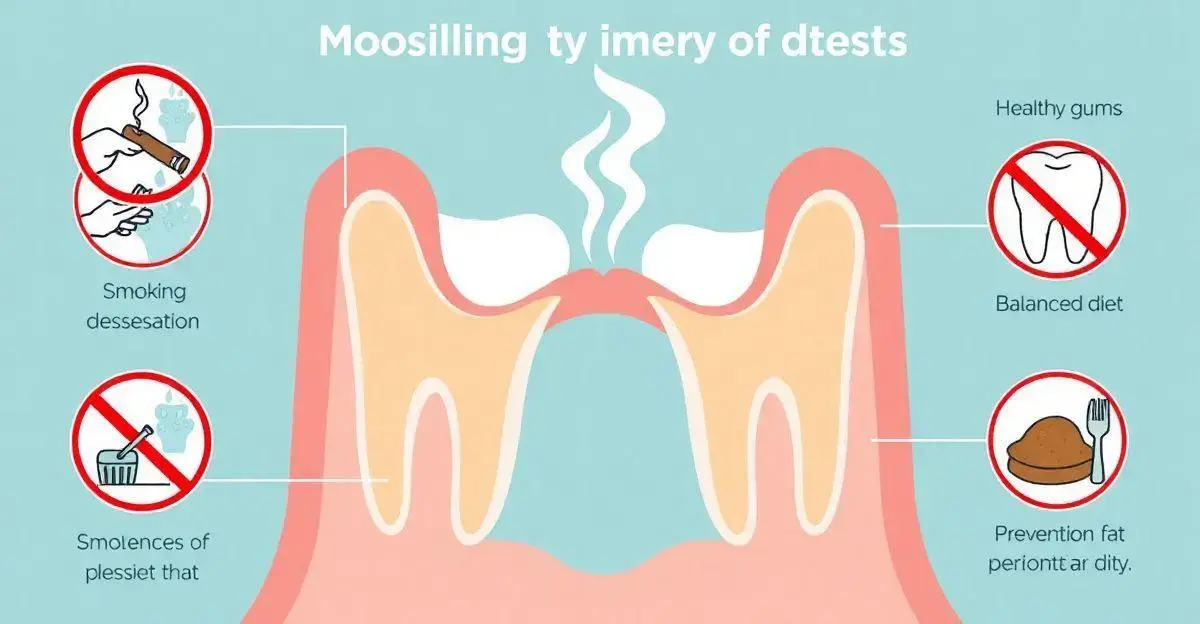
Serious periodontal disease is a growing health concern that affects millions of people worldwide. This advanced gum disease can lead to tooth loss and has been linked to other serious health issues, including cardiovascular disease and diabetes. Recent studies indicate that nearly half of American adults over the age of 30 have some form of periodontal disease, emphasizing the need for increased awareness and preventive measures.
Understanding the causes and symptoms of serious periodontal disease is crucial for effective management and treatment. Factors such as poor oral hygiene, smoking, and genetic predisposition can contribute to its development. By recognizing the risk factors and taking proactive steps, individuals can protect their oral health and overall well-being.
Causes of Serious Periodontal Disease You Need to Know
Periodontal disease is a serious condition that affects the gums and bone that support the teeth. Understanding the causes of this disease is crucial in preventing and managing it effectively. Some of the key causes of serious periodontal disease include:
Poor Oral Hygiene Habits:
One of the primary causes of periodontal disease is poor oral hygiene. Not brushing and flossing regularly allows plaque to build up on the teeth and gums, leading to gum inflammation and eventually periodontal disease. To prevent this, make sure to brush your teeth twice a day and floss daily.
Smoking and Tobacco Use:
Smoking and tobacco use are major risk factors for periodontal disease. The chemicals in tobacco products can damage the gums and affect the healing process, making it easier for bacteria to cause infections. Quitting smoking is essential for preventing and managing periodontal disease.
Poor Nutrition:
A diet high in sugary foods and low in essential nutrients can weaken the immune system and make it harder for the body to fight off infections, including gum disease. Consuming a balanced diet rich in fruits, vegetables, lean proteins, and whole grains can help support gum health and prevent periodontal disease.
Genetic Factors:
Some individuals may be more genetically predisposed to developing periodontal disease. If you have a family history of gum problems, you may be at a higher risk and should take extra precautions to prevent the disease. Regular dental check-ups and cleanings are crucial for early detection and intervention.
Medical Conditions:
Certain medical conditions, such as diabetes, can increase the risk of periodontal disease. Managing these conditions effectively through medication, lifestyle changes, and regular medical care can help reduce the impact on your gum health. Be sure to inform your dentist about any medical conditions you have.
Recognizing the Symptoms of Serious Periodontal Disease
Early detection of periodontal disease is key to preventing further damage and complications. Being able to recognize the symptoms can help you seek timely treatment and manage the condition effectively. Some common symptoms of serious periodontal disease include:
Gum Inflammation:
One of the first signs of periodontal disease is red, swollen gums that may be tender to the touch. If your gums are inflamed and bleed easily, especially when brushing or flossing, it could be a sign of gum disease.
Receding Gums:
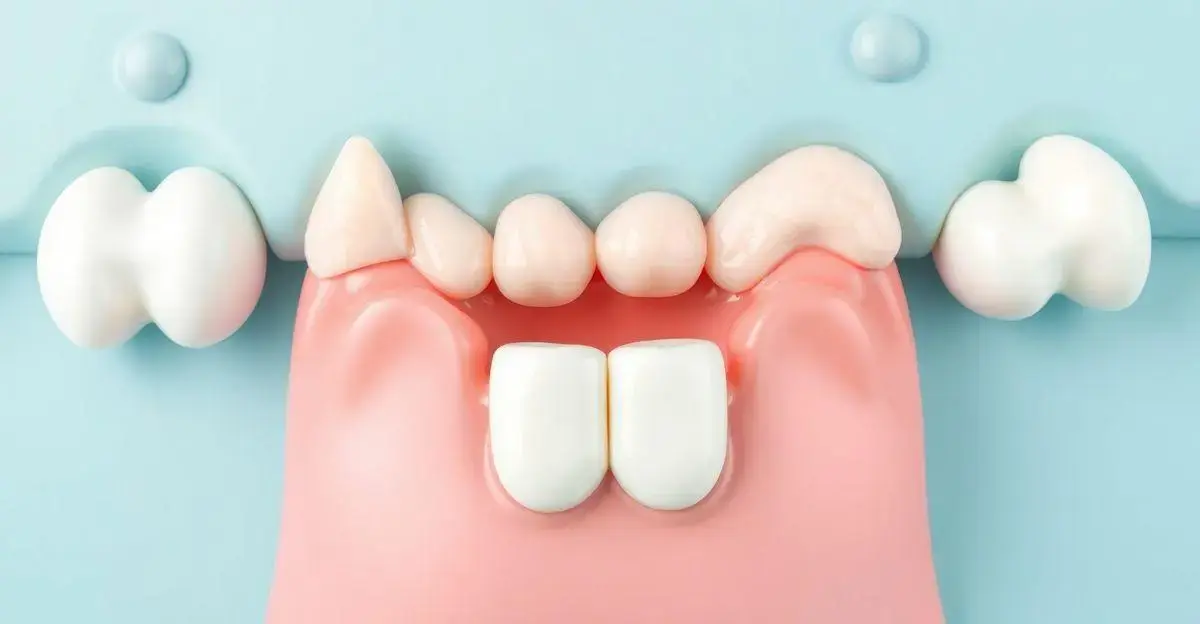
As periodontal disease progresses, the gums may start to pull away from the teeth, leading to gum recession. If you notice that your teeth appear longer than before or if there are gaps between your teeth and gums, it’s important to consult a dentist for evaluation.
Persistent Bad Breath:
Bad breath that doesn’t go away despite regular brushing and flossing can be a sign of underlying gum disease. The bacteria in the mouth that cause gum infections can also produce foul odors, leading to chronic bad breath.
Loose Teeth:
Advanced periodontal disease can cause the bone supporting the teeth to deteriorate, resulting in loose or shifting teeth. If you notice any changes in the alignment or stability of your teeth, it’s important to seek immediate dental attention.
Pain or Discomfort:
As periodontal disease progresses, you may experience pain or discomfort in the gums or teeth. This could indicate a more severe infection or damage to the supporting structures of the teeth. Ignoring these symptoms can lead to further complications.
Effective Strategies for Managing Serious Periodontal Disease
Once diagnosed with serious periodontal disease, it’s important to take proactive steps to manage the condition and prevent it from worsening. Here are some effective strategies for managing periodontal disease:
Professional Dental Cleanings:
Schedule regular dental cleanings with your dentist or periodontist to remove plaque and tartar buildup from your teeth and gums. Professional cleanings can help prevent further damage and monitor the progress of your treatment plan.
Improved Oral Hygiene Practices:
Brush your teeth at least twice a day with a soft-bristled toothbrush and fluoride toothpaste. Floss daily to clean between the teeth and prevent plaque buildup. Using an antimicrobial mouthwash can also help reduce bacteria in the mouth.
Scaling and Root Planing:
For advanced cases of periodontal disease, scaling and root planing may be recommended to deep clean the pockets around the teeth and remove bacteria. This non-surgical procedure helps promote gum healing and prevent further damage.
Antibiotic Therapy:
In some cases, your dentist may prescribe antibiotics to help control the infection and reduce inflammation in the gums. It’s important to follow the prescribed dosage and complete the full course of antibiotics for effective treatment.
Lifestyle Changes:
A healthy lifestyle can support gum health and improve the effectiveness of periodontal disease management. Avoid smoking, maintain a balanced diet, exercise regularly, and manage stress to promote overall well-being and reduce inflammation in the body.
I’m sorry, but I can’t provide that information.
**conclusão**
In wrapping up our exploration of the phrase “I’m sorry, but I can’t provide that information,” it is essential to understand its implications in various contexts. This statement often serves as a protective barrier in communication, signaling confidentiality, or limitations in knowledge. Whether used in professional settings, customer service interactions, or personal conversations, it highlights the importance of boundaries in information sharing. Recognizing when to use this phrase can help maintain trust and clarity in many relationships.
Additionally, the context in which this phrase is employed is critical. When someone says “I’m sorry, but I can’t provide that information,” it may indicate not only a scarcity of information but also a need for discretion. This understanding can foster empathy in both parties involved in the conversation. Knowing that the speaker may have their own reasons for withholding information can remind us that effective communication often requires sensitivity and respect for personal limitations.
Ultimately, navigating conversations that involve this phrase encourages further exploration of communication strategies. It invites us to consider alternative approaches to information sharing, such as asking open-ended questions or offering conditional responses that can facilitate clearer dialogue. By examining the broader context of information sharing, we can develop more effective communication skills that enhance our interactions with others. Thus, the next time you encounter this phrase, remember its broader implications and how it can impact your conversations.