

Periodontitis is a serious gum infection that can lead to tooth loss and other health issues if not properly managed. Medication for Periodontitis plays a crucial role in controlling inflammation and fighting bacteria, making it an essential part of treatment for those affected by this disease. Recent studies indicate that combining antibiotic therapies with deep cleaning procedures has shown promising results in reversing the damage caused by periodontitis.
Furthermore, advancements in dental treatments now include localized delivery systems for medications, which target infected areas more effectively than traditional methods. This means that patients can experience improved outcomes and faster recovery times. Understanding the options available for medication in the fight against periodontitis can empower individuals to take charge of their oral health and prevent further complications.
Understanding the Role of Medication for Periodontitis
Medication plays a crucial role in the treatment of periodontitis, a serious gum infection that can lead to tooth loss if left untreated. Understanding the different types of medication available can help in effectively managing the condition. One important step in utilizing medication for periodontitis is consulting with a dental professional, who can provide a comprehensive assessment of your oral health and prescribe the most suitable medication.
There are several types of medications commonly used for periodontitis, including antibiotics, antimicrobial mouth rinses, and enzyme suppressants. Antibiotics such as doxycycline can help reduce the bacterial infection in the gums, while antimicrobial mouth rinses like chlorhexidine can help control plaque and bacteria. Enzyme suppressants like subantimicrobial dose doxycycline can also aid in managing inflammation.
A step-by-step approach to incorporating medication into your periodontal treatment plan involves first identifying the severity of your condition through a thorough examination. Your dentist may recommend a combination of medications based on the extent of the infection. It is important to follow the prescribed dosage and frequency to achieve the desired results.
Example:
If your dentist prescribes an antibiotic such as amoxicillin, make sure to take it as directed and complete the full course of treatment. Additionally, using an antimicrobial mouth rinse like Listerine can be beneficial in maintaining oral hygiene. Regular follow-up appointments with your dentist will allow for monitoring of your progress and adjustments to the medication regimen if necessary.
Exploring Different Types of Medication for Periodontitis
When exploring the various types of medication for periodontitis, it is essential to consider both prescription and over-the-counter options. Prescription medications like minocycline and metronidazole are often used in severe cases of periodontitis to combat the bacterial infection and reduce inflammation.
Over-the-counter options such as fluoride toothpaste and mouthwashes can also play a role in supporting oral health and preventing further progression of periodontal disease. These products help strengthen tooth enamel and reduce the risk of tooth decay, which can exacerbate gum infections.
To explore different types of medication for periodontitis, you can consult reputable sources such as the American Dental Association website or the National Institute of Dental and Craniofacial Research. These resources provide comprehensive information on the efficacy and use of various medications in the treatment of periodontal diseases.
Example:
Consider downloading the ADA Dental Drug Handbook app, which offers a detailed guide to dental medications, including those used for periodontitis. This app can help you identify the specific medications prescribed by your dentist and understand their mechanisms of action in combating gum infections.
How Medication for Periodontitis Can Enhance Your Oral Health
Utilizing medication for periodontitis can significantly enhance your oral health by effectively targeting the underlying causes of gum disease. By reducing bacterial infection, controlling inflammation, and promoting gum healing, medication plays a vital role in restoring oral wellness.
Incorporating medication into your oral hygiene routine can lead to improved gum health and a reduction in symptoms such as bleeding gums, swelling, and receding gums. With the right combination of medication and professional dental care, you can achieve a healthier smile and prevent the progression of periodontitis.
To enhance your oral health through medication, it is essential to follow a consistent routine of medication usage as prescribed by your dentist. This may involve taking antibiotics, using antimicrobial mouth rinses, and practicing good oral hygiene habits such as regular brushing and flossing.
Example:
Consider using the Oral-B app, which provides personalized recommendations for oral care based on your specific needs. This app can remind you to take your medication, track your progress in managing periodontitis, and offer tips for maintaining a healthy mouth between dental visits.
Understanding the Most Expensive Wines in the World
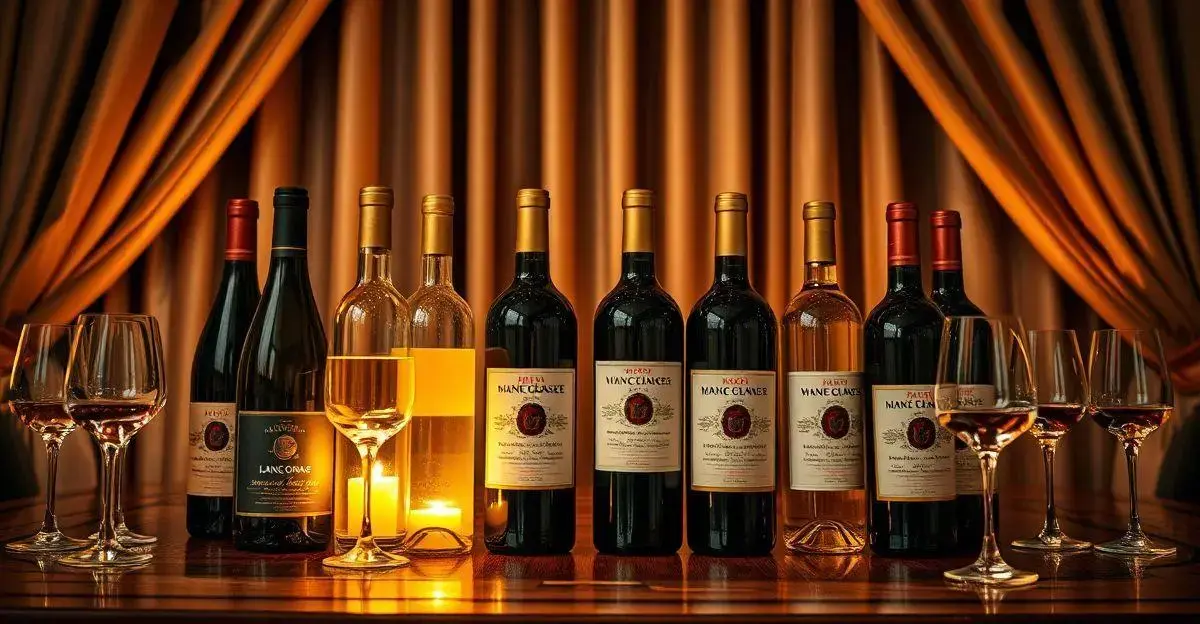
The world of wine has a fascinating tier where some bottles command jaw-dropping prices. These wines are not just beverages; they are considered luxury items and collectibles. The most expensive wines in the world showcase the apex of viticulture and artistry in winemaking. But what makes these wines so extraordinary? Several factors contribute to their exorbitant prices, including rarity, historical significance, and production methods.
Established wineries often have a legacy that spans generations, allowing them to cultivate exceptional grapes and craft remarkable wines. Some of the most expensive wines in the world originated from vineyards that have been tended to for centuries, and their heritage adds immense value. The prestige of their names and the stories behind them often entice collectors and enthusiasts alike.
Another critical aspect is scarcity. Wines produced in limited quantities tend to be more expensive. This is particularly true for certain vintage years when conditions are perfect for grape cultivation. The most expensive wines in the world often come from such unique years, making them highly sought after by collectors eager to own a piece of history.
Additionally, the winemaking process plays a significant role. Many of the most expensive wines in the world are meticulously crafted, with labor-intensive processes that enhance their quality. Producers may utilize specific fermentation methods or aging techniques, which can elevate both the taste and the price. The attention to detail and dedication to quality often result in wines that not only please the palate but are also a worthwhile investment.
Lastly, market dynamics and trends can dictate the pricing of certain wines. Auctions featuring rare bottles can drive prices up significantly. The most expensive wines in the world have often sold for record-breaking amounts at auction, further solidifying their status as luxurious and coveted. Understanding these elements can offer insight into why certain wines are valued so highly and provide guidance for those wishing to explore the world of fine wines.
The Flavors Behind the Most Expensive Wines
The flavors of the most expensive wines in the world are often complex and multilayered. Winemakers strive hard to achieve a unique profile that stands out, which is why tasting these wines can be a profound experience. The flavor palette can range from rich fruit notes to elegant floral undertones, often enhanced by age and the terroir of the vineyard.
To truly explore the flavors, one should engage in structured wine tastings. Start by selecting a few of the most expensive wines in the world. Use proper glassware to allow the wine to aerate, which can significantly enhance the aromas. When tasting, pay attention to the initial sensations on the palate, the mid-palate complexities, and the lingering finish. Each sip offers a new revelation of flavors, and it’s essential to take your time.
Another way to appreciate these wines is by pairing them with suitable foods. The right pairing can elevate the wine’s experience and highlight its nuances. For example, a full-bodied red wine could be complemented with a well-seasoned steak, whereas a light white wine may go beautifully with seafood. Understanding the characteristics of the most expensive wines in the world can guide these pairing decisions.
Also, consider aging potential. Some wines become even more remarkable over time as they develop secondary flavors. A careful examination of the aging process can help you understand why certain bottles from prestigious vineyards command such high prices. Learning about the most expensive wines in the world often involves delving into how different factors enhance their profiles through age.
In essence, the flavors of the most expensive wines in the world are a journey for the senses. By engaging with them deliberately through tastings, pairing, and further education, wine enthusiasts can unlock the intricacies and savor the artistry behind each exquisite bottle. Knowledge and experience cultivate appreciation, leading to a deeper understanding and enjoyment of luxurious wines.
Exploring the Investment Potential of the Most Expensive Wines
Investing in wine has gained popularity as a viable alternative investment strategy. The most expensive wines in the world often appreciate in value, making them attractive to those who are not only wine lovers but also savvy investors. Understanding this market can lead to opportunities for substantial returns. However, it’s crucial to approach this investment with a well-informed strategy.
Firstly, research is vital. Take time to understand which wines consistently retain or increase in value. Many of the most expensive wines in the world appreciate due to their unique characteristics, rarity, and historical significance. Keeping abreast of market trends and auction results can provide guidance on which bottles can make sound investments.
Consider the storage conditions as well. Proper storage is essential for maintaining the quality of fine wines. Invest in a climate-controlled wine cellar or storage unit that can provide the right conditions, as any damage or spoilage can diminish value significantly. This aspect is particularly important for the most expensive wines in the world, which require specific handling to preserve their integrity.
Another strategy is to connect with reputable wine dealers. Building relationships with established dealers can offer insights into upcoming opportunities and provide access to rare bottles. They can also advise you on which wines are poised for appreciation. Engaging appropriately with professionals in the wine trade can take your investment strategy to another level.
Finally, consider diversification. Just like any investment portfolio, having a range of wines can help manage risk. While some bottles might be in high demand, others may not meet the same criteria. Investing in a selection of the most expensive wines in the world can create balance and increase overall value, ensuring you’re well-positioned within the market. Overall, with careful planning and knowledge, investing in wine can be a rewarding venture.
Top Characteristics of the Most Expensive Wines
Several characteristics distinguish the most expensive wines in the world from their more modest counterparts. Understanding these traits can not only enhance your appreciation for fine wines but can also inform your buying decisions if you’re considering adding exceptional bottles to your collection. The first characteristic to note is the quality of grapes used in production.
Exceptional vineyards often have rigorous selection processes for their grapes. Only the best stocks are chosen to create the most expensive wines in the world. Many times, these grapes are harvested by hand to ensure only the highest quality fruit is selected. This attention to detail in viticulture plays a significant role in the overall flavor and construct of the wine.
Another significant factor is the production method. Traditional techniques, such as extended aging in oak barrels or specific fermentation processes, contribute to the unique complexity of the most expensive wines in the world. This craftsmanship leads to distinctive flavors and aromas that can’t be replicated easily, making them more desirable.
Moreover, the vintage can dramatically affect a wine’s value. Some years yield grapes of unparalleled quality, leading to exceptional vintage wines. Collectors and investors often keep a close eye on vintages that are more likely to produce the most expensive wines in the world. These insights help guide purchasing and investment decisions, as certain years are heavily favored for their excellence.
Lastly, provenance plays a fundamental role. The history behind a wine, including where and how it was produced, adds significant intrigue and value. Documented history for rare bottles can greatly increase their worth in the market. This attribute of the most expensive wines in the world attracts collectors who appreciate both the wine and its journey, enhancing its overall allure.
How to Taste and Appreciate the Most Expensive Wines
Tasting wine is an art, especially when it comes to the most expensive wines in the world. To fully appreciate their quality and complexity, adopting a structured approach is essential. Start by preparing your tasting environment. A quiet space with proper lighting can help you focus on the nuances of the wine. Ensure the temperature of the wine is appropriate, as this can significantly affect taste.
Next, consider your glassware. Using a proper wine glass can enhance your experience. For example, large-bowled glasses are generally recommended for red wines to allow for greater aeration and aroma dispersion. As you pour the wine, examine its color and clarity. The most expensive wines in the world often have vibrant colors that can visually indicate quality.
Before tasting, engage in a smell test. Swirl the wine gently in your glass to release aromatic compounds, and take a moment to identify various scents. Pay attention to how these aromas evolve as the wine breathes. This olfactory analysis provides insight into the wine’s complexity and character, pivotal elements of the most expensive wines in the world.
The tasting process itself involves several steps. Take a small sip and allow it to coat your palate. Focus on the initial taste, the mouthfeel, and the finish of the wine. The most expensive wines in the world tend to have well-rounded finishes and lasting impressions, making this part of the process incredibly enlightening.
Finally, take notes throughout your tasting experience. Record your thoughts on the wine’s flavors, aromas, and overall impression. Over time, this practice will help you develop a palate and a deeper appreciation for fine wines. Tasting the most expensive wines in the world should be a rewarding experience, leading to greater knowledge and understanding of the intricacies involved in winemaking.
conclusão
In exploring the world of the most expensive wines, we unveil a landscape rich in history, artistry, and investment potential. These wines epitomize the pinnacle of viticulture and reflect the meticulous craftsmanship that goes into their creation. Factors such as rarity, exceptional grape quality, and unique production methods play pivotal roles in determining their value. As we have seen, this journey into the realm of fine wines is not just about consumption; it is about appreciating the narrative woven into each bottle.
Understanding the complex flavors and characteristics of the most expensive wines enhances the tasting experience, making it a rewarding venture for enthusiasts. Structured tastings offer insights into the flavor profiles that set these wines apart. Pairing them with appropriate foods can elevate not only the wines but also the dining experience, creating an unforgettable moment. Moreover, the aging potential of certain vintages reveals a dynamic aspect of wine appreciation, showcasing how time can transform these exquisite beverages into even more remarkable treasures.
Lastly, for those considering the investment side of fine wines, knowledge is power. With thorough research and awareness of market trends, investing in the most expensive wines can yield significant returns. Proper storage and the establishment of reliable connections within the wine community further enhance the investment potential. The captivating world of fine wines invites both connoisseurs and potential investors to engage deeply, broadening their appreciation and investment horizons. Whether savoring a glass or contemplating a collection, the journey into the world of the most expensive wines promises endless discovery and satisfaction.