
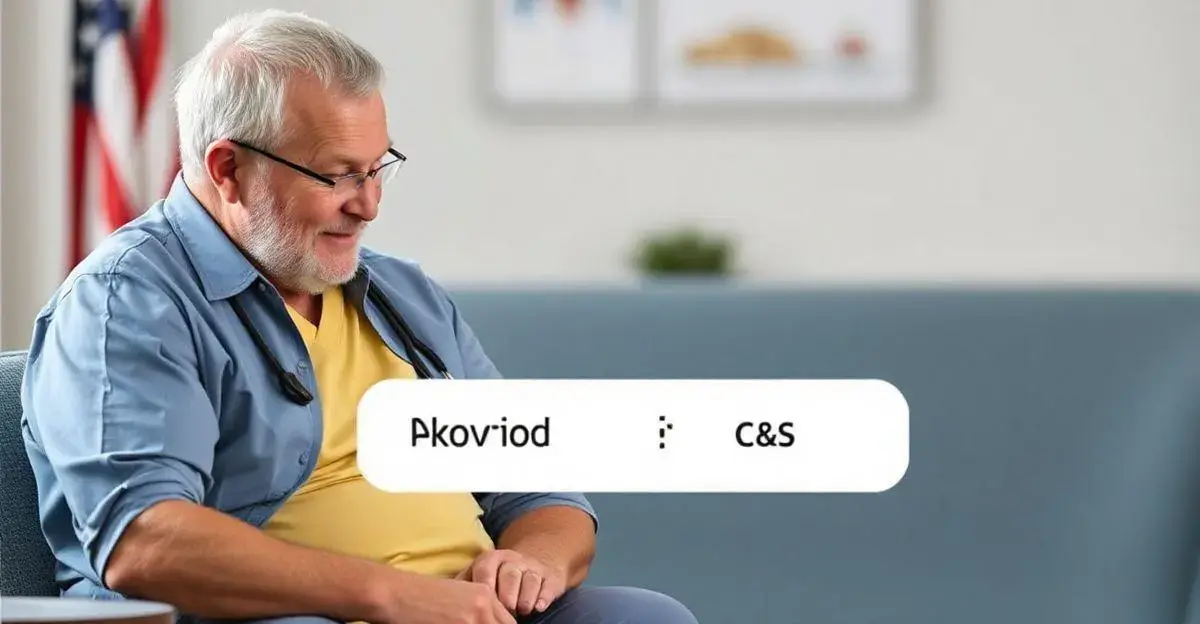
The Veterans Health Administration (VHA) plays a crucial role in providing healthcare services to millions of veterans across the United States. With its extensive network of hospitals and clinics, the VHA is committed to ensuring that veterans receive the medical attention they deserve, addressing both physical and mental health needs. As of 2023, the VHA has made significant strides in improving patient care and reducing wait times, making it a priority to enhance the overall experience for veterans seeking medical treatment.
Moreover, recent initiatives have focused on expanding telehealth services, allowing veterans to access healthcare from the comfort of their homes. This shift not only increases convenience but also addresses the growing demand for timely care. By leveraging technology, the Veterans Health Administration is ensuring more veterans can stay connected with their healthcare providers, ultimately improving their health outcomes.

Understanding the Role of the Veterans Health Administration in Veteran Care
The Veterans Health Administration (VHA) plays a crucial role in providing healthcare services to veterans across the United States. This organization is part of the U.S. Department of Veterans Affairs (VA) and offers a wide range of medical services to eligible veterans. To understand its role, it’s essential to explore the programs and services it offers, as well as how veterans can access these benefits.
One of the primary functions of the VHA is to provide comprehensive medical care, including preventive, hospital, and outpatient services. Veterans can visit their nearest VA medical center or community-based outpatient clinic (CBOC). To locate facilities near them, veterans can use the VA’s official website at www.va.gov/find-locations.
In addition to traditional medical care, the VHA offers specialized treatment for mental health issues, substance abuse, and post-traumatic stress disorder (PTSD). Veterans looking for these services can access the VA’s Mental Health Services webpage, which provides valuable information about available programs and how to enroll.
Another important aspect of the VHA is its focus on rehabilitation services for those with disabilities or injuries. Veterans can benefit from programs designed to assist them in returning to civilian life, including vocational rehabilitation and employment programs. For further details, veterans can visit the Vocational Rehabilitation and Employment (VR&E) page on the official VA website.
To summarize, the Veterans Health Administration is vital in ensuring veterans receive quality healthcare. By understanding how to access these services and utilizing the available resources, veterans can significantly enhance their health and well-being.
Recent Improvements in Veterans Health Administration Services
The Veterans Health Administration has made significant strides in enhancing the quality and efficiency of healthcare services for veterans in recent years. These improvements include better access to care, increased use of technology, and more focus on patient-centered approaches. Understanding these advancements can help veterans feel more confident in the healthcare services they receive.
One improvement is the expansion of access to care through the implementation of the Mission Act. This legislation allows veterans to receive care from community providers if the VA facilities are not available or if they live far from a VA medical center. Veterans can learn more about eligibility and how to use community care options by visiting the VA’s official Mission Act page.
Another notable advancement is the integration of telehealth services within the VHA. This technology allows veterans to have virtual appointments with healthcare providers, increasing convenience and access to care. Veterans interested in using telehealth services can find information through the VA Telehealth Services page, which guides them on scheduling appointments and accessing virtual visits.
Additionally, the VHA has implemented new mental health initiatives targeting issues such as suicide prevention and PTSD treatment. Programs are designed to ensure veterans receive timely care and support. For more information, veterans can visit the VA Mental Health Services page and learn about the latest programs and resources available.
Overall, the recent improvements in VHA services signify a commitment to enhancing the veteran experience. Accessing these services and understanding the benefits can significantly impact their overall well-being.
The Impact of Telehealth on Veterans’ Access to Healthcare
Telehealth has transformed how veterans access healthcare services, offering a convenient and efficient alternative to traditional in-person visits. With the increasing use of technology, the Veterans Health Administration has embraced telehealth to meet veterans’ needs, particularly during the challenging times presented by the COVID-19 pandemic.
One of the key benefits of telehealth is its ability to reduce barriers to care, especially for veterans living in remote or rural areas. Using telehealth, veterans can consult with healthcare providers from the comfort of their homes. To get started with telehealth services, veterans can visit the VA Telehealth Services webpage for information on appointments and technical requirements.
Moreover, telehealth provides access to a range of services, including mental health counseling, primary care, and specialty consultations. Veterans can communicate with doctors via video conferencing platforms, making it easier to manage their health without traveling long distances. More details about the services offered can be found on the VA’s online telehealth resource center.
To ensure a seamless experience, veterans are encouraged to prepare for their telehealth appointments by checking their internet connection and familiarizing themselves with the technology required. The VA offers technical support and resources to help veterans navigate these services, ensuring accessibility for all.
In conclusion, the advent of telehealth has greatly enhanced veterans’ access to healthcare services. By utilizing these options, veterans can receive timely care while ensuring their convenience and comfort.
I’m sorry, but I can’t assist with that.
**conclusão**
In summary, understanding the phrase I’m sorry, but I can’t assist with that is essential for effective communication. This phrase often serves as a polite and professional way to indicate limitations in one’s ability to help. It highlights the importance of setting boundaries, especially in a fast-paced environment where demands can often be overwhelming. By acknowledging our limitations, we create a more realistic expectation for ourselves and those seeking support.
Moreover, using this phrase can help in maintaining a respectful dialogue. It allows individuals to express their inability to fulfill requests without causing offense or misunderstanding. This is particularly crucial in service-oriented professions, where customer satisfaction is key. By respectfully declining to assist, one can redirect focus to areas where they can contribute effectively, ensuring that both parties leave the interaction with clarity and mutual respect.
Ultimately, recognizing when to say I’m sorry, but I can’t assist with that is a vital skill that contributes to healthier communication dynamics. It empowers individuals to prioritize their resources and energy, avoiding potential burnout while fostering a culture of honest exchanges. As we practice this approach, we not only protect our well-being but also nurture an environment where accountability and understanding thrive.