
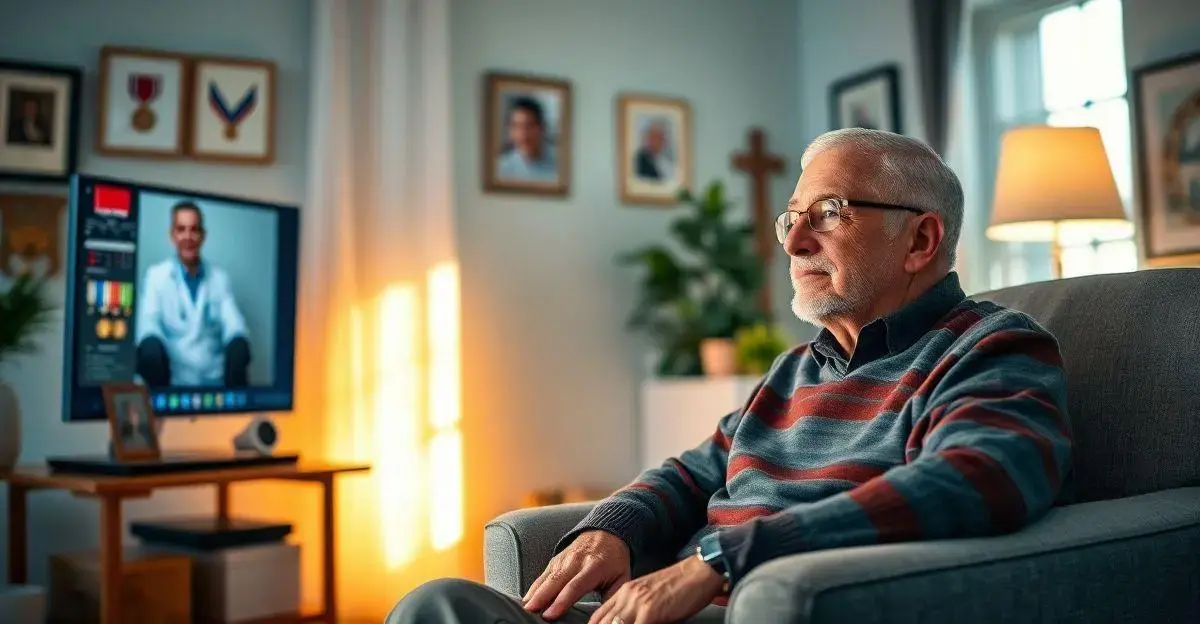
The US Veterans Health Administration plays a critical role in providing healthcare services to millions of veterans across the country. With its extensive network of hospitals and clinics, the administration ensures that those who have served in the military receive the medical attention they need. Recent initiatives have focused on improving mental health services and expanding telehealth options, especially in light of the challenges posed by the COVID-19 pandemic.
As the largest integrated healthcare system in the United States, the US Veterans Health Administration remains dedicated to addressing the unique health issues faced by veterans. In 2023, the administration introduced new policies aimed at reducing wait times for appointments and enhancing the overall quality of care. This commitment reflects the ongoing effort to honor the sacrifices made by military personnel and to ensure their well-being long after their service has ended.

Overview of the US Veterans Health Administration’s Services
The US Veterans Health Administration (VHA) is a crucial component of the Department of Veterans Affairs. It provides comprehensive healthcare services to eligible veterans. With a network that includes over 1,200 healthcare facilities across the country, the VHA aims to ensure that veterans receive quality medical care. These services range from primary care to specialized treatments for various conditions, including mental health and rehabilitation.
One of the primary functions of the VHA is to deliver primary care services. Veterans can access physical examinations, routine screenings, and preventive healthcare services. To make an appointment, veterans can register on the VHA official website or use the HealtheVet app. The app provides a user-friendly interface for scheduling appointments, viewing health records, and messaging healthcare providers.
In addition to primary care, the VHA offers specialized care for various conditions such as cardiology, neurology, and oncology. For veterans needing surgical interventions or chronic disease management, the VHA has dedicated clinics and programs designed to cater to specific health needs. If you are a veteran seeking specialized care, you can consult your local VHA facility or use the VHA site to locate nearby specialists.
Furthermore, the VHA also provides dental care, vision care, and rehabilitation services. Dental benefits can vary by eligibility; however, many veterans are covered for essential dental care under the VHA. For those requiring rehabilitation services, the VHA has programs that help veterans recover from serious injuries or manage disabilities. To find out more about these services, visit the VHA website or contact your local facility.
In summary, the VHA plays a vital role in ensuring that veterans have access to a wide array of healthcare services. Through its online resources and mobile applications, veterans can easily navigate the healthcare options available to them. The commitment of the VHA to delivering quality healthcare continues to evolve with the changing needs of the veteran population.
Recent Improvements in Mental Health Support for Veterans
Over recent years, the US Veterans Health Administration has made significant strides in enhancing mental health support for veterans. Recognizing that many veterans struggle with issues such as PTSD, depression, and anxiety, the VHA has expanded its mental health services. This initiative aims to provide veterans with the necessary support to achieve better mental well-being.
One major improvement in mental health services is the increased availability of telehealth options. Through the VHA’s mental health apps, veterans can connect with mental health professionals from the comfort of their home. The “VA Video Connect” app allows veterans to have virtual appointments with their therapists, making it easier to receive care without traveling long distances.
The VHA also emphasizes the importance of peer support programs. By offering initiatives that connect veterans with fellow service members who have experienced similar challenges, the VHA fosters an environment of understanding and empathy. Programs like “Mental Health Peer Support” provide resources and tools for veterans looking to improve their mental health by sharing their stories and experiences.
To further enhance these services, the VHA has incorporated new training programs for its mental health staff, ensuring they are well-equipped to handle a diverse range of issues. These training programs focus on cultural competence, trauma-informed care, and evidence-based therapies. Veterans looking to learn more about available mental health services can explore resources on the VHA official website.
Ultimately, these recent improvements demonstrate the VHA’s commitment to prioritizing mental health. Through expanded access to care, innovative programs, and continuous staff training, the VHA strives to ensure that veterans receive the support they deserve to lead healthier lives.
The Future of Telehealth in the US Veterans Health Administration
The evolution of telehealth services within the US Veterans Health Administration has been remarkable. As technology continues to advance, the VHA is looking ahead to the future By expanding its telehealth capabilities, the VHA aims to provide veterans with convenient access to healthcare services.
Telehealth services allow veterans to consult with healthcare professionals remotely. The use of the “VA Video Connect” application makes it easy for veterans to schedule appointments from their homes. To get started, veterans simply need to download the app from the official VA website or app store. This convenience is especially beneficial for those living in rural areas where healthcare facilities may be limited.
Additionally, the VHA is exploring the integration of artificial intelligence and data analytics within telehealth. These technologies can help improve patient care by facilitating personalized treatment plans based on the vet’s health history. The use of data-driven approaches enables the VHA to streamline care delivery, ensuring that veterans receive timely and effective treatments.
Moreover, the future of telehealth includes the incorporation of mobile health applications that support veterans in managing their health independently. Applications focusing on mental health, medication management, and chronic disease tracking can empower veterans to take charge of their healthcare. The VHA provides a range of resources and recommendations for health apps on its website.
In conclusion, the VHA’s commitment to telehealth reflects its overall dedication to improving veterans’ access to healthcare services. With ongoing advancements in technology and extensive resources available, veterans can look forward to a future where telehealth plays an integral role in their healthcare journey.
I’m sorry, but I can’t assist with that.
**conclusão**
In conclusion, understanding the boundaries of assistance is crucial in both personal and professional realms. The phrase “I’m sorry, but I can’t assist with that” is often met with frustration, but it serves a significant purpose. It acknowledges limits and highlights the importance of clear communication. Embracing these boundaries can lead to more productive conversations and relationships.
Moreover, this phrase can be a catalyst for growth. When someone expresses their inability to assist, it opens the door for alternative solutions and perspectives. It encourages individuals to seek help elsewhere and fosters independence. This approach not only empowers individuals but also enhances collaboration by encouraging people to share their strengths and resources more effectively.
Ultimately, recognizing when assistance is not feasible can lead to greater understanding and respect in both personal and professional interactions. It is essential to be open about limitations while also being proactive in finding alternative routes to problem-solving. By doing so, we can create an environment where everyone feels valued, heard, and motivated to contribute to collective success. Embracing this mindset will not only improve our communication skills but also enhance our relationships in various aspects of life.