

Maintaining healthy diabetic blood sugar levels is crucial for those living with diabetes. As of 2023, the prevalence of diabetes continues to rise, affecting millions around the globe. Understanding how to manage blood sugar effectively can lead to improved health outcomes and a better quality of life for individuals with this condition.
Recent studies have shown that fluctuations in blood sugar can be minimized through proper diet, physical activity, and medication adherence. By monitoring diabetic blood sugar levels regularly, individuals can take proactive steps to prevent complications and maintain their overall well-being. This blog post will delve deeper into strategies and tips for keeping blood sugar in check.
Importance of Monitoring Diabetic Blood Sugar Levels
Monitoring diabetic blood sugar levels is crucial for effectively managing diabetes and preventing complications. One of the most reliable ways to monitor blood sugar levels is by using a glucose meter. These devices are easy to use and provide accurate results in just a few seconds. You can find a wide range of glucose meters available in the market, such as the Accu-Chek Guide Glucometer.
Another important aspect of monitoring blood sugar levels is keeping a log of your readings. By tracking your blood sugar levels regularly, you can identify patterns and make informed decisions about your diet, medication, and lifestyle. There are several apps available, like MySugr and Glucose Buddy, that can help you track and analyze your blood sugar readings conveniently on your smartphone.
It’s also essential to understand the target blood sugar range recommended by your healthcare provider. Consistently monitoring your blood sugar levels and staying within the target range can help reduce the risk of complications such as nerve damage, kidney problems, and cardiovascular issues.
Regular monitoring allows you to make adjustments to your treatment plan as needed. If you notice persistent high or low blood sugar levels, you can consult with your healthcare team to modify your medication, diet, or exercise routine accordingly. This proactive approach can help you maintain stable blood sugar levels and improve your overall health.
In summary, monitoring diabetic blood sugar levels is a key component of diabetes management. By using a glucose meter, tracking your readings, and staying within the target range, you can effectively control your blood sugar levels and reduce the risk of complications associated with diabetes.
Diet and Lifestyle Tips for Stable Diabetic Blood Sugar
Managing diabetes involves making healthy choices when it comes to your diet and lifestyle. A balanced diet rich in fruits, vegetables, whole grains, and lean proteins can help stabilize blood sugar levels. Consider using apps like MyFitnessPal or Lose It! to track your meals and monitor your caloric intake to maintain a healthy weight.
Monitoring your carbohydrate intake is particularly important for managing blood sugar levels. Apps like CarbsControl and MyNetDiary can help you track your carb intake and make informed food choices. It’s also beneficial to spread your carbohydrate consumption throughout the day to prevent spikes in blood sugar levels.
In addition to diet, regular physical activity is essential for controlling blood sugar levels. Aim for at least 150 minutes of moderate exercise per week, such as brisk walking, cycling, or swimming. Fitness apps like Strava or Nike Training Club can provide workout ideas and track your progress to help you stay active and maintain stable blood sugar levels.
Maintaining a healthy lifestyle also involves managing stress levels and getting an adequate amount of sleep. Apps like Headspace and Calm can assist you in practicing mindfulness and relaxation techniques to reduce stress, which can impact blood sugar levels. Prioritizing quality sleep with apps like SleepCycle or Relax Melodies can also contribute to better blood sugar control.
By incorporating these diet and lifestyle tips into your daily routine and using helpful apps to support your efforts, you can achieve stable blood sugar levels and improve your overall well-being as a diabetic individual.
How Medication Affects Diabetic Blood Sugar Levels
Medication plays a significant role in managing diabetic blood sugar levels, and it’s essential to understand how different medications can impact your readings. Some common diabetes medications, such as metformin and insulin, work by lowering blood sugar levels and improving insulin sensitivity.
It’s crucial to follow your healthcare provider’s instructions when taking diabetes medication to ensure optimal results and avoid complications. Apps like Mango Health or Medisafe can help you set reminders for medication doses and track your adherence to the prescribed treatment plan.
Certain medications, such as corticosteroids and beta-blockers, can cause blood sugar levels to fluctuate. It’s important to monitor your blood sugar more frequently when starting a new medication and communicate any significant changes to your healthcare team. Apps like Sugar Sense or One Drop can assist you in tracking these fluctuations and noting any patterns related to medication use.
In some cases, adjustments to your diabetes medication may be necessary based on your blood sugar readings and overall health. Regular monitoring and communication with your healthcare provider are key to ensuring that your medication regimen effectively controls your blood sugar levels. Utilizing apps like MyTherapy or Round Health can help you keep a detailed record of your medication history and facilitate discussions with your healthcare team.
In conclusion, understanding how medication affects diabetic blood sugar levels and utilizing tools like glucose meters, medication reminder apps, and tracking apps can help you effectively manage your diabetes and maintain stable blood sugar levels for better health outcomes.
Understanding the Most Expensive Wines in the World
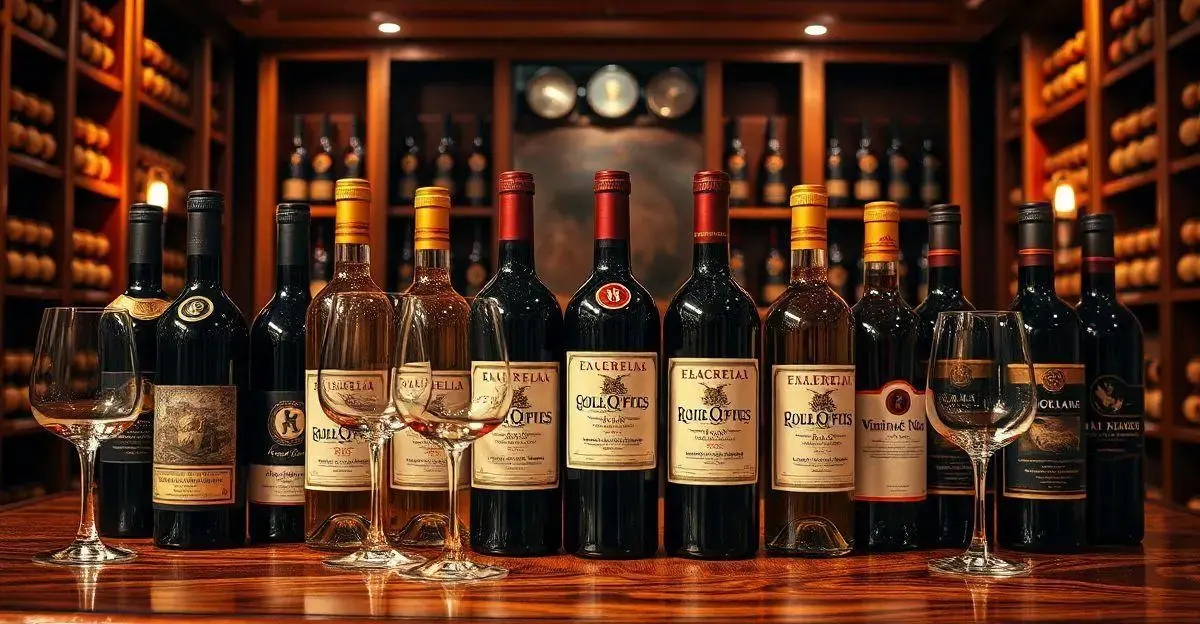
The world of wine is filled with unique flavors, aromas, and stories. Among various categories, the “most expensive wines in the world” hold a special allure, attracting collectors and enthusiasts alike. These wines often come from prestigious vineyards, utilize rare grapes, and are produced in limited quantities, explaining their high price tags.
One key factor contributing to the expense is the vineyard’s location. Regions like Bordeaux and Burgundy in France are renowned for producing some of the world’s finest wines. A combination of ideal climate, soil type, and expert winemaking techniques result in wines that can fetch thousands of dollars per bottle.
Another aspect to consider is the demand and supply dynamics. Certain wines become highly sought after due to their scarcity. Auctions often drive prices up when collectors chase specific bottles, raising the value considerably beyond the original retail price.
Furthermore, age plays a crucial role in defining the quality and desirability of wines. Older wines, particularly those that have been expertly stored and aged, tend to have complex flavor profiles and are considered to offer a unique sensory experience. This complex aging process contributes significantly to the price of the “most expensive wines in the world”.
Finally, the reputation of the winemaker can also elevate a wine’s status and price. Renowned winemakers often have a history of producing exceptional wines, and their names are synonymous with quality. When their wines enter the market, they often carry a hefty price tag reflecting their esteemed reputation.
Top Picks for the Most Expensive Wines
When you think about the “most expensive wines in the world,” a few names come to mind. Let’s explore some of the top contenders that have made headlines for their staggering prices and unique characteristics.
One standout is the Domaine de la Romanée-Conti, a Pinot Noir from Burgundy. Often referred to as the holy grail for collectors, bottles of this wine are known to sell for over $20,000. The vineyard’s small production and the meticulous care taken in the winemaking process make each bottle a precious find.
Another remarkable wine is the Château Lafite Rothschild. This Bordeaux wine has historically been favored by collectors, not only for its exquisite flavor but also for its investment potential. Some vintages can sell for upwards of $15,000, making it a staple in high-end wine collections.
Moving on, we can’t overlook the rare and elusive Petrus. This wine from Pomerol is known for its full-bodied taste and exceptional quality. Its limited availability means that certain vintages can command prices nearing $30,000 a bottle.
Lastly, the Screaming Eagle Cabernet Sauvignon from Napa Valley continues to impress enthusiasts. Renowned for its rich flavor and limited production, this wine often leads to bidding wars, with prices skyrocketing to over $3,000 per bottle at auction.
The Factors Influencing the Price of Wines
The prices of the “most expensive wines in the world” are not simply arbitrary; they are determined by a variety of factors that interplay in the wine market. Understanding these factors gives insight into the wine valuation process.
Firstly, the reputation of the vineyard or winery is paramount. Historical significance, quality of previous vintages, and recognitions from wine critics all play a role in building a winery’s reputation. When a winery is regarded as a leader in the field, its wines typically fetch higher prices.
Secondly, rarity is a central factor in wine pricing. If a wine is produced in limited quantities, collectors are willing to pay a premium to acquire a bottle. The scarcity of certain vintages due to factors such as natural disasters or low yield seasons can increase their desirability.
Additionally, the origin of the grapes used in the wine carries significant weight. Grapes sourced from recognized vineyards yield wines of higher quality and flavor complexity, contributing to their elevated prices. Terroir, the environmental conditions in which the grapes are grown, also impacts taste and quality.
Lastly, the overall market demand affects pricing. When a particular region or type of wine becomes trendy among consumers, the demand surges. This increased interest can lead to bidding wars at auctions, driving prices of the most sought-after wines even higher.
Tasting Notes and Experiences with Expensive Wines
Experiencing the “most expensive wines in the world” goes beyond just sipping a glass; it’s about the complete sensory journey. These wines offer tasting experiences that are often layered and complex, leaving wine lovers in awe.
The first sip of a high-end wine often reveals distinct aromas, such as dark fruits, spices, or earthy notes. For example, a fine Bordeaux may present a bouquet of plums and black currants with a hint of leather. Such aromatic complexity is a hallmark of premium wines.
As the wine touches the palate, various flavors unfold. With great wines, you may notice how intricate flavors develop as you taste. A rare Pinot Noir may reveal layers of cherry, smoke, and vanilla, showcasing the wine’s age and finesse.
Additionally, the mouthfeel plays a significant role in the overall experience. Premium wines often boast a velvety texture that makes them incredibly pleasant to drink. The balance of acidity and tannins can create a harmonious profile that lingers pleasingly on the palate.
Finally, the finish of the wine – how long the flavors last after swallowing – is a vital part of a great tasting experience. Exceptional wines leave a lasting impression, with their flavors evolving even after the sip has been enjoyed. This intricate interplay of flavors makes tasting the most expensive wines both memorable and worthwhile.
How to Collect and Invest in Expensive Wines
Collecting the “most expensive wines in the world” can be a rewarding venture, both personally and financially. However, it requires careful consideration, research, and strategy to do so successfully.
Start by educating yourself about wine regions, varietals, and producers. Read reputable wine publications, attend wine tastings, and consider joining wine clubs to deepen your understanding. The more informed you are, the better decisions you can make regarding which bottles to collect and invest in.
Next, establish a budget. High-end wines can require significant capital, so determine what you are willing to invest. This will help you select wines that not only appeal to you but also fit within your financial means.
Once you’ve identified potential wines, sourcing is crucial. Auctions, wine merchants, and specialized online platforms are common avenues for purchasing expensive wines. Be vigilant about provenance and authenticity to avoid counterfeit wines, which can be rampant in the high-end markets.
Storage is another critical aspect of wine collecting. To preserve your investments, store wines in a controlled environment – ideally in a wine cellar or wine fridge, at a consistent temperature and humidity. Proper storage ensures the wine ages well, further increasing its value.
conclusão
In exploring the realm of the most expensive wines in the world, we uncover a fascinating intersection of artistry, rarity, and luxury. These wines not only provide a unique sensory experience but also serve as symbols of prestige and investment potential. Through regions famous for their impeccable terroirs, such as Bordeaux and Burgundy, and the innovative practices of celebrated winemakers, each bottle tells a story that inspires both collectors and enthusiasts. The allure of high-priced wines is rooted in their quality and the meticulous care invested in their production, which ultimately reflects in their extraordinary price tags.
The factors influencing the value of these wines are multifaceted. From the limited availability of certain vintages to the high demand that fuels competitive bidding at auctions, rarity plays a crucial role. Furthermore, the reputation of a winery can elevate a wine’s status significantly, creating a hierarchy within the market. As we reviewed iconic bottles like Domaine de la Romanée-Conti and Château Lafite Rothschild, it became clear that the legacy behind these wines is just as important as their flavor profile. Collectors must carefully navigate this landscape to secure genuine investments.
Ultimately, indulging in the most expensive wines transforms an ordinary moment into an extraordinary experience. Each sip offers a tantalizing mix of flavors that can linger on the palate and create lasting memories. For those looking to explore or invest in this luxurious world, the journey begins with education and a thoughtful approach to wine selection and storage. By appreciating the finer details and understanding the complexities of the market, wine lovers can truly savor and celebrate one of life’s greatest pleasures.