

For many iPhone and iPad users, forgetting an iCloud password can be a frustrating experience. You’re not alone if you’re shouting “Forgot iCloud Password? Here’s How to Reset It.” Fortunately, Apple has streamlined the process to help you regain access to your account with just a few simple steps. Understanding these steps is crucial, especially as more people rely on cloud storage for their essential files and personal data.
As of late 2023, Apple has introduced new features that make password recovery even easier. With the use of trusted devices and recovery keys, retrieving your iCloud password can be done quickly and securely. In this post, we will guide you through the updated method to reset your forgotten iCloud password, ensuring you can access your account without unnecessary stress.
Common Causes of Forgetting Your iCloud Password
Forgetting your iCloud password can be quite frustrating. There are several common reasons why this happens. One primary cause is simply having too many passwords to remember. With all the accounts we create online, it’s easy to confuse one password with another. A survey by cybersecurity experts shows that the average person has more than 70 passwords, making it easy for any one of them to slip your mind.
Another significant reason is changes in routine or environment. If you’ve recently changed devices or updated your software, the new setups may require you to input your password differently. Sometimes, people also forget their passwords after a long break from a particular account, such as after a vacation.
Additionally, some users tend to update their passwords frequently for security reasons. This practice is excellent for your online safety, but it can lead to forgetting the newer password if you fail to note it down somewhere securely. Using a password manager can help alleviate this issue by keeping your passwords in one safe place, accessible when you need them.
Lastly, phishing attempts can trick users into changing their passwords without realizing it. If you accidentally enter your information on a malicious site, the attackers might gain access to your account, prompting a forced password change. Always check URLs and email sources to avoid this common pitfall.
Awareness of these common causes can help you take preventive measures. By implementing better password management strategies and being cautious online, you can protect your iCloud account from being forgotten or compromised.
Step-by-Step Guide to Reset Your iCloud Password
If you’ve forgotten your iCloud password, resetting it is straightforward. Here’s how to do it step by step.
First, go to the Apple ID account page at appleid.apple.com. Once there, click on the “Forgot Apple ID or password?” link. You will be prompted to enter your Apple ID. Make sure to use the email address associated with your iCloud account, then click “Continue.”
Next, you’ll see options for how you want to reset your password. You can choose to receive an email or answer security questions. If you select the email option, Apple will send a link to your registered email. Click on the link, which will take you to a page where you can create a new password. If you choose to answer security questions, ensure you answer them correctly. After verifying your identity, you can set a new password.
Once you’ve set a new password, make sure to remember it and store it securely. You can write it down in a password manager app, which you can download from reputable sources like the App Store or Google Play. Popular options include LastPass and 1Password, which offer secure vaults for your login credentials.
Finally, after resetting your password, you should update all your devices that use iCloud. Go to Settings on your iPhone or iPad, tap on your name at the top, and select “Password & Security.” Here, you can change your password on all devices in a few easy steps.
Tips for Keeping Your iCloud Password Secure in the Future
First, use a strong, unique password. Avoid using easily guessed information, like birthdays or your pet’s name. Instead, mix uppercase and lowercase letters, numbers, and special characters. An example would be “4E@syP@ssword1!” This combination makes it hard to hack while remaining easier for you to recall if needed.
Secondly, utilize a password manager. These applications store your passwords securely and can even generate strong passwords for you. By keeping all your passwords in one place, you can focus on remembering just one master password to access them. Some popular password manager apps include Bitwarden and KeePass.
Another tip is to enable two-factor authentication (2FA). This adds another layer of security to your account. Whenever you or anyone else tries to log in from a new or unrecognized device, they will need to enter a code sent to your trusted device or phone number. To enable 2FA, go to the Apple ID page, navigate to “Security,” and follow the prompts to set it up.
Moreover, consider regularly updating your password. Change it every few months or immediately if you suspect any security breach. Getting into this habit can help in preventing unauthorized access to your account and gives you peace of mind.
Lastly, be cautious of phishing attempts and unusual emails. Always verify the source before clicking on links or providing personal information. Scammers often create fake websites to steal your credentials. When in doubt, go directly to the Apple website to enter your details securely.
**The World’s Most Expensive Wines: An Overview**
The World’s Most Expensive Wines: An Overview
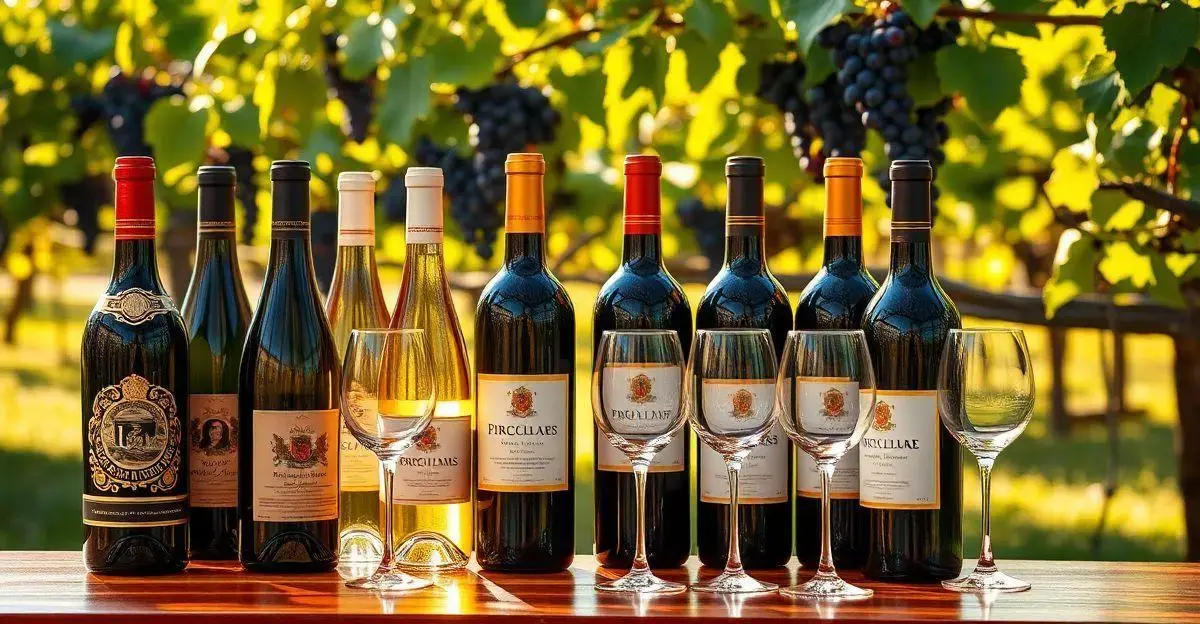
When discussing luxury items, few can rival the allure of the world’s most expensive wines. These wines not only offer unique flavors but also represent high investment value. The universe of exquisite vintages is vast, and a number of factors contribute to the price of these bottles.
The allure of fine wines often draws in collectors and enthusiasts alike. Each bottle often tells a story – from the vineyard’s terroir to the winemaker’s craftsmanship. Understanding the context behind these wines can deepen appreciation and highlight the reason some bottles command astronomical prices.
Factors influencing the pricing include rarity, vintage quality, region, and brand reputation. For instance, a bottle from a prestigious vineyard can be significantly more expensive than another from a less renowned location, even if both are of high quality. These attributes combine to create a unique value proposition for the buyer.
Another critical factor is the wine’s aging potential, where certain varietals can improve significantly over time. This not only adds to their enjoyment but makes them a wise investment for collectors looking to store valuable vintages. Thus, the most expensive wines often reflect not just consumption but also investment and asset diversification.
In essence, exploring the world of the most expensive wines opens a door to fascination, knowledge, and even strategic acquisition. This exploration can be an enjoyable and rewarding journey for all involved, from connoisseurs to investors.
**Key Characteristics of the World’s Most Expensive Wines**
Key Characteristics of the World’s Most Expensive Wines
The characteristics that make wines expensive vary widely, but certain shared traits emerge among the world’s most expensive wines. One primary characteristic is rarity. Limited production often results in higher value, especially when the wine is from a renowned vineyard.
Another characteristic is quality. Exceptional vintages that display complexity, balance, and depth in flavor tend to garner higher prices. Such wines are typically produced under optimal conditions, showcasing the vineyard’s unique characteristics. The winemaker’s expertise plays a vital role here as well.
Geographical origin also plays a significant part. Specific regions have established reputations for producing top-quality wines, such as Bordeaux in France or Napa Valley in the USA. Wines produced in these areas enjoy a premium based on their historical pedigree and brand recognition.
Market trends also significantly impact pricing. As demand for fine wines increases, prices may continue to soar, driven by the desire for exclusivity. As collectors vie for ownership of rare bottles, the prices may skyrocket, sometimes doubling or tripling mere months after their release.
Collectability is another essential factor. A bottle is not merely judged on taste but also on its appreciation over time. Collectors look for those wines that will hold or increase value, making the rare product significantly more coveted.
**Understanding Investment in the Most Expensive Wines**
Understanding Investment in the Most Expensive Wines
Investing in luxury items has long been a practice, and the world’s most expensive wines are no exception. Many seek not just to enjoy these wines but also to benefit financially from their acquisition. When done thoughtfully, investing in wine can yield significant returns.
Initial steps to investing in expensive wines often include education. Understanding the market, recognizing the most sought-after vintages, and being aware of changing trends is crucial for successful investments. Many investors study wine auction results, prices, and industry forecasts to make informed decisions.
Storage is another essential aspect of wine investment. Wines must be stored in optimal conditions to maintain their quality and value. This includes controlled temperatures, humidity levels, and protection from light, all of which help ensure that the wine is preserved adequately for future enjoyment or sale.
Networking is also a crucial component. Engaging with wine merchants, attending tastings, and joining exclusive clubs can provide insights and access to rare bottles. Building relationships in the industry can lead to opportunities that remain hidden from the general public.
Finally, being patient is key. Many fine wines take years or even decades to reach their peak potential. An aspiring investor must be prepared to hold onto their collection and resist the urge to sell too early, as the best returns often come from those willing to wait for the perfect moment.
**The Influence of Rarity on Pricing**
The Influence of Rarity on Pricing
Rarity is one of the major factors that significantly influence the price of some of the most expensive wines in the world. A limited production adds not only uniqueness but also a sense of urgency among collectors. This demand can often drive prices to dizzying heights.
When a wine is produced in small quantities, the exclusivity becomes part of its story. For example, certain cult wines from regions like California are produced in such small amounts that they often sell out immediately upon release. This immediate scarcity amplifies consumer interest and drives up price.
In addition to limited quantities, certain vintages are rare due to unique climatic conditions that affect grape production. A year with a perfect growing season could yield exceptional fruit, but if that same weather pattern doesn’t repeat for years, those wines become exceptionally rare.
Furthermore, historical significance contributes to a wine’s rarity. Bottles produced during pivotal events or notable periods can fetch enormous sums. For example, wines that were served in royal banquets or featured in film festivals often carry a historical weight that adds to their allure.
Ultimately, rarity fuels desire, leading to a cycle of increased demand and subsequent rise in price, making understanding this concept vital for anyone interested in the world of fine wines.
**Top Examples of the Most Expensive Wines**
Top Examples of the Most Expensive Wines
Several wines stand out in discussions about the world’s most expensive wines. One of the most notable examples is the 1945 Romanee-Conti, often regarded as the pinnacle of wine luxury. This vintage fetched record prices at auction, largely due to its limited production and outstanding quality.
Another impressive contender is the 1787 Château Lafite, which allegedly belonged to Thomas Jefferson. The historical connection and rarity of this bottle significantly drive up its value among collectors. Wine with history captures unique stories that add layers of depth to the investment.
The 2009 DRC Romanee-Conti is also notable, with its high acclaim and limited production further elevating its asking price, demonstrating the combination of quality and rarity’s potent impact on valuation. Each auction featuring this wine sees exceptional bidding activity.
Then we have the Screaming Eagle Cabernet Sauvignon from Napa Valley, another symbol of luxury within the wine world. Its exclusivity and the hype created around it make it a sought-after piece among collectors, driving its price to impressive heights.
Each of these examples illustrates the complexities surrounding the valuation of the most expensive wines. Factors ranging from historical provenance to limited availability combine to create a market that can be both fascinating and financially rewarding for those who delve in.
conclusão
In the world of luxury, expensive wines hold a unique position that combines taste, exclusivity, and investment potential. The allure of these rare bottles not only entices collectors and enthusiasts but also offers a deep dive into the stories behind each vintage. Factors such as rarity, quality, geographical origin, and market trends intricately weave together to determine the price of these wines. Understanding these elements assists buyers in making informed decisions, whether for personal enjoyment or investment purposes.
As highlighted in the discussion, rarity emerges as a vital aspect affecting pricing. Limited production enhances the demand for certain wines, creating a sense of urgency among collectors eager to own a piece of luxury. Wines that are produced under ideal climatic conditions or that have historical significance can achieve astounding prices at auctions. The relationship between rarity and desirability fuels the cycle of inflation in wine prices, making it essential for collectors and investors alike to grasp this concept.
Ultimately, investing in expensive wines involves more than just selecting a bottle with an attractive label. It requires research, patience, and proper storage to ensure the potential for value appreciation over time. Engaging with artisans, networking with fellow enthusiasts, and keeping abreast of market trends can enrich one’s knowledge and pave the way for successful investments. The world of fine wines is as intricate as it is rewarding, inviting both connoisseurs and investors to embark on a journey filled with discovery and valuable acquisitions.