
Type 2 diabetes with mellitus is a chronic condition that affects millions of people worldwide. It occurs when the body becomes resistant to insulin or when the pancreas cannot produce enough insulin to maintain normal glucose levels. Recent studies suggest that lifestyle changes, such as improved diet and regular exercise, can be crucial in managing this condition effectively, thereby reducing the risk of complications such as heart disease and nerve damage.
Understanding the condition and its management is essential for those diagnosed with type 2 diabetes. Education on how to monitor blood sugar levels, the importance of medication adherence, and making healthier food choices can empower individuals to take charge of their health. Community support and access to healthcare resources also play vital roles in managing diabetes, ensuring that patients have the tools needed to lead healthier lives.

Causes and Risk Factors of Type 2 Diabetes with Mellitus
Type 2 diabetes mellitus is a chronic condition characterized by insulin resistance and high blood sugar levels. Understanding the causes and risk factors associated with type 2 diabetes is crucial for prevention and management.
1. Genetics:
Genetics play a significant role in the development of type 2 diabetes. Individuals with family members who have the condition are at a higher risk of developing it themselves. Genetic testing can help identify predispositions to diabetes.
2. Lifestyle Factors:
Sedentary lifestyle, poor dietary choices, and obesity are major contributors to the development of type 2 diabetes. Making healthy lifestyle changes such as increasing physical activity and adopting a balanced diet can help prevent and manage the condition.
3. Insulin Resistance:
Insulin resistance occurs when the body’s cells do not respond effectively to insulin, leading to elevated blood sugar levels. Regular blood sugar monitoring and medications prescribed by healthcare providers can help manage insulin resistance.
4. Age and Ethnicity:
The risk of developing type 2 diabetes increases with age, especially after 45. Certain ethnic groups such as African Americans, Hispanic/Latino Americans, and Native Americans are also at a higher risk. Regular health check-ups and screenings are essential for early detection.
5. Medical Conditions:
Conditions such as high blood pressure, gestational diabetes, and polycystic ovary syndrome are associated with an increased risk of developing type 2 diabetes. Managing these conditions with the help of healthcare professionals is crucial.
Effective Lifestyle Changes for Managing Type 2 Diabetes
Managing type 2 diabetes requires a comprehensive approach that includes lifestyle modifications to control blood sugar levels and minimize complications. Implementing effective lifestyle changes is key to successfully managing the condition.
1. Regular Exercise:
Engaging in regular physical activity helps improve insulin sensitivity and promotes weight loss. Apps like MyFitnessPal and Fitbit can assist in tracking physical activity and setting exercise goals.
2. Healthy Eating:
Adopting a balanced diet rich in fruits, vegetables, whole grains, and lean proteins can help regulate blood sugar levels. Apps like MyNetDiary and MyPlate offer guidance on meal planning and nutritional information.
3. Weight Management:
Maintaining a healthy weight is crucial for managing type 2 diabetes. Apps like Lose It! and Weight Watchers provide tools for tracking food intake and monitoring weight loss progress.
4. Stress Management:
Chronic stress can negatively impact blood sugar levels. Mindfulness apps like Headspace and Calm can help reduce stress through guided meditation and relaxation techniques.
5. Regular Monitoring:
Monitoring blood sugar levels regularly is essential for managing diabetes. Devices like continuous glucose monitors and apps like mySugr allow individuals to track their blood sugar levels and share data with healthcare providers.
Importance of Support and Resources in Diabetes Management
Living with type 2 diabetes can be challenging, but having the right support and access to resources can greatly improve management and overall well-being. Support from healthcare professionals, peers, and online resources is essential for effective diabetes management.
1. Healthcare Team:
Building a supportive healthcare team that includes doctors, dietitians, and diabetes educators is crucial for proactive diabetes management. Websites like American Diabetes Association and Diabetes UK offer valuable information and resources.
2. Peer Support:
Connecting with others who have diabetes can provide emotional support and practical tips for managing the condition. Online platforms like TuDiabetes and Beyond Type 1 foster a sense of community among individuals with diabetes.
3. Educational Programs:
Participating in diabetes education programs can help individuals better understand their condition and learn self-management skills. Apps like mySugr and GlucoseZone offer educational resources and tools for diabetes management.
4. Mental Health Support:
Managing diabetes can impact mental health, and seeking support from mental health professionals is important. Telehealth platforms like BetterHelp and Talkspace offer online therapy services for individuals dealing with diabetes-related stress and anxiety.
5. Lifestyle Modification Programs:
Joining lifestyle modification programs focused on nutrition, exercise, and stress management can provide additional support in managing type 2 diabetes. Apps like Noom and Omada Health offer personalized coaching and tools for behavior change.
Understanding the World’s Most Expensive Wines
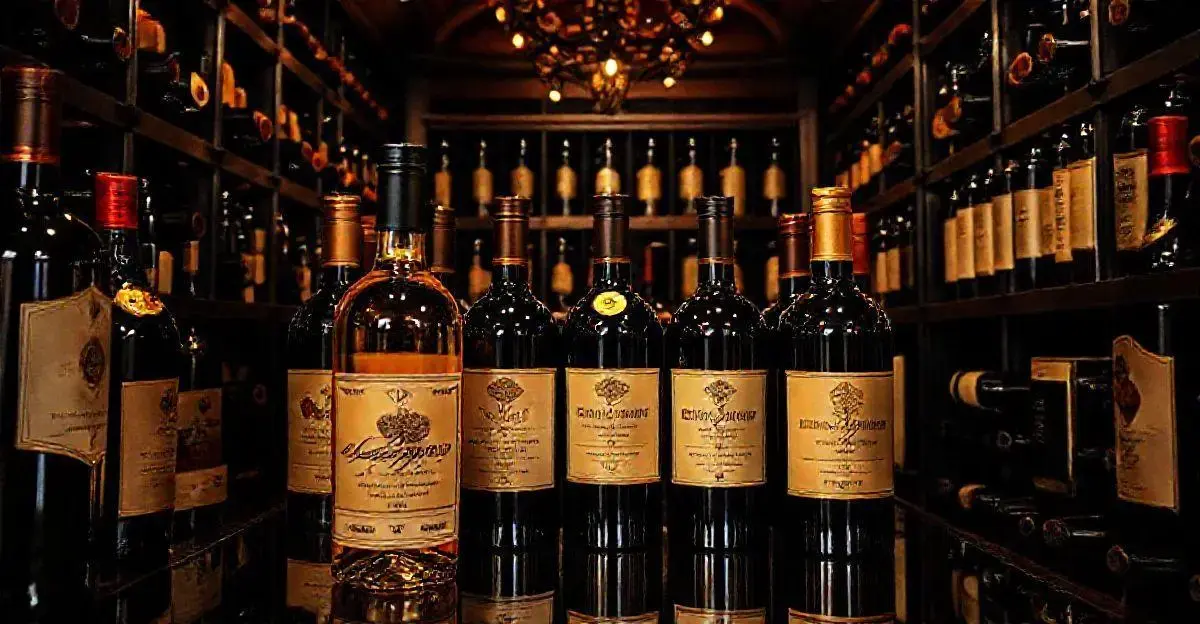
The world of fine wines is often associated with luxury, elegance, and exclusivity. When discussing the world’s most expensive wines, it becomes clear that these selections are not just beverages but rather crafted experiences that reflect centuries of tradition and sophistication. The price tag attached to these wines often encompasses their history, rarity, and the terroir from which they originate.
One significant factor contributing to the exorbitant costs is the vineyard’s location. Regions such as Bordeaux, Burgundy, and Napa Valley are renowned for producing premium wines that consistently fetch high prices at auctions. The unique climate and soil characteristics of these areas create ideal conditions for viticulture, resulting in wines with distinctive flavors and complexities that are hard to replicate.
Another aspect to consider is the limited availability of the world’s most expensive wines. Many of these wines are produced in small quantities, making them highly sought after by collectors and connoisseurs. The exclusivity of owning a bottle from a rare vintage significantly enhances its value in the market, leading to astonishing auction prices that can skyrocket into the tens of thousands or even hundreds of thousands of dollars.
Additionally, the reputation of the winery plays a crucial role. Established producers with a long history of excellence, such as Château Lafite Rothschild or Domaine de la Romanée-Conti, are often featured in the discussions surrounding the world’s most expensive wines. These names evoke prestige and trust, allowing their wines to maintain high values over time.
Finally, the investment aspect cannot be overlooked. Many enthusiasts view these wines as tangible assets, similar to art or real estate. As a result, bottles can appreciate over time, making them attractive to investors. This phenomenon contributes further to the climbing prices associated with the world’s most expensive wines, influencing both the market and modern wine culture.
Top Examples of the World’s Most Expensive Wines
When it comes to identifying the world’s most expensive wines, certain bottles have achieved legendary status. One notable example is the 1945 Domaine de la Romanée-Conti, which was sold for nearly $558,000 at auction. This wine, hailing from one of France’s most prestigious vineyards, is incredibly rare, with only a few bottles produced in that vintage year.
Another remarkable wine is the Screaming Eagle Cabernet Sauvignon from Napa Valley. With prices reaching upwards of $500,000, this wine is not only celebrated for its quality but also its cult status among collectors. The winery’s limited production and the incredible acclaim it has received from critics contribute significantly to its high price tag.
The 1907 Heidsieck Champagne is another heavy hitter in the auction scene. Discovered in a shipwreck, bottles of this champagne have sold for more than $275,000. Its unique history, coupled with its rich flavor profile, makes it a coveted item for collectors and a perfect example of the world’s most expensive wines.
In addition to these, the 1982 Château Lafite Rothschild has also made headlines, with bottles selling for over $20,000. The allure of this Bordeaux wine lies in its exquisite taste and the prestige of the Château itself, ensuring its place among the world’s most expensive wines.
These examples illustrate how various factors, such as rarity, historical significance, and reputation, all intertwine to create a marketplace for the world’s most expensive wines. Each bottle tells a story, capturing the essence of a specific time, place, and skill that goes into every vintage.
Reasons Behind the High Prices of Fine Wines
The prices of fine wines, particularly the world’s most expensive wines, can be attributed to various factors. First, wine production is a painstaking process that requires precise conditions, careful vineyard management, and skilled crafting techniques. These factors ultimately contribute to the elevated costs associated with fine wine.
Secondly, the aging process is vital for producing premium wines. Many of the most expensive wines are aged for years, if not decades, before they’re bottled. This extended maturation allows the flavors to develop complexity and depth, significantly enhancing their overall quality and market value.
Additionally, the marketing and branding of the world’s most expensive wines play a significant role in their pricing. The narratives around each bottle, including the vineyard’s history, the winemaker’s expertise, and the wine’s accolades, are carefully crafted to entice consumers. This branding often justifies the steep prices and positions these wines as luxury commodities.
The global wine auction market also influences the value of the world’s most expensive wines. Auction houses cater to affluent collectors looking to invest in high-end wines, which can drive prices up significantly when bidders compete for rare bottles. The excitement of auction events adds a layer of exclusivity and urgency, further contributing to high prices.
Finally, consumer psychology plays a role in the wine market. Many buyers associate high prices with superior quality, leading them to seek out higher-priced wines under the belief that they will have better taste experiences. This perception, coupled with the previously mentioned factors, cements the status of the world’s most expensive wines within both the culinary and investment landscapes.
Collecting as an Investment: The World’s Most Expensive Wines
Collecting fine wines, particularly the world’s most expensive wines, has emerged as a popular investment strategy among high-net-worth individuals. This practice not only reflects a passion for fine dining and oenology but also acts as a hedge against market volatility.
One of the primary reasons enthusiasts invest in high-end wines is the potential for appreciation over time. Some rare bottles have been known to double or triple in value within a few years. Understanding the factors that contribute to a wine’s market value is essential for successful collecting. Factors such as the wine’s vintage, its region of origin, and the reputation of the winery must be taken into account.
Additionally, creating a diverse wine portfolio featuring the world’s most expensive wines can mitigate risks. Collectors often target a range of wines from different regions, years, and varietals to weather market fluctuations. This strategy can enhance returns while ensuring that the collection remains appealing to potential buyers.
It’s crucial for collectors to store wines correctly to maintain their quality and value. Proper storage involves keeping bottles in a climate-controlled environment with stable temperatures and humidity levels. Doing so ensures that the wine continues to develop favorably as it ages, ultimately leading to higher market prices.
Lastly, engaging with experts in the wine field can provide valuable insights into the market. Whether they’re auction house specialists or experienced sommeliers, their knowledge can guide collectors toward making informed purchasing decisions that align with investment goals while expanding their appreciation for the world’s most expensive wines.
The Future of the World’s Most Expensive Wines
As we look ahead, the future of the world’s most expensive wines seems promising yet complex. Several trends are shaping this landscape, influencing both production and market dynamics. The first is the increasing demand for premium wines from emerging markets. Asia, particularly China, has seen a surge in wine consumption, leading to competitive bidding at auctions and driving prices higher.
Additionally, climate change poses challenges to wine producers worldwide. Shifting weather patterns and extreme conditions can affect grape yields and quality. Consequently, wineries may begin to adapt their practices to ensure consistency in their premium offerings, which could impact the availability and pricing of high-end wines.
Furthermore, the preference for sustainable and organic practices has gained traction among wine consumers. Producers who embrace these practices are likely to be rewarded with a solid market reputation, enhancing the value of their wines as collectors seek eco-friendly options. This shift may also lead to increased competition among wineries to showcase their sustainability efforts.
Technological advancements in winemaking and distribution are changing how fine wines are produced, marketed, and sold. Innovations such as precision viticulture and improved shipping technologies can enhance quality and broaden accessibility, impacting the pricing structure of the world’s most expensive wines.
In conclusion, the interplay of these factors will undoubtedly shape the future of wine collecting and investing, ensuring that the world’s most expensive wines continue to captivate the interest of enthusiasts and collectors alike.
conclusão
In summary, exploring the world of the world’s most expensive wines reveals a captivating blend of historical significance, rarity, and craftsmanship. Each bottle embodies not just a liquid experience but a narrative that transcends time and geography. From esteemed regions such as Bordeaux and Napa Valley to legendary wines like the 1945 Domaine de la Romanée-Conti, the intrinsic value of these wines stems from their unique terroir, meticulous production processes, and the storied reputations of their producers. This understanding opens a window into why certain wines can command staggering prices at auctions and among collectors.
Moreover, the factors that lead to high prices are multifaceted. Limited availability, meticulous aging processes, and the effective marketing of these prized wines all contribute significantly to their desirability and market value. As collectors perceive these wines as investments, they are often viewed as pieces of art, leading to a competitive market driven by passion and prestige. Proper storage and informed decision-making further enhance a collector’s potential for a fruitful investment journey in the fine wine domain.
Looking ahead, the future of the world’s most expensive wines presents both challenges and opportunities. The growing interest from emerging markets and the shift towards sustainable winemaking practices may redefine the landscape. Climate change remains a pressing concern, influencing both production and consumption patterns. By embracing innovation and sustainability, wineries may navigate these changes while continuing to captivate collectors and enthusiasts alike. Ultimately, the world of fine wines will undoubtedly remain a realm of elegance, providing continued allure for those willing to explore its depths.