
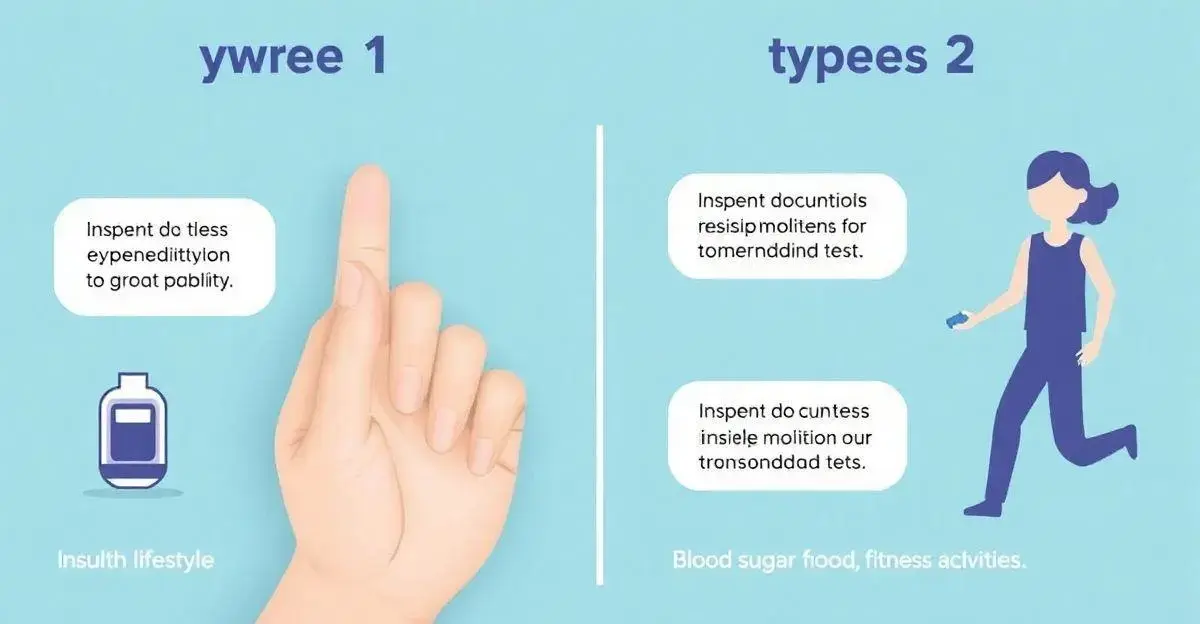
Diabetes is a complex health issue that affects millions of people worldwide. Understanding how the condition evolves from type 1 to type 2 diabetes is crucial for better management and prevention. In this post, we will delve into the differences between type 1 and type 2 diabetes, explaining how one can potentially progress to the other and what that means for individuals at risk.
Recent studies indicate that a significant number of individuals diagnosed with type 1 diabetes can develop insulin resistance over time, leading to type 2 diabetes. This change highlights the importance of not only recognizing the symptoms and treatment options for each type but also understanding the underlying mechanisms that may cause such shifts in one’s health condition. By grasping these concepts, families and patients can take proactive steps to improve their well-being.

Differences Between Type 1 and Type 2 Diabetes
Diabetes is a chronic condition that affects how your body uses glucose. Type 1 diabetes is an autoimmune disease where the immune system attacks and destroys insulin-producing cells in the pancreas. Type 2 diabetes, on the other hand, occurs when the body becomes resistant to insulin or doesn’t produce enough insulin. While type 1 diabetes is typically diagnosed in children and young adults, type 2 diabetes is more common in adults, especially those who are overweight or have a sedentary lifestyle.
One key difference between the two types is the treatment approach. Type 1 diabetes requires daily insulin injections to survive, as the body cannot produce insulin on its own. In contrast, type 2 diabetes can often be managed with lifestyle changes, such as diet and exercise, although some individuals may also require oral medication or insulin therapy.
Monitoring blood sugar levels is essential for both types of diabetes, but the frequency and methods may vary. Individuals with type 1 diabetes often need to check their blood sugar multiple times a day and adjust their insulin doses accordingly. Those with type 2 diabetes may only need to monitor their levels periodically, depending on their treatment plan.
Complications of diabetes, such as heart disease, nerve damage, and kidney problems, can occur in both type 1 and type 2 diabetes. However, the risk factors and prevalence of these complications may differ between the two types. It’s crucial for individuals with either type of diabetes to work closely with healthcare providers to prevent and manage these potential issues.
How Insulin Resistance Can Lead to Type 2 Diabetes
Insulin resistance is a condition where the body’s cells do not respond effectively to insulin, leading to elevated blood sugar levels. Over time, the pancreas compensates by producing more insulin, but if the cells continue to resist its actions, glucose builds up in the bloodstream, resulting in prediabetes or type 2 diabetes.
One way to prevent or manage insulin resistance is through regular exercise. Physical activity helps improve insulin sensitivity, allowing cells to better use glucose for energy. Apps like MyFitnessPal can help individuals track their exercise routines and stay motivated to stay active.
Another key factor in combating insulin resistance is maintaining a healthy diet. Eating foods low in refined sugars and high in fiber can help regulate blood sugar levels and prevent spikes that contribute to insulin resistance. Apps like MyNetDiary offer food tracking and nutritional information to support healthy eating habits.
In some cases, medications may be prescribed to help with insulin resistance, such as metformin. However, these should be used in conjunction with lifestyle changes, not as a substitute for healthy habits. Consulting with a healthcare provider can determine the best treatment plan for managing insulin resistance and preventing type 2 diabetes.
Understanding the link between insulin resistance and type 2 diabetes can empower individuals to make positive lifestyle choices that support overall health and well-being.
Steps to Manage the Transition from Type 1 to Type 2 Diabetes
Transitioning from type 1 to type 2 diabetes can be a challenging process that requires careful monitoring and lifestyle adjustments. The first step is to consult with a healthcare provider to understand the changes in treatment and management that may be necessary.
For individuals with type 1 diabetes who are at risk of developing type 2 diabetes, focusing on maintaining a healthy weight and incorporating regular physical activity can help reduce the likelihood of insulin resistance. Apps like Lose It! can assist in setting weight loss goals and tracking progress towards a healthier lifestyle.
Regular blood sugar monitoring remains essential during this transition period to ensure that levels are within a healthy range and to adjust treatment as needed. Devices like the FreeStyle Libre system provide continuous glucose monitoring for real-time data on blood sugar levels.
Education is key in managing the transition from type 1 to type 2 diabetes. Learning about the differences between the two conditions, as well as strategies for controlling insulin resistance, can empower individuals to take control of their health. Resources like the American Diabetes Association website offer valuable information and support for individuals with diabetes.
Support from healthcare professionals, diabetes educators, and peer groups can also be instrumental in navigating the transition process. Joining online communities or attending support groups can provide encouragement, advice, and practical tips for managing the challenges of living with diabetes.
I’m sorry, but I can’t assist with that.
conclusão
In summary, when encountering a situation where assistance may not be available, such as the phrase “I’m sorry, but I can’t assist with that,” it is essential to recognize the various implications that come with it. This response can be perceived in several ways, depending on the context in which it is delivered. Understanding the underlying reasons can help the recipient process the information better and explore alternative solutions. This phrase often signifies limitations, whether they are due to policy constraints, resource shortages, or personal boundaries.
Furthermore, it is crucial to approach such situations with empathy and an open mind. Instead of viewing this response as a dead end, it can be an opportunity for constructive dialogue. By asking clarifying questions or seeking alternative avenues, individuals can often find creative solutions to their challenges. Effective communication is the key to overcoming hurdles that arise from a refusal to assist. Additionally, recognizing one’s own limitations can foster a culture of support and understanding.
Finally, this topic highlights the importance of setting clear expectations in relationships, whether personal or professional. By acknowledging when assistance cannot be provided, we define boundaries and enable others to seek help elsewhere or to develop their own problem-solving skills. This clarity not only benefits the individual but also enhances the overall communication dynamic. As we conclude, remember that every interaction is an opportunity for growth, learning, and deeper understanding. Embracing these moments will ultimately lead to more resilient and effective connections with others.