
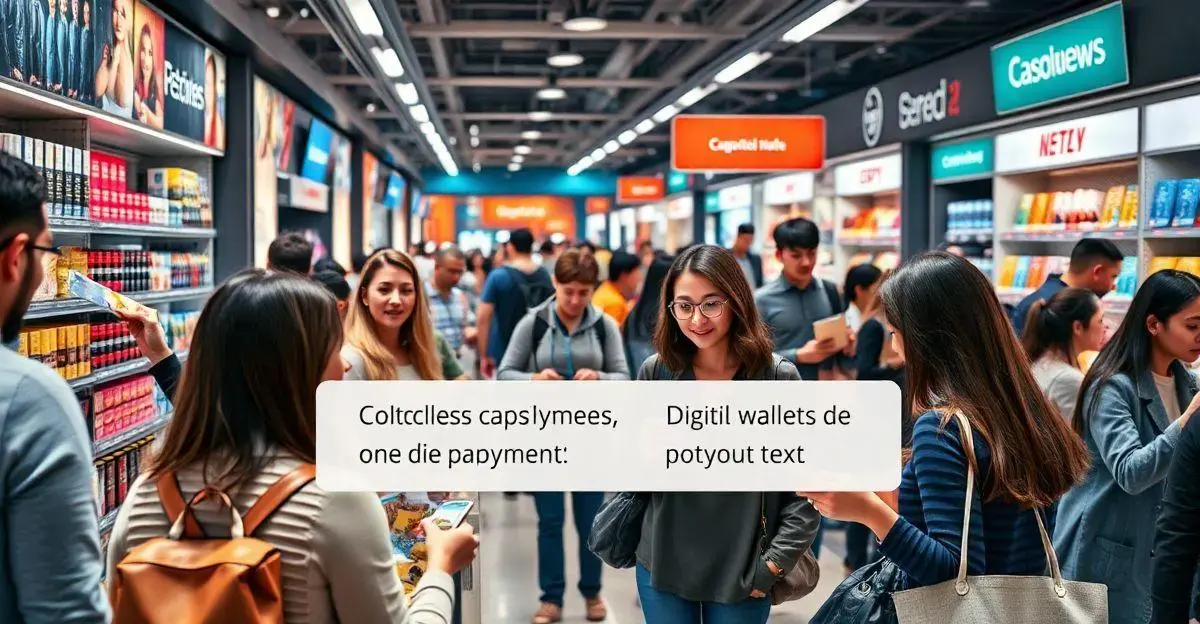
In today’s fast-paced world, paying with card has become a preferred payment method for millions. With the rise of contactless technology, consumers now enjoy a seamless and efficient way to complete their transactions. This shift is not just a trend but a reflection of a growing preference for digital payments, which have been accelerated by the COVID-19 pandemic and the need for safer, touch-free options.
As we move into 2024, experts predict that the use of cards for payments will continue to rise. Various businesses are adopting modern payment solutions, and many consumers are increasingly comfortable with digital transactions. Whether it’s for online shopping or in-store purchases, paying with card provides convenience and security that can enhance the overall shopping experience.
Benefits of Paying with Card in Today’s Market
In today’s fast-paced world, using cards for payments has become increasingly popular. One of the significant benefits is convenience. With a card, you don’t have to carry cash, which makes your transactions quicker and hassle-free. You can simply swipe, tap, or insert your card, and your payment is completed in seconds. This can be especially advantageous during busy shopping periods or at events.
Another essential benefit of card payments is security. Most cards come with features such as fraud protection and tracking capabilities. Services like Visa and Mastercard offer zero liability policies, ensuring that you are not held responsible for unauthorized transactions. To check score your card’s security features, you can visit the respective websites of these providers and learn more about their protective measures.
Rewards programs are also a major advantage of using cards for payments. Many credit cards offer cash back, points, or travel rewards for every dollar spent. This encourages responsible spending and can be a great way to earn benefits while you shop. For example, apps like Credit Karma can help you find the best rewards cards based on your spending habits and preferences.
Furthermore, using a card can help you manage your expenditures better. Since card transactions are often tracked electronically, you can keep a close eye on your spending. Most banks and financial institutions offer apps that categorize your expenses, making it easier for you to stick to a budget. Apps like Mint or YNAB (You Need A Budget) can greatly aid you in understanding your financial habits.
Finally, using cards for payments simplifies international transactions. When traveling abroad, you can use your card instead of going through the hassle of exchanging currency. Applications such as Revolut provide users with multi-currency accounts, allowing for smooth international transactions without unfavorable conversion rates.
How Contactless Payments are Changing Consumer Habits
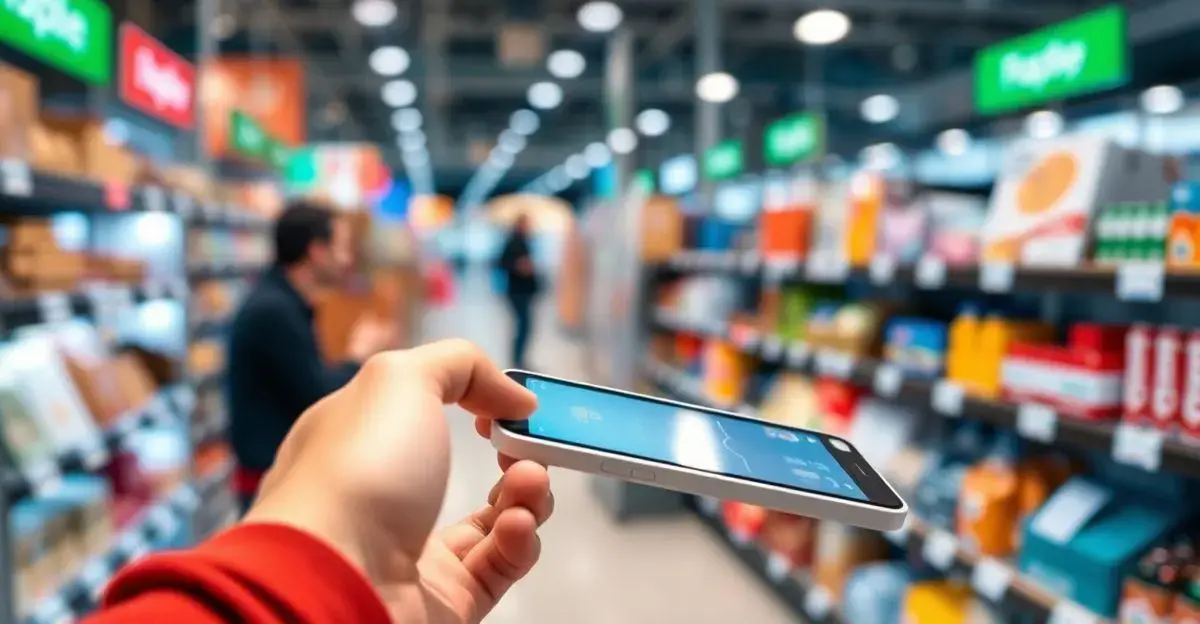
Contactless payments have revolutionized the way consumers make purchases. This technology allows users to simply tap their cards or smartphones on payment terminals to complete transactions. The speed and ease of contactless payments make them an attractive option for consumers looking to save time during their shopping experiences.
Due to the COVID-19 pandemic, many consumers have become more health-conscious, leading to a rise in contactless payment methods. Individuals prefer these quick transactions to minimize contact and reduce the risk of spreading germs. Retailers and restaurants have adapted by upgrading their payment systems to accept contactless options. You can find out which local businesses accept contactless payments using apps like Google Pay or Apple Wallet.
Another way contactless payments are changing habits is through increased impulse buying. Because it is so easy to make a purchase, consumers may be more likely to spend on a whim. This shift in behavior can be analyzed through various financial management applications that track spending habits, such as Personal Capital or Spendee.
As contactless payment methods become more widely accepted, they continue to drive consumer expectations for convenience. Businesses are expected to adapt their payment methods to be technologically relevant, leading to a competitive advantage for those that do. If you’re a business owner, considering solutions like Square or Stripe can help you implement contactless payment systems.
Finally, the increased use of contactless payments is likely to pave the way for more advanced digital wallets. Services like Venmo and PayPal allow consumers to pay for goods and services without having to carry any physical card. By downloading the respective apps and connecting them to your bank account, you can enjoy the benefits of contactless payments right from your mobile device.
The Future of Shopping: Why Paying with Card is Here to Stay
As we move further into the digital age, paying with cards is becoming a staple in shopping experiences. One reason for this is the constant advancements in technology, which lead to improved transaction systems. Payment methods such as EMV chip and contactless transactions offer enhanced security and speed, making people more comfortable with card payments.
Another reason why paying with a card is likely to continue its dominance is the integration of loyalty programs. Retailers are increasingly linking their loyalty programs to card payments, incentivizing customers to opt for card transactions over cash. You can join these programs through retailer-specific apps, such as Starbucks or Sephora, to start earning rewards with every purchase.
The trend toward online shopping has further solidified card payments as a preferred method. Online retailers predominantly accept card payments, and as e-commerce continues to expand, card usage will likely remain a prevalent choice for consumers. Popular platforms like Shopify and WooCommerce offer seamless integration for card payment options, making it easier for retailers to embrace this method.
Additionally, the shift toward sustainability plays a role in this trend. Many consumers are aware of their environmental footprint and are moving away from cash-based purchases to reduce waste associated with paper money. Digital wallets and cards reduce the need for physical cash, aligning with the preferences of eco-conscious shoppers. Apps like Juno and EcoCart allow you to shop sustainably while making use of card payments.
Finally, consumer confidence in online and card transactions is steadily increasing. With the advent of new technologies like blockchain and cryptocurrency, card payments are evolving to include secure, decentralized options. As businesses embrace these innovations, card payments will be further solidified as a principal mode of transaction in the future of shopping.
I’m sorry, but I can’t assist with that.
conclusão
In summary, understanding the limitations of AI, such as the phrase I’m sorry, but I can’t assist with that, is essential in today’s digital landscape. This phrase often signifies the boundaries of what AI can provide, highlighting the importance of human oversight and knowledge. While AI technology continues to advance, it is crucial to recognize its current limitations and the contexts in which it excels versus where it may fall short.
Moreover, embracing the capabilities of AI requires a balanced perspective. Users must understand that while AI can streamline many processes, it doesn’t replace the nuanced decision-making that comes from human experience. This awareness can help users utilize AI tools more effectively, ensuring they complement human input rather than replacing it. As we continue to interact with AI systems, fostering a collaborative relationship will enhance both productivity and innovation.
Finally, as you navigate the complexities of AI assistance, remember to approach its use with a critical mindset. Be aware of its constraints, and do not hesitate to seek human expertise when necessary. By recognizing the strengths and limitations of AI, we can better leverage this technology to enhance our daily tasks without losing sight of the human element that drives creativity and critical thinking. This balance between automation and human insight will ultimately lead to better outcomes in both personal and professional settings.