
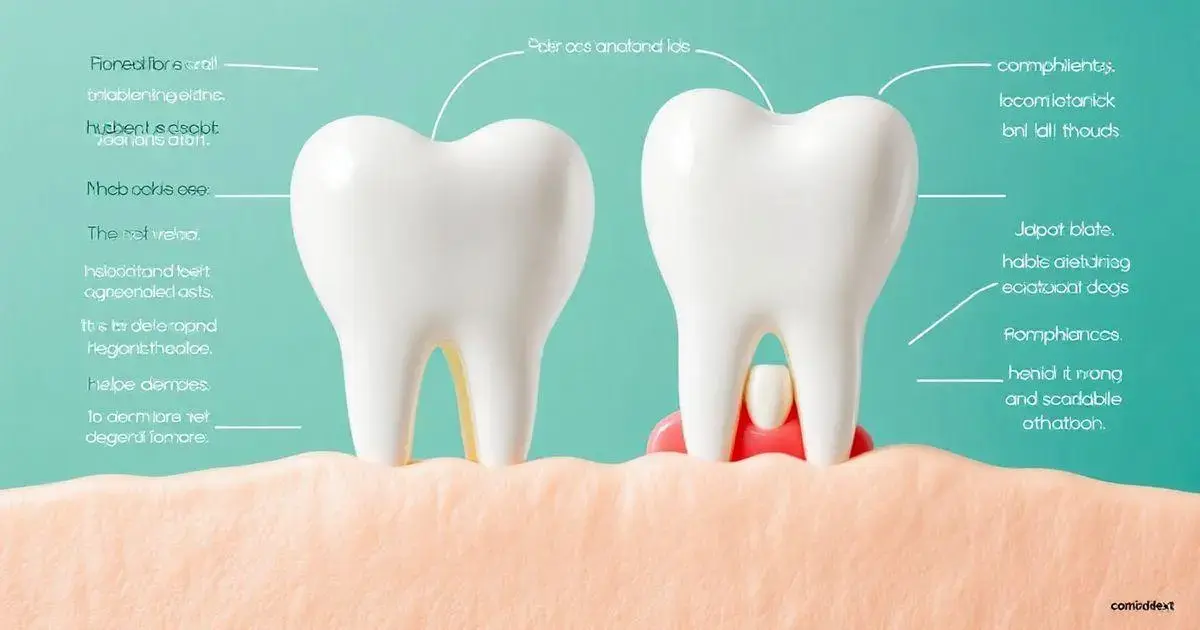
Are you curious about the connection between your teeth and gums? Discover the crucial link that binds them in this informative blog post. Explore the intricate relationship between oral health and overall well-being, and how taking care of one impacts the other.
Learn about the signs of a healthy mouth, common gum issues, and how dental hygiene plays a vital role in maintaining a beautiful smile. Dive into this insightful read to uncover the interconnectedness of your teeth and gums.
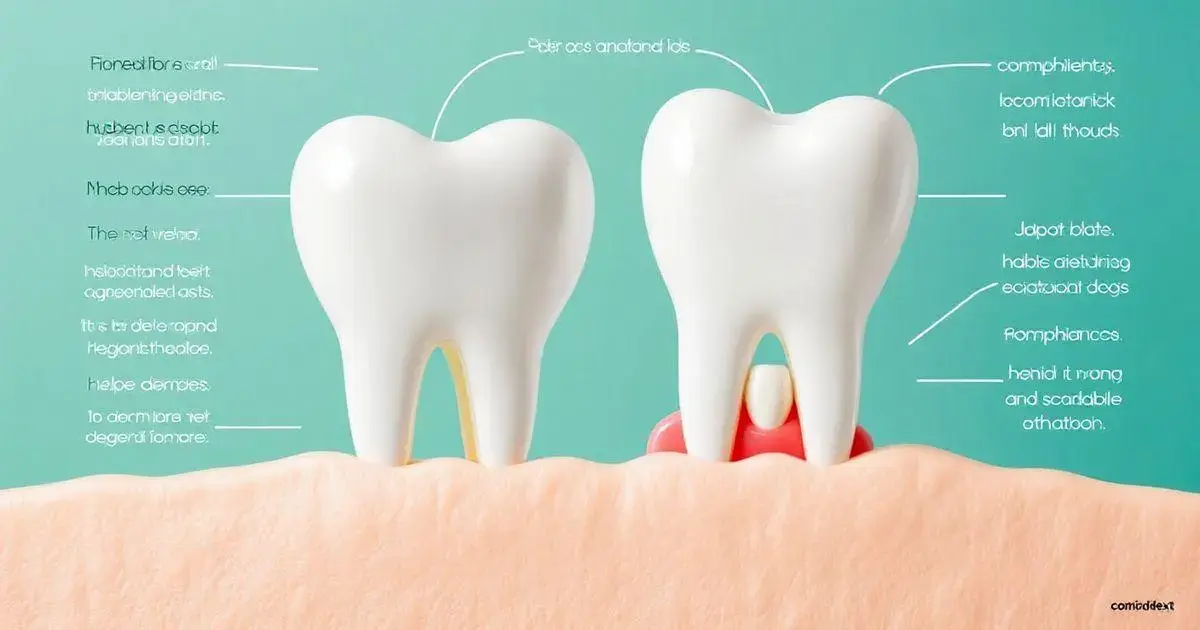
Understanding the Relationship between Teeth and Gums
The Importance of Dental Health
Understanding the crucial relationship between teeth and gums is essential for maintaining overall oral health. Proper dental care is vital to prevent common issues such as gum disease, cavities, and tooth decay. To learn more about this topic, visit reputable dental health websites like the American Dental Association (ADA) at https://www.ada.org.
Regular Dental Check-Ups
To ensure healthy teeth and gums, it is recommended to visit your dentist at least twice a year for routine check-ups and cleanings. These visits can help detect early signs of dental problems and prevent complications. Consider using dental apps like MyDentist for appointment reminders and tracking your oral health progress.
Effective Oral Hygiene Practices
Proper oral hygiene habits, such as brushing twice a day, flossing regularly, and using mouthwash, are crucial for maintaining the relationship between teeth and gums. Apps like Brush DJ can help create a fun and effective brushing routine by playing music for the recommended two minutes.
Diet and Its Impact on Oral Health
Your diet plays a significant role in the health of your teeth and gums. Consuming sugary and acidic foods and drinks can contribute to dental issues. Consider tracking your diet with apps like MyFitnessPal to ensure you are making healthy choices that benefit your oral health.
Seeking Professional Advice
If you experience any unusual symptoms or changes in your oral health, it is crucial to seek advice from a dental professional. Websites like WebMD’s dental health section (https://www.webmd.com/oral-health/default.htm) offer valuable information and resources on various dental topics to help you better understand the relationship between teeth and gums.
The Impact of Oral Hygiene on Dental Health
Proper Brushing and Flossing Techniques
Good oral hygiene practices, such as using the right brushing and flossing techniques, are essential for maintaining optimal dental health. Websites like Colgate’s oral care center (https://www.colgate.com/en-us/oral-health) provide helpful resources on proper oral hygiene methods.
Choosing the Right Oral Care Products
Selecting the right toothpaste, toothbrush, and mouthwash can significantly impact your oral hygiene. Websites like Oral-B’s product guide (https://oralb.com/en-us/product-collections) offer insights into choosing the best oral care products for your specific needs.
The Role of Regular Dental Visits
Scheduling regular dental check-ups and cleanings can prevent oral health issues and ensure early detection of potential problems. Websites like Delta Dental’s oral health library (https://www.deltadentalins.com/oral_health/index.html) provide comprehensive information on the importance of regular dental visits.
Effects of Poor Oral Hygiene
Neglecting oral hygiene can lead to various dental problems, including gum disease, cavities, and bad breath. Understanding the consequences of poor oral hygiene can motivate individuals to prioritize their dental health. Websites like Mayo Clinic’s oral health section (https://www.mayoclinic.org/healthy-lifestyle/adult-health/expert-answers/dental/faq-20058475) offer valuable insights into the effects of inadequate oral care.
Implementing Healthy Habits
Incorporating healthy habits into your daily routine, such as eating a balanced diet, staying hydrated, and avoiding tobacco products, can contribute to better oral hygiene and overall dental health. Websites like ADA’s MouthHealthy (https://www.mouthhealthy.org) offer tips and resources for maintaining a healthy smile.
Exploring the Link between Gum Health and Overall Well-Being
Understanding the Significance of Gum Health
Gum health is closely linked to overall well-being, as gum disease has been associated with systemic health conditions such as heart disease and diabetes. Exploring the connection between gum health and overall well-being is crucial for maintaining a healthy lifestyle. Visit the Centers for Disease Control and Prevention (CDC) website on gum disease (https://www.cdc.gov/oralhealth/conditions/gum-disease.html) for more information.
Stress Management and Oral Health
Stress can impact gum health and contribute to oral health problems such as gum disease and teeth grinding. Incorporating stress-reducing practices like meditation, exercise, and adequate sleep can positively influence gum health. Seek advice on stress management techniques from reputable sources like the National Institute of Mental Health (NIMH) at https://www.nimh.nih.gov.
The Role of Nutrition in Gum Health
A balanced diet rich in vitamins and minerals plays a crucial role in maintaining healthy gums. Foods high in antioxidants, such as fruits and vegetables, can contribute to gum health. Explore nutrition tips for gum health on websites like Harvard Health Publishing (https://www.health.harvard.edu).
Hydration and Gum Health
Proper hydration is essential for overall health, including gum health. Drinking an adequate amount of water can help wash away food particles and bacteria that can cause gum disease. Track your daily water intake using apps like WaterMinder to ensure you stay hydrated and support gum health.
Regular Exercise and Gum Health
Physical activity not only benefits your overall well-being but also contributes to gum health. Exercise can help improve blood circulation, which is vital for healthy gums. Find exercise routines and tips for gum health on reputable fitness websites like ACE Fitness (https://www.acefitness.org).
Daily Habits for Maintaining Healthy Teeth and Gums
Developing daily habits for maintaining healthy teeth and gums is crucial for overall oral health. Start by brushing your teeth at least twice a day, in the morning and before bed, using a fluoride toothpaste to help prevent cavities and gum disease. Flossing daily is also essential to remove plaque and debris between your teeth, where your toothbrush may not reach. Adding a mouthwash to your routine can further help reduce bacteria and freshen breath.
Another important habit is to monitor your diet and limit sugary and acidic foods and beverages that can erode enamel and contribute to tooth decay. Drinking plenty of water throughout the day can also help wash away food particles and bacteria. Additionally, avoid tobacco products as they can stain your teeth, lead to gum disease, and increase the risk of oral cancer.
Regular visits to your dentist for check-ups and professional cleanings are key to maintaining healthy teeth and gums. Your dentist can identify early signs of dental issues and provide appropriate treatment, helping to prevent more serious problems in the future. Following your dentist’s recommendations for treatment and oral care at home is essential for long-term oral health.
Lastly, be mindful of any changes in your oral health, such as bleeding gums, persistent bad breath, or tooth sensitivity. Addressing these issues promptly with your dentist can prevent further complications and maintain the health of your teeth and gums.
The Importance of Regular Dental Check-ups
Scheduling regular dental check-ups is essential for ensuring the health of your teeth and gums. During these appointments, your dentist will perform a thorough examination of your mouth, including checking for cavities, gum disease, and other oral health issues. Professional cleanings help remove plaque and tartar buildup that cannot be removed through regular brushing and flossing.
Regular dental check-ups also allow your dentist to detect any potential problems early on, preventing them from progressing into more severe conditions that may require extensive treatment. Your dentist may also recommend X-rays to identify hidden issues such as cavities between teeth or impacted wisdom teeth.
Moreover, dental check-ups are an opportunity to discuss any concerns or questions you may have about your oral health with your dentist. They can provide valuable advice on maintaining good oral hygiene practices, such as proper brushing and flossing techniques, as well as customized recommendations based on your specific dental needs.
By prioritizing regular dental check-ups, you are investing in the long-term health of your teeth and gums, ensuring a confident smile and overall well-being. Remember that prevention is always better than cure when it comes to oral health, and regular check-ups play a vital role in safeguarding your oral hygiene.
Nutritional Tips for Stronger Teeth and Healthier Gums
Adopting a diet that promotes stronger teeth and healthier gums is essential for optimal oral health. Include foods rich in calcium, such as dairy products, leafy greens, and almonds, to support strong teeth and bones. Vitamin C-rich foods like oranges, bell peppers, and strawberries can help maintain healthy gums and prevent gum disease.
Eating crunchy fruits and vegetables like apples and carrots can naturally clean teeth and stimulate saliva production, which helps neutralize acids and protect against cavities. Foods high in antioxidants, such as berries and nuts, can also benefit oral health by reducing inflammation and fighting bacteria that cause gum disease.
Avoiding excessive consumption of sugary and starchy foods is crucial, as they can contribute to tooth decay and gum inflammation. Instead, opt for sugar-free gum or cheese after meals to help stimulate saliva flow and wash away food particles. Drinking green tea can also promote oral health due to its antimicrobial properties and potential to reduce plaque formation.
Remember to stay hydrated by drinking water throughout the day, as it helps rinse away food debris and bacteria that can lead to oral issues. By incorporating these nutritional tips into your diet, you can enhance the strength of your teeth and gums, supporting long-term oral health and a radiant smile.
**
Conclusion
**
In conclusion, understanding the critical relationship between teeth and gums is fundamental for maintaining optimal oral health. By emphasizing proper dental care, including regular check-ups, effective oral hygiene practices, and a balanced diet, individuals can prevent common issues like gum disease and tooth decay. Seeking professional advice and staying informed through reputable sources further enhances dental health awareness.
The Impact of Oral Hygiene
Good oral hygiene practices, such as proper brushing and flossing techniques, along with selecting the right oral care products, are essential for overall dental health. Regular dental visits play a crucial role in early detection and prevention of oral issues, underscoring the importance of consistent oral care habits.
Exploring Gum Health and Overall Well-Being
Gum health is interconnected with overall well-being, highlighting the importance of stress management, nutrition, hydration, and regular exercise in maintaining healthy gums. By adopting a holistic approach to oral and general health, individuals can support their well-being and prevent systemic conditions linked to gum disease.
Advocating Daily Habits for Dental Health
Developing daily routines such as proper brushing, flossing, monitoring diet, and avoiding harmful habits like tobacco use, in addition to scheduling regular dental check-ups, are key to sustaining healthy teeth and gums. These habits, coupled with prompt attention to any oral health changes, contribute to long-term dental well-being and a confident smile.