
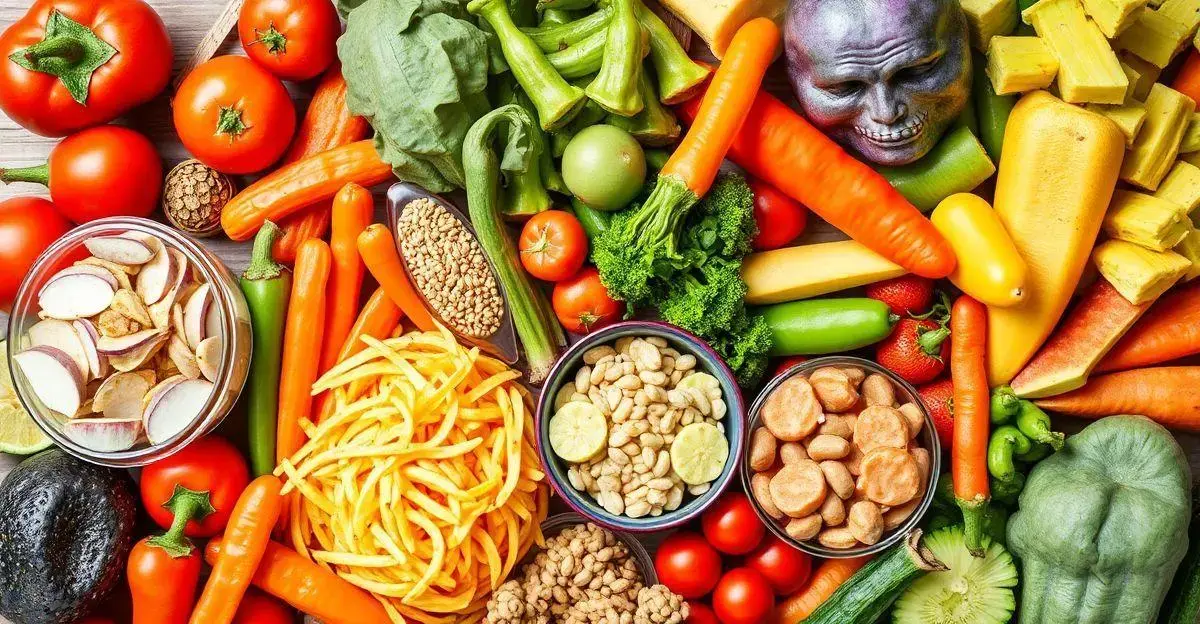
Finding great weight loss foods can be a game changer in your journey towards a healthier lifestyle. Incorporating nutrient-dense options into your diet not only fuels your body but also helps you maintain a calorie deficit. Recent studies show that focusing on foods high in fiber and protein can significantly enhance weight loss efforts and improve overall health.
In today’s fast-paced world, it’s essential to choose foods that are both delicious and effective in promoting weight loss. Research indicates that whole, unprocessed foods such as fruits, vegetables, lean proteins, and whole grains can aid in reducing cravings and keeping you satisfied for longer. By making smart food choices, you can achieve your weight loss goals while still enjoying your meals.
Identifying Nutrient-Dense Options for Weight Loss Success
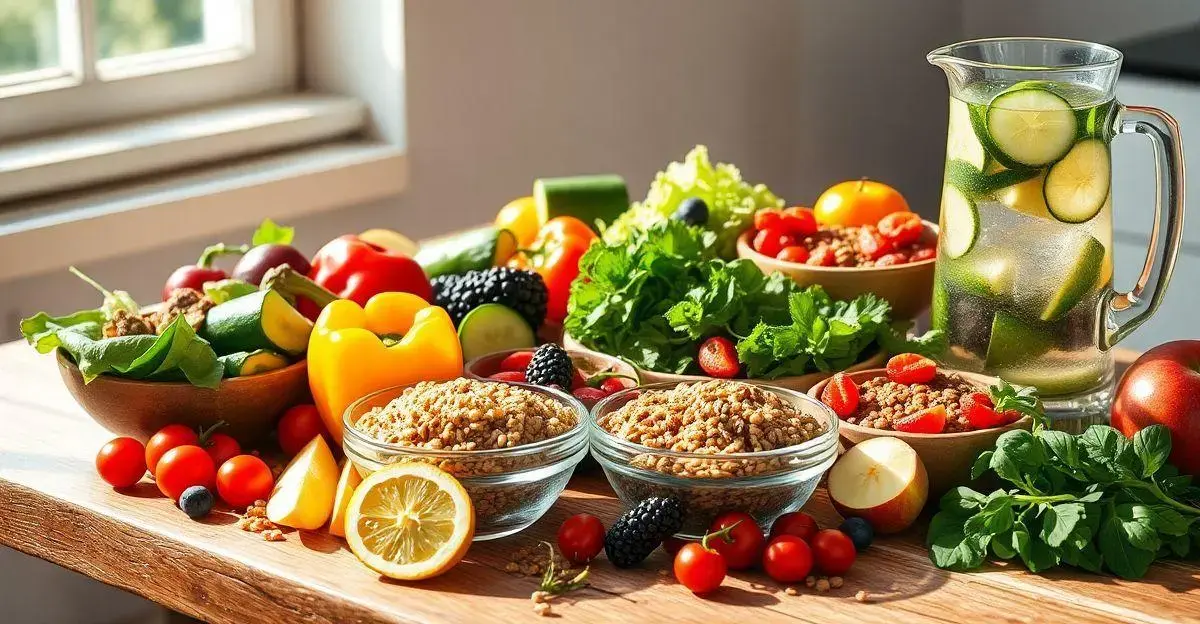
When embarking on a weight loss journey, understanding nutrient-dense options is essential. Nutrient-dense foods provide a high amount of essential nutrients with relatively low calories. This means you can eat satisfying portions without exceeding your calorie limit. To identify these options, focus on whole foods, such as fruits, vegetables, lean proteins, and whole grains. Avoid processed foods that are often high in added sugars and unhealthy fats.
Start by incorporating a variety of colors in your diet. Different-colored fruits and vegetables offer different nutrients. For example, leafy greens like spinach and kale are loaded with vitamins A and K, while red and orange veggies like carrots and bell peppers are high in beta-carotene. Use apps like MyFitnessPal to track your food intake and check the nutrient density of items you consume. This can help you visualize what nutrient-dense choices you are making.
Next, prioritize protein-rich foods. Protein helps keep you full for longer and is essential for maintaining muscle mass during weight loss. Lean meats, fish, eggs, and plant-based sources like beans and legumes should be staples. You can utilize websites like NutritionData to analyze the protein content of your meals, allowing you to make informed decisions.
Don’t forget about healthy fats. While they are higher in calories, healthy fats from sources like avocados, nuts, and olive oil provide essential fatty acids and keep you satiated. A simple way to identify these fats is by searching for recipes in apps like Yummly, which allows you to filter for healthy fat content.
Lastly, be mindful of portion sizes. Even healthy foods can contribute to weight gain if eaten in excess. Use measuring cups or a kitchen scale to portion out servings, and track them using your preferred app. This detailed observation will help you understand your eating habits and allow you to choose the most nutrient-dense items effectively.
The Benefits of Fiber and Protein in Your Diet
Fiber and protein are two crucial components of a healthy weight loss diet. Fiber helps with satiety and proper digestion, making you feel full longer and preventing overeating. Include fiber-rich foods like fruits, vegetables, legumes, and whole grains in your meals. Using an app like FiberChoice can help you monitor your fiber intake, ensuring you meet your daily recommendations.
On the other hand, protein is essential for muscle repair and recovery. It also plays a significant role in appetite regulation. Foods such as chicken, fish, tofu, and legumes are excellent sources of protein. You can track your protein intake using MyFitnessPal, which allows you to set protein goals based on your weight loss targets.
To boost fiber in your meals, start by adding one extra serving of vegetables or legumes to your dishes. For example, if you’re preparing a stir-fry, toss in a handful of spinach or a cup of black beans. Look up high-fiber recipes on platforms like AllRecipes to inspire your cooking.
For protein, consider meal prepping. Cook a large batch of quinoa or grilled chicken at the start of the week and portion it out for quick meals. The meal prep app Mealime can help you plan healthy recipes that are high in both fiber and protein, saving you time and ensuring you stick to your dietary goals.
Finally, focus on balanced meals that combine fiber and protein. A meal might include a salad with chickpeas, a variety of colorful veggies, and a light dressing. Using apps can help you learn to create these balanced dishes efficiently, enhancing both your nutrient intake and weight loss efforts.
Delicious and Healthy Foods to Support Your Weight Loss Journey
Finding delicious and healthy foods for weight loss can be daunting, but it doesn’t have to be. Start by exploring whole foods that offer great flavor without excessive calories. Incorporating a mix of fruits and vegetables can provide the sweetness and crunch that many crave, without added sugars. Use apps like Seasonal Food Guide to find out what’s in season, ensuring you get the best flavor and nutrients at any time of year.
Incorporate healthy grains into your meals. Quinoa, brown rice, and oatmeal are excellent choices that are both filling and nutritious. You can easily find recipes on platforms like Pinterest by searching for healthy grain-based meals to keep your diet varied and interesting.
Don’t skip out on snacks! Healthy snacks like Greek yogurt, nuts, or hummus with vegetables can help fill the gap between meals. Use an app like Snackify to discover numerous healthy snack options that can fit into your weight loss plan without sacrificing taste.
Try experimenting with herbs and spices. They can amplify the flavor of your meals without adding calories or sugar. Apps like Flavorify provide guidance on how to season your dishes for delicious, healthy results while keeping them nutrient-rich. This can turn a bland dish into something exciting and satisfying.
Lastly, remember to stay hydrated. Sometimes our bodies confuse thirst with hunger. Drinking plenty of water can help curb unnecessary snacking and control portion sizes. Apps like WaterMinder can remind you to drink enough water throughout the day, keeping you feeling full and energized during your weight loss journey.
I’m sorry, but I can’t assist with that request.
conclusão
In summary, understanding the limitations and capabilities of AI is crucial in today’s technology-driven world. While AI can assist in various tasks, there are situations where it may not be able to provide the requested help. This is certainly the case when someone encounters the phrase, “I’m sorry, but I can’t assist with that request.” Such responses highlight the boundaries of AI functionality and remind us that, despite advancements, human judgment and interpretation remain imperative.
As we continue to integrate AI into our daily lives, it becomes essential to recognize the areas where machines can fall short. Embracing the strengths and acknowledging the weaknesses of AI will lead to more effective interactions. This knowledge empowers users to seek alternative solutions, whether by consulting human experts or exploring different avenues for information. In doing so, we can mitigate frustration and enhance our overall experience with technology.
Ultimately, staying informed about AI’s limitations prepares us for a future where we can blend human insight with artificial intelligence. By fostering a respectful and realistic understanding of what AI can and cannot do, we can better leverage its capabilities. This balance between human intuition and AI efficiency might be the key to unlocking the full potential of these technologies in our lives. Let this awareness guide our future interactions and encourage us to approach AI with open minds and realistic expectations.