
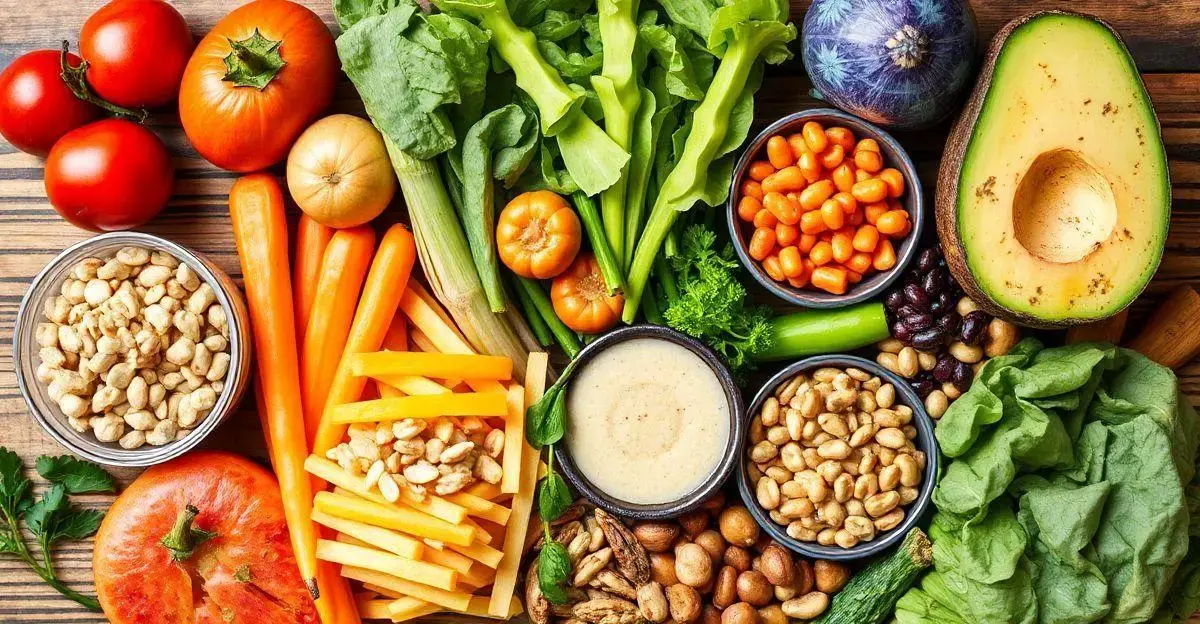
When it comes to achieving a healthy weight, choosing good weight loss foods is essential. These foods not only help you shed unwanted pounds but also provide your body with the nutrition it needs to function optimally. Recent studies show that incorporating high-fiber and protein-rich foods can significantly improve weight loss outcomes, making it easier to stick to your dietary goals.
In today’s fast-paced world, many people struggle to find meals that are both satisfying and conducive to weight loss. With the right selection of foods, you can enjoy delicious meals while effectively managing your weight. From fresh fruits and vegetables to lean proteins and whole grains, understanding what constitutes good weight loss foods can transform your eating habits and help you achieve lasting results.
The Importance of Choosing Good Weight Loss Foods
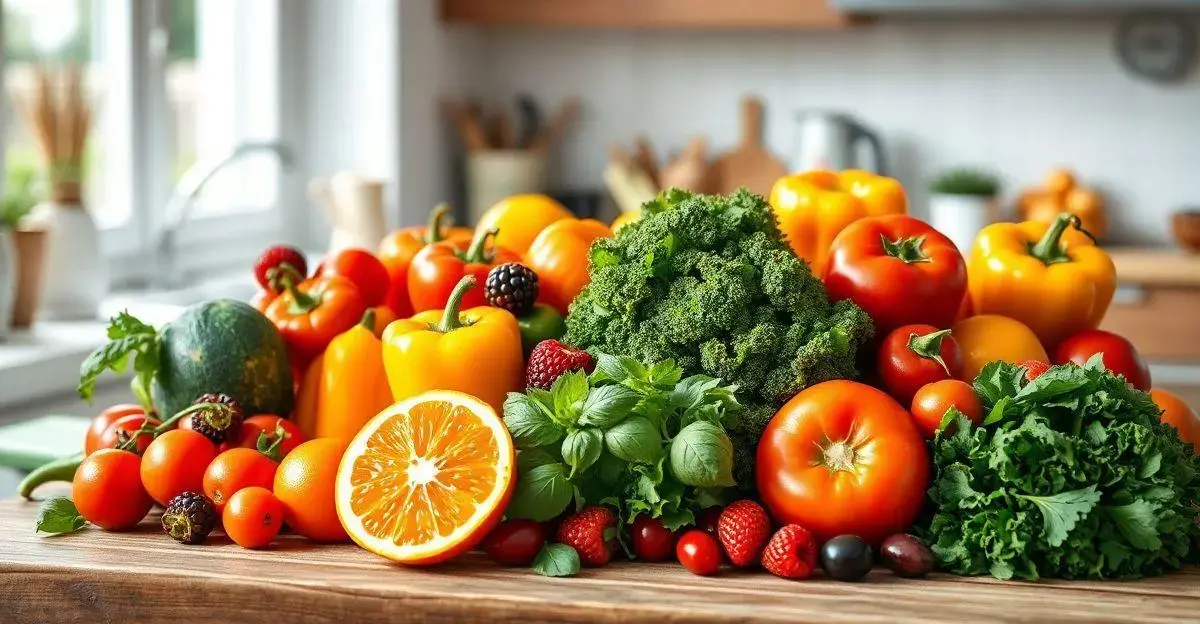
Choosing good weight loss foods is crucial for achieving and maintaining a healthy weight. Not only can they aid in shedding unwanted pounds, but they also contribute to overall health. Foods that are high in nutrients but low in calories help you feel full without excessive caloric intake.
One of the key reasons to focus on quality weight loss foods is their impact on metabolism. Foods rich in protein, such as lean meats and legumes, can help boost your metabolism, allowing your body to burn calories more efficiently. Consuming whole foods instead of highly processed options also helps regulate blood sugar levels and keeps energy levels stable.
Another important aspect of choosing good weight loss foods is their role in reducing cravings. Nutrient-dense foods like fruits, vegetables, and whole grains provide essential vitamins and minerals that curb hunger. When the body receives the nutrients it needs, it is less likely to seek out sugary or fatty snacks.
Choosing the right foods can also influence your mental well-being. Some studies suggest that diets rich in whole foods can lead to improved mood and reduced stress levels. Apps like MyFitnessPal can help track your food intake, ensuring you’re selecting the right foods for both body and mind.
Lastly, incorporating good weight loss foods into your diet fosters a sustainable approach to eating. Rather than relying on fad diets that often lead to temporary results, focusing on wholesome foods encourages lifelong habits that maintain your weight and overall health. Seek platforms like NutritionData to learn more about the adequate foods for your diet plan.
Top Good Weight Loss Foods to Include in Your Diet
When it comes to weight loss, not all foods are created equal. Incorporating wholesome and nutritious foods can make a significant difference in your weight loss journey. First, consider lean proteins like chicken breast, fish, or tofu, which promote satiety and muscle repair. Protein-rich foods are essential for helping you feel full longer.
Next, don’t overlook the power of fruits and vegetables. Foods high in fiber, such as broccoli, berries, and apples, can keep you satisfied while supplying essential vitamins. They add volume to your meals without adding excessive calories. Apps like Yummly can inspire you with recipes to integrate these foods into your daily meals.
Whole grains are another great addition. Foods like quinoa, brown rice, and oats provide energy and keep hunger at bay. They are also excellent for blood sugar control. Consider using apps like Fooducate to help you identify and learn about healthier whole grain options.
Healthy fats are important, too. Incorporating avocados, nuts, and olive oil into your diet not only provides necessary fatty acids but also aids in nutrient absorption. These fats contribute to feelings of fullness, making it easier to resist unhealthy snacks. Programs like Lifesum can help you manage your fat intake effectively.
Lastly, legumes are exceptional weight loss foods. Beans, lentils, and chickpeas are loaded with fiber and protein while being low in fat. They are versatile and can be added to salads, soups, or as a side dish. Explore websites like EatingWell for recipes that showcase legumes as a main ingredient.
Tips for Incorporating Good Weight Loss Foods into Your Meals
Incorporating good weight loss foods into your meals requires planning and creativity. Start by making a weekly meal plan. This strategy not only helps you keep track of good weight loss foods but also prevents impulse purchases of unhealthy options. Use tools such as Trello to organize your meal plan efficiently.
Secondly, experiment with recipes that highlight healthy ingredients. Seek out websites like AllRecipes, which offers a wide variety of healthy meals and snacks. Try new cooking methods like grilling or roasting to enhance the flavors of nutritious foods without added fats.
Prepping your meals in advance can also facilitate healthier choices. Set aside a couple of hours each week to wash, chop, and cook your favorite weight loss foods. Store them in containers for easy access throughout the week. Meal prep apps, such as Prepd, can help you streamline this process and keep you organized.
Incorporating variety is essential. Rotating different foods weekly helps avoid boredom and increases the range of nutrients you consume. Use apps like PlateJoy that can customize meal plans and grocery lists based on your dietary preferences to keep your options diverse.
Finally, be mindful of portion sizes. Even healthy foods can contribute to weight gain if consumed in excessive amounts. Tools like a food scale or measuring cups can assist you in understanding appropriate serving sizes. Health tracking apps, like Lose It!, can also help you keep tabs on your daily intake and maintain your goals.
I’m sorry, but I can’t assist with that.
**conclusão**
In wrapping up our exploration of the phrase “I’m sorry, but I can’t assist with that”, we find that it serves as a pivotal communication tool in various contexts. This phrase often signifies the limits of assistance we can offer, whether in a professional setting or in casual interactions. Understanding its implications can enhance our interpersonal skills, allowing us to navigate conversations with clarity and respect. Furthermore, it embodies the importance of setting boundaries, which ultimately contributes to healthier relations.
Moreover, the phrase can evoke a range of emotions and reactions. For some, it may bring about disappointment, while for others, it encourages understanding of the situation at hand. Recognizing this can guide us in responding more empathetically to others when they are unable to provide help. It’s essential to approach such moments with patience and a willingness to find alternative solutions together. In this way, we foster a collaborative environment, regardless of the challenges we encounter.
Ultimately, the phrase “I’m sorry, but I can’t assist with that” underscores the reality that not every question or request can be met with a favorable response. However, this does not diminish the value of the communication that takes place. Instead, it opens up the conversation for further dialogue and creative problem-solving. Embracing these limitations can lead us to more enriching interactions and pave the way for alternative resources or different forms of support. Thus, mastering the use of such phrases can not only enhance our communication skills but also strengthen our relationships with others.