

Finding the right healthcare provider can sometimes be challenging, especially when you need immediate assistance. One crucial contact you might need is the UnitedHealthcare phone number. This number can connect you to customer service representatives who can help answer your questions and guide you through the available services.
As of 2023, UnitedHealthcare offers a streamlined customer service experience, with representatives available to assist you with everything from claims inquiries to plan options. Having the UnitedHealthcare phone number readily available ensures that you can get the support you need in a timely manner, allowing you to focus on your health and well-being.
How to Easily Reach UnitedHealthcare Customer Support
Reaching UnitedHealthcare customer support is crucial for policyholders who need assistance with their health insurance. One of the easiest ways to contact them is through their dedicated phone line. To access this number, visit the official UnitedHealthcare website at growthpixel.online. Once there, navigate to the “Contact Us” page typically found at the bottom of the homepage.
Another effective way to connect with customer support is through the UnitedHealthcare app, which is available for both Android and iOS users. Download the app from the Google Play Store or the Apple App Store. Once installed, open the app and log in using your member credentials. Look for the ‘Help’ or ‘Contact Support’ section within the app for immediate assistance.
If you prefer to reach out via social media, consider contacting UnitedHealthcare on platforms like Twitter or Facebook. Their official accounts respond to inquiries and this can often be a quicker way to get answers. Just search for UnitedHealthcare on these platforms and send them a direct message.
Additionally, you may find that the UnitedHealthcare mobile app offers a live chat feature, allowing you to communicate directly with support representatives without making a phone call. This feature can be found in the “Support” section of the app.
For those who prefer written communication, consider sending an email or using the contact form available on their website. Make sure to include your policy details and specific questions to expedite the response process. Always check your spam folder for replies.
Benefits of Having the UnitedHealthcare Phone Number Handy
Having the UnitedHealthcare phone number readily available can save time and provide peace of mind in urgent situations. One of the main benefits is immediate access to assistance. When emergencies arise or questions about coverage come up, calling directly can yield faster responses than other methods like email.
Another advantage is the ability to speak with a live representative. While chat options and automated systems can be useful, nothing beats the clarity that comes from a person-to-person conversation. You can explain your unique situation and get personalized assistance tailored to your needs.
Furthermore, having the number can help you keep track of essential information. When you have questions about billing, claims, or benefits, calling can lead to detailed explanations that might not be as clear through written communication. UnitedHealthcare’s representatives can guide you step-by-step through your inquiries.
Staying informed is crucial in healthcare. By having the customer support number handy, you ensure that you can get updates and necessary information quickly, especially regarding changes in policies or benefits. This preparedness can help you make informed decisions.
Lastly, having the phone number means you can access additional resources. When you call, representatives often have access to member-specific tools and data that can help you with your queries, making your experience smoother and more efficient.
What to Expect When You Call the UnitedHealthcare Phone Number
When you call the UnitedHealthcare customer support number, expect to go through a series of prompts. Automated systems often help route your call to the right department. This might involve answering questions through your phone’s keypad or responding to voice prompts. To make this process smoother, have your member ID number handy.
Once connected to a representative, they will ask about your issue. It’s helpful to clearly state your question or concern to ensure they understand your needs. Take a moment to outline your issue beforehand, so you can communicate effectively.
Be prepared for a few questions regarding your personal information for verification purposes. This may include your date of birth, policy number, or other identifying details. These questions are standard practice to protect your privacy and secure your information.
During the call, the representative may put you on hold temporarily to gather information or consult with a colleague. While waiting, feel free to jot down any additional questions that may come to mind, as you want to maximize your time with them.
Lastly, once your issue is addressed, the representative will often summarize the key points discussed and any next steps. Make sure to ask for clarification on anything you do not understand. They may also offer to send a follow-up email outlining the details of the conversation, which can serve as a useful reference.
**
Understanding the Most Expensive Wines in the World
**
The world of fine wine is often perceived as a luxurious domain reserved for the elite. When discussing the “vinhos mais caro do mundo,” various factors contribute to their staggering prices. The rarity of certain vintages, the reputation of the vineyard, and the accolades received by the wine play crucial roles in elevating their market value.
Notably, some wines have become iconic not only for their taste but also for their exorbitant price tags. One example is the 1945 Romanee-Conti, which has been sold for astronomical sums at auctions. Understanding what makes these wines so special involves digging deeper into the vineyard’s history, climate, and production methods, all of which shape the final product.
Furthermore, the demand for these exclusive wines is driven by collectors and connoisseurs eager to own a piece of history. Each bottle tells a story, encapsulating the unique conditions of its production year. The allure of owning a highly sought-after vintage transforms a mere bottle into a tangible asset with investment potential, illustrating why the “vinhos mais caro do mundo” attract such attention.
As we delve into the realm of the most expensive wines, it’s crucial to evaluate the quality of the wine itself. Factors like tannin structure, acidity, and flavor complexity are essential. Many of these high-end wines undergo meticulous processes, from hand-picking grapes to aging in special barrels, ensuring that the final product is nothing short of exquisite.
In essence, to understand the world of expensive wines, one must appreciate the artistry and craftsmanship involved in their production. The combination of natural conditions and human ingenuity results in a tasting experience that few can replicate. Whether you’re a novice or a seasoned enthusiast, knowing these elements enhances one’s appreciation for the “vinhos mais caro do mundo.”
**
Top Contenders for the Title of Most Expensive Wines
**
When it comes to the “vinhos mais caro do mundo,” several contenders consistently rise to the top. Moving beyond their price tags, these wines offer a tasting experience that is unforgettable. For example, the 1787 Chateau Lafite Bordeaux, believed to have once belonged to Thomas Jefferson, sold for a staggering amount, highlighting not just its quality but also its historical significance.
Next on the list is the 1992 Screaming Eagle Cabernet Sauvignon. This wine is renowned for its rich flavor profile and is always in high demand. Its limited yearly production contributes to its status among the elite wines. Investing in such wines often promises returns that can outpace traditional investments, making them desirable for collectors.
Another significant wine is the 2000 Chateau Cheval Blanc from Bordeaux, which has been recognized for its exquisite taste and aging potential. The vineyard’s commitment to producing high-quality wine reflects in its pricing, often leading to bidding wars at auctions. Owning a bottle from such an esteemed vineyard symbolizes a status that many wine lovers aspire to achieve.
The 1947 Cheval Blanc, often termed as one of the greatest wines from Bordeaux, represents another marvel in pricing and quality. Its unique production year and distinguished taste elevate its value immensely. Discussions surrounding this wine often reveal an intriguing blend of history and craftsmanship that captivates enthusiasts.
Collectively, these wines exemplify what the “vinhos mais caro do mundo” encapsulate: rarity, quality, and prestige. Each bottle serves as a testament to the nuances of winemaking in different regions, providing insight into why certain wines command such high prices while leaving collectors and wine lovers yearning for a taste.
**
The Role of Auctions in Wine Valuation
**
Auctions play a crucial role in setting the prices for the “vinhos mais caro do mundo.” The competitive atmosphere can significantly drive up values as eager collectors vie for ownership. Notably, auction houses like Sotheby’s and Christie’s regularly feature exclusive wine lots, attracting a dedicated clientele willing to pay a premium.
During these auctions, rarity is paramount. Limited editions or bottles with unique provenance often fetch the highest bids. For instance, a bottle of 1945 Romanee-Conti at auction can see prices soar due to its limited availability. The auction format allows buyers to determine the market value based on demand and desirability, leading to staggering prices at times.
Moreover, auction results provide valuable insights into market trends. Tracking sold lots informs collectors and investors about which wines are appreciating in value. The escalating prices of certain vintages signal a healthy market and encourage further investment in fine wines.
Online auctions have also revolutionized the wine world. Platforms dedicated to wine trading allow enthusiasts to buy and sell bottles with convenience. This accessibility broadens the market, enabling more buyers to participate in the pursuit of “vinhos mais caro do mundo.” As a result, bottle valuations can shift more rapidly, reflecting increased interest in high-end wines.
Ultimately, participating in wine auctions requires knowledge and strategy. Successful bidders often research recent sales and understand the nuances of different wines. By familiarizing themselves with trends and price points, collectors can position themselves effectively, increasing their chances of acquiring the most coveted wines.
**
Cultural and Social Influences on Expensive Wines
**
The allure of “vinhos mais caro do mundo” is also deeply intertwined with cultural and social influences. In many societies, fine wine is symbolic of sophistication and status. The act of sharing an expensive bottle can strengthen relationships, creating memorable experiences associated with luxury.
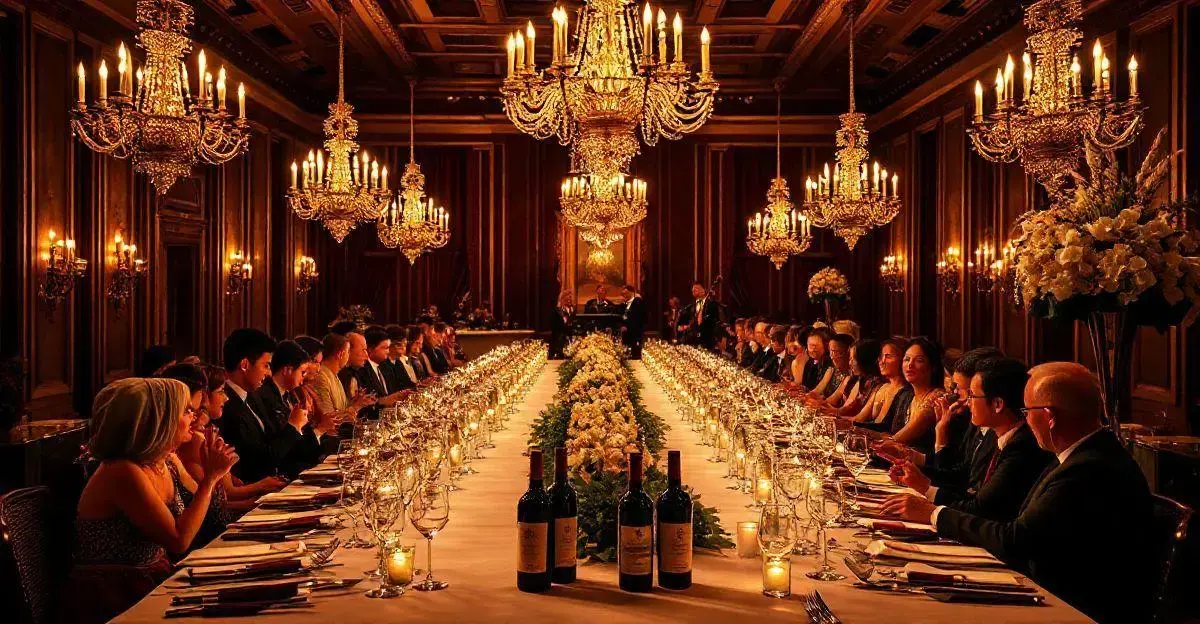
Additionally, the celebration of wine in various cultures highlights its significance. Events such as wine tastings, festivals, and exclusive dinners often showcase high-end wines, reinforcing their perceived value. Such gatherings create communities centered around appreciation and exclusivity, making access to expensive wines a coveted privilege.
Social media platforms have further fueled the fascination with luxury wines. Influencers and wine enthusiasts frequently share their experiences with expensive bottles, captivating audiences and generating buzz. This form of promotion can influence purchasing decisions, with many aspiring to replicate the lavish lifestyles portrayed online.
Moreover, wine-producing regions often promote their finest offerings through tourism. Visitors to vineyards can experience the winemaking process firsthand, nurturing a greater appreciation for the craftsmanship involved. This connection to the land enhances the allure of the “vinhos mais caro do mundo,” making owning such bottles a desirable goal for many.
In summary, the cultural context surrounding wine elevates its status beyond mere consumption. The narratives, experiences, and social connections that accompany expensive wines contribute to their market value, making them more than just beverages but cherished symbols of luxury and refinement.
**
Investing in the Most Expensive Wines
**
Currently, investing in “vinhos mais caro do mundo” has emerged as a unique opportunity for wealth preservation and growth. Collectors view these wines not only as consumable pleasures but also as tangible assets that can appreciate over time. The right vintage can yield impressive returns, making them an attractive option for both seasoned investors and novices looking to diversify their portfolios.
One critical aspect of wine investment is understanding the market. Familiarity with trends, buying patterns, and auction results can significantly impact investment strategies. For instance, certain regions or varieties may face surges in popularity, affecting pricing dynamics. Comprehensive research into wine ratings from experts can provide guidance on which bottles are likely to appreciate in value.
Additionally, proper storage conditions are vital for maintaining a wine’s integrity. Climate-controlled environments prevent degradation, thereby ensuring that the wine remains suitable for consumption and investment. Failure to store wines correctly could lead to reduced quality, ultimately affecting their resale value.
Moreover, networking with fellow collectors offers insights into the market. Building relationships with dealers and auction houses can provide access to rare bottles and investment opportunities. These connections can be beneficial for acquiring sought-after wines before they escalate in price.
Conclusively, approaching wine investment requires a blend of passion and guideline. While financial gains are a significant motivation, the joy of collecting and tasting fine wines adds another layer of fulfillment. For those considering venturing into this realm, the “vinhos mais caro do mundo” presents an exciting yet sophisticated challenge.
conclusão
In conclusion, the world of the most expensive wines is not only a reflection of luxury but also a testament to the artistry involved in winemaking. As discussed, factors such as rarity, vineyard reputation, and production methods play pivotal roles in determining the prices of these exquisite bottles. Understanding the nuances behind their valuation elevates one’s appreciation for the craft, making the experience of tasting them even more profound. Each bottle represents a unique story and history, inviting wine enthusiasts to explore the journey behind its creation.
The intricate relationship between wine auctions and market valuation cannot be overlooked. Auctions serve as platforms for buyers to gauge the desirability of sought-after wines, often leading to price surges that reflect the competitive nature of collectors. The evolving landscape of online wine auctions has further democratized the buying process, allowing a broader audience to engage in this exquisite market. Here, savvy investors can strategically acquire wines that hold significant appreciation potential, blending passion with financial foresight.
Cultural and social dimensions also enrich the narrative surrounding expensive wines. Sharing a fine bottle is often linked to status and community, and events celebrating high-end wines create memorable experiences that range beyond mere consumption. As social media showcases the allure of luxury wines, the desires of enthusiasts are continually influenced by trends and narratives. In essence, investing in these wines offers more than monetary gains; it provides a connection to a captivating world where craftsmanship and culture intertwine. Whether you’re a novice or a seasoned collector, understanding and appreciating the most expensive wines can lead to a rewarding journey through a sophisticated and intricate realm.