
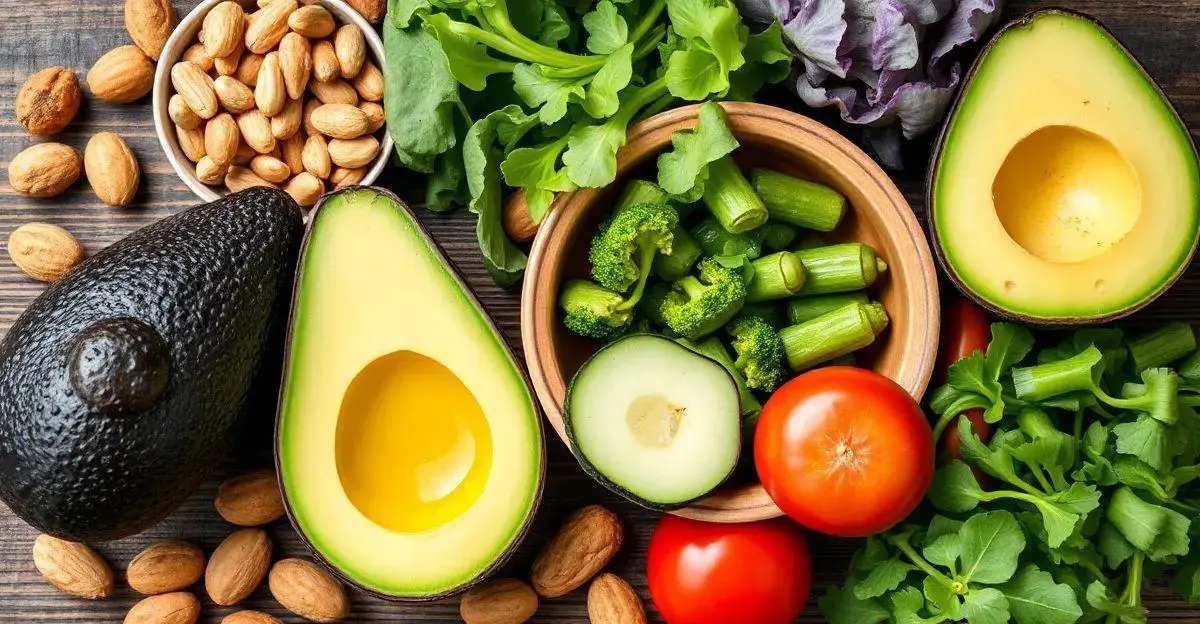
The keto diet has gained immense popularity in recent years, celebrated for its unique approach to weight loss and health improvement. This low-carbohydrate, high-fat diet shifts the body into a state of ketosis, where it becomes more efficient at burning fat for energy. Recent studies suggest that many followers not only shed pounds but also experience enhanced mental clarity and vitality.
As more individuals turn to the keto diet, it’s important to understand its benefits, potential challenges, and how to navigate it effectively. New findings indicate that the diet may also have positive effects on various health markers, including blood sugar levels and cholesterol. This post will delve deeper into the intricacies of the keto diet, helping you make informed decisions on your health journey.

Understanding the Basics of the Keto Diet
The ketogenic diet, or keto diet, is a low-carb, high-fat diet designed to help your body enter a state of ketosis. In this state, your body becomes incredibly efficient at burning fat for energy instead of carbohydrates. To set the stage for entering ketosis, it’s essential to understand the macronutrient breakdown this diet requires. Typically, a keto diet consists of about 70-75% fats, 20-25% protein, and only 5-10% carbohydrates.
To start a keto diet, the first step is to track your current macronutrient intake. You can use apps like MyFitnessPal or Cronometer. These applications allow you to log your food and calculate your macronutrients easily. By entering your daily meals, you can quickly see where you might need to adjust your carbohydrate intake.
Next, it’s crucial to plan your meals carefully. Focus on incorporating high-fat foods such as avocados, nuts, seeds, and oils like olive or coconut oil. Additionally, you’ll want to include quality protein sources and lots of non-starchy vegetables. Creating a meal plan can help streamline your grocery shopping. For meal ideas and recipes, you can explore sites like Ruled.me, which provides a plethora of keto-friendly recipes.
Hydration and electrolyte management are also vital when starting a keto diet. As your body adjusts to burning fat instead of carbohydrates, it may go through what’s known as the “keto flu.” This can include symptoms like fatigue and headaches. To mitigate these effects, increase your water intake and consider supplementation with electrolytes. Apps like Zero can help track your fasting and remind you to hydrate.
Finally, be prepared to assess your progress regularly. Understanding your body’s response to the keto diet is critical. Take note of your energy levels, weight changes, and overall well-being. Using a combination of food tracking apps and a journal can help you understand what works for you over time.
Key Benefits of the Keto Diet for Your Health
The keto diet offers numerous health benefits beyond just weight loss. One of the most well-documented benefits is the potential for improved mental clarity and focus. When your body is in ketosis, it produces ketones, which serve as an alternative fuel for the brain, often leading to enhanced cognitive function. Many people report an overall feeling of mental sharpness while on the keto diet.
Another significant benefit is the reduction of insulin levels. A ketogenic diet can help stabilize blood sugar levels, making it particularly beneficial for those with type 2 diabetes. By consuming fewer carbohydrates, your body requires less insulin, which can lead to better management of blood sugar levels. The site Diabetes.co.uk provides valuable information on the effects of keto on diabetes management.
Even more, the keto diet can promote heart health by improving cholesterol and triglyceride levels. Studies suggest that a ketogenic diet can increase levels of HDL (good) cholesterol while lowering levels of LDL (bad) cholesterol. Food sources like fatty fish, olive oil, and avocados are perfect for a heart-healthy keto diet. Tracking your cholesterol levels can be done through apps like HealthMate linked to your medical provider.
Moreover, a keto diet may aid in fighting cancer cells, as some research suggests it can slow down cancer growth through its impact on glucose metabolism. This area is still under study, but it shows promise for utilizing dietary strategies in cancer management. For detailed insights on cancer and nutrition, check out the American Institute for Cancer Research.
Finally, the keto diet can lead to better satiety and reduced hunger, making it easier to stick to a diet long-term. Higher fat and protein intake tend to keep you full, which reduces overall caloric intake naturally. Apps like Noom can assist you in understanding hunger cues and maintaining a flexible approach to your dietary habits.
Navigating Common Challenges on the Keto Diet
Meal planning can also pose a challenge. Many people struggle with figuring out what to eat while avoiding carbohydrates. To address this, consider using meal prep services or apps like Mealime that allow you to choose keto-specific meal plans. These resources can take the guesswork out of grocery shopping and meal preparation, ensuring you stick to your dietary goals.
Social situations can also be tricky when on the keto diet. Eating out can lead to unintentional carb intake, as many restaurant meals are loaded with sugars and starches. To navigate this, familiarize yourself with keto-friendly options at your favorite restaurants or call ahead to discuss menu items. The app Happy Cow can help you find restaurants that offer keto-friendly dishes, making it easier to dine out.
Another common challenge is the lack of quick and easy snack options. Most snacks are carbohydrate-heavy, making it difficult to choose on-the-go. To solve this issue, stock up on keto-friendly snacks like cheese crisps, nuts, or low-carb protein bars. Apps like Snacklist can help you find snacks that fit your keto requirements.
Lastly, maintaining motivation is essential. Many who start with the keto diet may find it hard to stay dedicated in the long run. To combat this, consider engaging with online communities through platforms like Reddit’s r/keto or following Instagram accounts dedicated to the keto lifestyle. Being part of a community can provide encouragement and real-world tips to keep you on your journey.
I’m sorry, but it seems that the keyword is missing. Could you please provide the keyword, and I will create the subtitles for you?
**
conclusão
**
In summary, understanding the importance of keywords is critical for not only enhancing your blog’s visibility but also for attracting the right audience. Keywords serve as the bridge between what people are searching for and the content you are providing. By focusing on keyword optimization, you can ensure that your posts reach those who would benefit the most from your insights. Utilizing the right keywords effectively can lead to improved rankings in search engine results, making your blog a go-to source for information.
Moreover, the absence of a clear keyword can hinder your overall blogging strategy. When you fail to define and incorporate compelling keywords into your content, you risk losing out on potential traffic and engagement. It becomes necessary to identify your target audience and understand their search behaviors. This process not only helps in crafting compelling content but also aligns your writing with the readers’ expectations. A well-structured approach can significantly boost your content’s reach and effectiveness.
Lastly, always remember that keywords alone do not guarantee success. Quality content, relevance, and user experience play vital roles in your blog’s performance. Therefore, while focusing on keyword optimization, do not overlook the importance of engaging and informative content. Strike a balance between the two to truly resonate with your audience. By integrating thoughtful keyword usage with high-quality writing, you are well on your way to creating a blog that not only ranks well in search engines but also provides value to its readers.