

Gingivitis is a common gum disease that affects many people worldwide. Finding an effective gingivitis cure at home is essential for maintaining good oral health. This condition occurs when plaque build-up leads to inflammation of the gums, causing discomfort and bad breath. Thankfully, several home remedies can help alleviate symptoms and improve gum health.
Recent studies show that natural ingredients like saltwater rinses, baking soda, and essential oils can effectively combat gingivitis. These remedies not only reduce inflammation but can also promote healing in the gums. By integrating these practices into your daily routine, you can take control of your oral health and reduce the risk of more severe dental issues in the future.
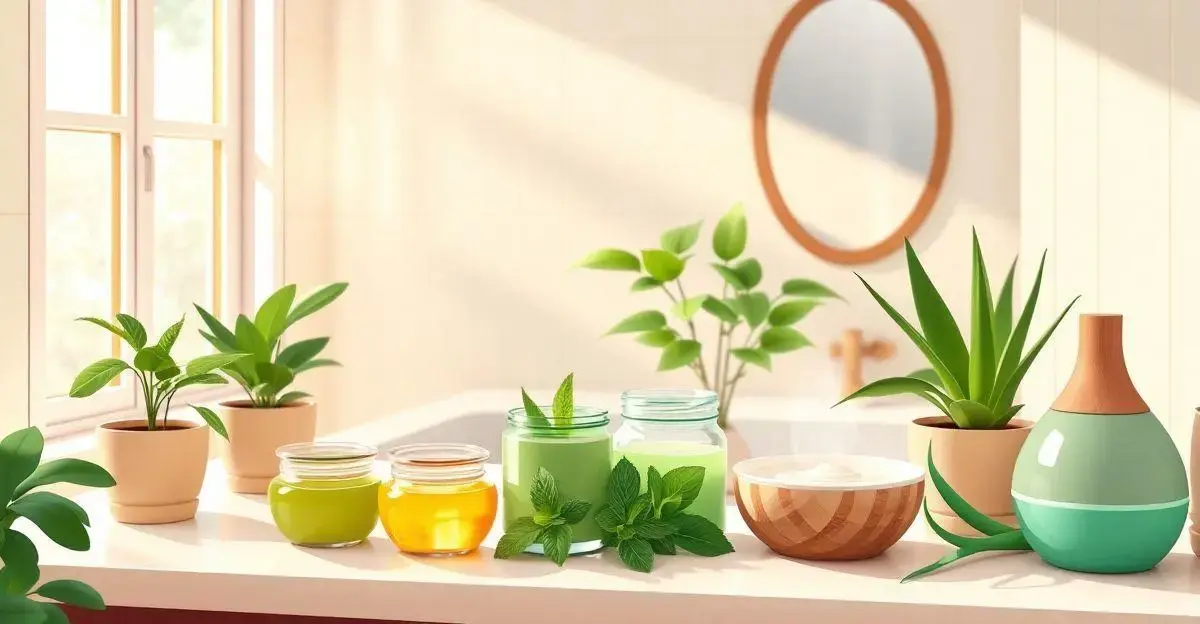
Understanding Gingivitis and Its Impact on Oral Health
Gingivitis is a common gum disease that is characterized by inflammation of the gums. It is caused by the buildup of plaque on the teeth, which can lead to irritation and infection of the gum tissue. If left untreated, gingivitis can progress to more serious gum diseases such as periodontitis, which can ultimately result in tooth loss.
To better understand gingivitis and its impact on oral health, one can use educational resources like the American Dental Association website. The ADA offers detailed information on the causes of gingivitis, its symptoms, and the potential consequences if left untreated. By educating oneself on the importance of proper oral hygiene and regular dental check-ups, individuals can take proactive steps to prevent and treat gingivitis.
Furthermore, learning about the connection between gingivitis and overall health is crucial. Research has shown that gum disease can have systemic effects on the body, increasing the risk of conditions such as heart disease and diabetes. By addressing gingivitis early on, one can not only safeguard their oral health but also contribute to their overall well-being.
Top Home Remedies for a Gingivitis Cure That Really Work
There are several effective home remedies that can help in treating gingivitis and promoting gum health. One popular remedy is oil pulling, which involves swishing coconut oil in the mouth for 15-20 minutes to reduce bacteria and inflammation in the gums. Websites like Healthline provide detailed guides on how to properly perform oil pulling at home for optimal results.
Another natural remedy for gingivitis is the use of tea tree oil. This essential oil has antimicrobial properties that can help reduce inflammation and fight off harmful bacteria in the mouth. Websites like WebMD offer insights on how to safely use tea tree oil as a mouthwash to combat gingivitis.
In addition to home remedies, maintaining a proper oral hygiene routine is essential for treating and preventing gingivitis. Brushing twice a day, flossing regularly, and using an antiseptic mouthwash can help remove plaque and bacteria that contribute to gum disease. WebMD features articles on the importance of good oral hygiene practices for gum health.
Preventative Tips to Maintain Healthy Gums and Avoid Gingivitis
Prevention is key when it comes to maintaining healthy gums and preventing gingivitis. One essential tip is to schedule regular dental appointments for professional cleanings and check-ups. Websites like Colgate provide information on the recommended frequency of dental visits to ensure optimal oral health.
Another preventative measure is to follow a balanced diet rich in vitamins and minerals that support gum health. Foods high in vitamin C, such as citrus fruits and leafy greens, can help strengthen the immune system and reduce inflammation in the gums. The Mayo Clinic website offers dietary guidelines for promoting oral health and preventing gum disease.
Furthermore, avoiding tobacco products and limiting sugary foods and beverages can significantly reduce the risk of developing gingivitis. Websites like the Centers for Disease Control and Prevention (CDC) offer resources on the harmful effects of tobacco on oral health and strategies for quitting smoking. By incorporating these preventative tips into daily oral care routines, individuals can effectively maintain healthy gums and prevent gingivitis.
**
The World’s Most Expensive Wines
**
When we talk about the most expensive wines in the world, we enter a world of incredible craftsmanship, rare vineyards, and age-old traditions. These wines are not just beverages; they are investments, experiences, and often, a glimpse into history. One key element contributing to their price is the rarity of the grapes used in production. Many of these wines come from small, limited fields where yield is low, and quality is paramount. Therefore, the scarcity directly impacts the market value, making them some of the highest valued bottles available.
Additionally, the age of the wine plays a significant role in its pricing. Older wines often have developed complexities that younger wines cannot replicate. For example, certain vintages from prominent winemaking regions have become legendary over decades, leading collectors to spend staggering amounts to secure a bottle. The experience of tasting these wines is often indescribable—each sip tells a tale of its past, the soil it came from, and the meticulous work of its producers.
It’s also worth noting that the reputation of the winery itself contributes greatly to the price. Renowned wine producers like Château Lafite Rothschild and Domaine de la Romanée-Conti have established a legacy over centuries. Their wines are consistently rated among the best, and buyers are willing to pay exorbitant amounts to own a piece of that legacy. The allure of these brands ensures a continuous high demand, further driving up their prices.
Another intriguing aspect is how auctions influence the prices of the most expensive wines in the world. Vintage wines often appear at high-profile auctions where collectors and investors are eager to outbid each other. The excitement of competing for a rare bottle adds to its value, turning the process of acquiring fine wines into a thrilling event. In many cases, these auctions achieve record-breaking sales, highlighting the ever-increasing market for luxury wines.
Lastly, pairing these exquisite wines with the proper food can greatly enhance your tasting experience. Fine dining elements come into play, where chefs curate dishes that complement the intricate flavors found in expensive wines. Understanding wine pairings can elevate a simple meal to an extraordinary feast where every component is in harmony. For those who delve into this world passionately, the most expensive wines in the world offer not just a drink but a celebration of art, culture, and human achievement.
**
How to Acquire the Most Expensive Wines
**
If you’re interested in exploring the world of fine wines, understanding how to acquire the most expensive wines in the world is crucial. The first step is to educate yourself about wine. Knowledge about vintages, grape varieties, and producer backgrounds is vital. A well-informed buyer can identify authentic products and avoid fakes that plague the high-end wine market. Reading books, attending tastings, or joining wine clubs can provide insights into this vast world.
Your next step should be to establish a budget. Luxury wines often come with sky-high price tags, so it is essential to decide how much you’re willing to spend. Once your budget is set, you can narrow your search to specific wines that fit within your price range and personal taste preferences. This approach helps prevent impulse buys, which can lead to regret later.
Finding trusted sources for purchasing these wines is also key. Auctions are a popular avenue, but ensure you are dealing with reputable auction houses. Websites specializing in high-end wines can also be a source; some even guarantee authenticity. Additionally, consider joining wine investment platforms that offer rare bottles as a form of investment.
It’s important to also connect with wine collectors and experts. Networking with individuals who already have experience can provide valuable recommendations and insights. Joining forums or attending wine exhibitions can help you build relationships within the community. Many collectors can offer advice about which wines to purchase, how to store them, and when to sell them for a profit.
Finally, once you’ve acquired these prestigious bottles, understanding how to care for them is essential. Proper storage environments are crucial for maintaining quality. Temperature-controlled conditions, consistent humidity levels, and dark surroundings can make a difference in preserving the wine’s integrity. This investment in care ensures that when the time comes to enjoy or sell your most expensive wines in the world, you’ll do so with confidence.
conclusão
In conclusion, the world of the most expensive wines is a fascinating blend of history, rarity, and craftsmanship. These wines represent more than just exquisite beverages; they are living testimonials of the regions they hail from and the expert winemakers who dedicate their lives to the craft. The scarcity of grapes, coupled with the aging process and the esteemed reputation of renowned wineries, elevates their status to that of luxury investments. By understanding the factors that contribute to their extraordinary prices, wine enthusiasts can appreciate the nuances that make these bottles so special.
Additionally, the journey to acquiring the most expensive wines requires careful planning and knowledge. Starting with education about wine varieties, vintages, and trusted production techniques is crucial for any aspiring collector. Establishing a realistic budget ensures that purchases are made thoughtfully, avoiding the pitfalls of impulse buying. Connecting with collectors and experts can provide further guidance, allowing for more informed decisions and a deeper appreciation of the art of wine. It is through these networks that individuals can enhance their understanding and enjoyment of rare bottles.
Finally, once one has invested in these prestigious wines, it becomes essential to ensure they are well cared for. Proper storage conditions will help maintain the wine’s integrity for years to come. The excitement of owning the most expensive wines goes beyond the initial purchase; it extends to the entire experience, from the thrill of auctions to the joy of sharing them with loved ones. By immersing oneself in this world, collectors can find a space that celebrates not only fine wine but also the social and cultural connections that come with it. Thus, the most expensive wines serve as a gateway to rich experiences that can be cherished for a lifetime.