
Two factor login is becoming an essential part of online security in today’s digital landscape. With increasing reports of data breaches and cyber-attacks, using just a password is no longer deemed sufficient to protect sensitive information. Two factor authentication adds an extra layer of security by requiring users to provide two forms of identification before accessing their accounts.
Experts recommend enabling two factor login on all important accounts, including email and financial services, to greatly reduce the risk of unauthorized access. Recent studies show that accounts with two factor authentication are 99.9% less likely to be compromised compared to those using only passwords. As technology and cyber threats evolve, adopting two factor login can make a significant difference in safeguarding personal and professional data.
Understanding the Basics of Two Factor Login
Two-factor login, or two-factor authentication (2FA), is a security process that adds an extra layer of protection to your online accounts. Instead of just needing a password, users must provide a second piece of information, which can be something they own or a biometric feature. This method is highly recommended for safeguarding sensitive data and reducing the risk of identity theft.
The concept behind two-factor authentication is simple: even if someone steals your password, they still cannot access your account without the second factor. This makes it immensely harder for unauthorized users to gain access. Common methods for 2FA include receiving a text message with a code, using an authentication app, or generating codes via a hardware token.
One popular authentication app for two-factor login is Google Authenticator. This smartphone application generates time-based codes that change every 30 seconds. Users can install it for free on both Android and iOS, allowing them to secure multiple accounts with ease. Other notable apps include Authy and Duo Security, which are also user-friendly and provide additional features such as backup and sync options.
Many major platforms now offer two-factor login options, including social media sites, email providers, and banking institutions. When setting up 2FA, it generally involves linking your account to your chosen authentication method. Most platforms will guide you through the activation process during initial setup or through the account settings menu.
In summary, understanding the basics of two-factor login provides you with essential knowledge to enhance your online security. It is a straightforward yet effective way to protect your personal information from cyber threats. By familiarizing yourself with the mechanisms of 2FA, you can take proactive steps to safeguard your digital identity.
Why You Need Two Factor Login for Your Online Safety
In today’s digital age, security threats are prevalent, and personal data breaches have become almost commonplace. One of the primary reasons to utilize two-factor authentication (2FA) is to bolster your defenses against unauthorized access. Many users rely solely on passwords, which can be easily compromised through phishing scams, data leaks, or even social engineering tactics.
Two-factor login is essential for protecting sensitive accounts, such as banking and social media platforms. A study conducted by Google showed that using 2FA can block up to 99.9% of automated attacks. This statistic emphasizes how effective an additional authentication factor can be when safeguarding your valuable information.
Many people underestimate the importance of having a strong password. Even with a strong password, if it’s the only line of defense, your account may not be safe. By adopting two-factor login, you’re adding an additional barrier that significantly enhances your online safety. This is particularly critical for businesses where client data may also be at risk.
Moreover, many reputable service providers are increasingly requiring 2FA for business accounts and subscriptions, as a means to protect not only the user’s data but also their own business interests. Websites like Amazon, Dropbox, and Instagram encourage users to enable 2FA to minimize risks associated with unauthorized access.
In conclusion, the necessity for two-factor login stems from the increasingly sophisticated nature of online security threats. By implementing 2FA, you are effectively reducing the risks associated with identity theft and unauthorized access, thereby enhancing your overall online safety.
Setting Up Two Factor Login: A Step-by-Step Guide
Setting up two-factor authentication (2FA) is a straightforward process, and it can be done in just a few steps. To illustrate, let’s take Google as an example, but many other platforms follow a similar setup process. First, log in to your Google account and navigate to the “Security” section in your account settings.
Once you are in the “Security” section, look for the option labeled “2-Step Verification.” Click on this option to begin the setup process. Google will walk you through the steps necessary to enable 2FA, including providing your phone number. You will receive a verification code via text or a phone call to confirm you are the account owner.
After verifying your phone number, you will have the option to use an authentication app or continue receiving codes via SMS. If you opt for an app, consider using Google Authenticator or Authy, which can be downloaded from the App Store or Google Play for free. Install the app and scan the QR code displayed on your screen to link it to your account.
Next, it’s time to set up backup options. Many platforms allow you to generate backup codes that can be used if you lose access to your primary authentication method. It’s crucial to store these codes in a safe place. Google will provide you with a set of eight codes that you can print or save, which can be handy if your phone is ever lost.
Finally, once you have completed the setup process, you will be prompted to test your 2FA. This test ensures everything has been set up correctly and that you can log in using the new security measure. Make sure to keep your authentication method secure and monitor your account activities regularly for added security. By following these steps, you will have successfully set up two-factor login, significantly enhancing your online account security.
**The Exquisite World of the Most Expensive Wines**
The Allure of the Most Expensive Wines
The world of wine is vast and varied, showcasing an array of flavors, aromas, and prices. When it comes to luxury, a select category commands attention: the most expensive wines. These wines are not simply beverages; they are experiences, each bottle telling a story of the land, the climate, and the craftsmanship involved in its creation. The very essence of these wines is framed by scarcity, thorough aging processes, and impeccable quality. Thus, they transform from mere drinks into investment pieces cherished by connoisseurs.
One of the primary reasons for the high price tag is the meticulous effort involved in producing such wines. The vineyards from which they originate are often located in prime terroirs, where conditions for grape growing are ideal. Grapes from these regions tend to have concentrated flavors, enhancing the overall wine quality. Furthermore, the choice of grape variety plays a significant role; rare varieties often yield exceptional wines that can fetch astronomical prices.
Additionally, the production process must not be overlooked. Many of the most expensive wines undergo rigorous selection during harvesting, with only the best grapes making the cut. Once harvested, the fermentation and aging process can take years, if not decades. This dedication to time and detail contributes to the flavor profile and overall excellence of the wine, further justifying its high cost.
Another fascinating aspect is the influence of historical significance. Certain wines have been produced for centuries, with rich histories that add to their allure. Vintages that have gained status as icons often appreciate in value, creating a higher demand among collectors and investment-minded buyers.
Ultimately, the most expensive wines symbolize more than just luxury; they represent passion, heritage, and a dedication to the art of winemaking. This allure keeps enthusiasts seeking the experience of tasting these extraordinary wines, whether for personal enjoyment or as a part of their investment portfolio.
Understanding the Factors Behind Their Prices
The pricing of the most expensive wines is a complex interplay of various factors. Scarcity is perhaps the most significant element; as supply diminishes, demand elevates, driving prices higher. When a vineyard produces a limited number of bottles in a particular year, it creates a buzz that appeals to collectors who are willing to pay a premium for such exclusivity.
Moreover, the reputation of the winery plays an important role. Renowned producers with a long history of excellence often achieve high bidding wars among collectors. The association of a specific vineyard with prestigious accolades or high ratings from wine critics can propel prices to staggering heights, as enthusiasts clamor to own a piece of the winery’s legacy.
Furthermore, provenance is crucial in the world of fine wine. The wine’s journey from vineyard to bottle to consumer significantly impacts its value. Established and respected auction houses often facilitate the sale of these wines, providing a layer of confidence and assurance to buyers regarding the authenticity of what they are purchasing.
Age worthiness is another important consideration. Well-aged wines typically develop richer and more complex flavors, thus widening their appeal. Wine collectors often seek older bottles that have been well-stored and maintained properly, contributing further to their market value.
Lastly, the global market trends also influence wine prices. Economic factors, cultural shifts towards fine dining, and increased interest in wine investment have led to rising prices across the board. Many people now view collecting and investing in the most expensive wines as a viable alternative to traditional investment methods, leading to competition and escalated prices.
It’s Not Just Price: The Experience of Tasting the Most Expensive Wines
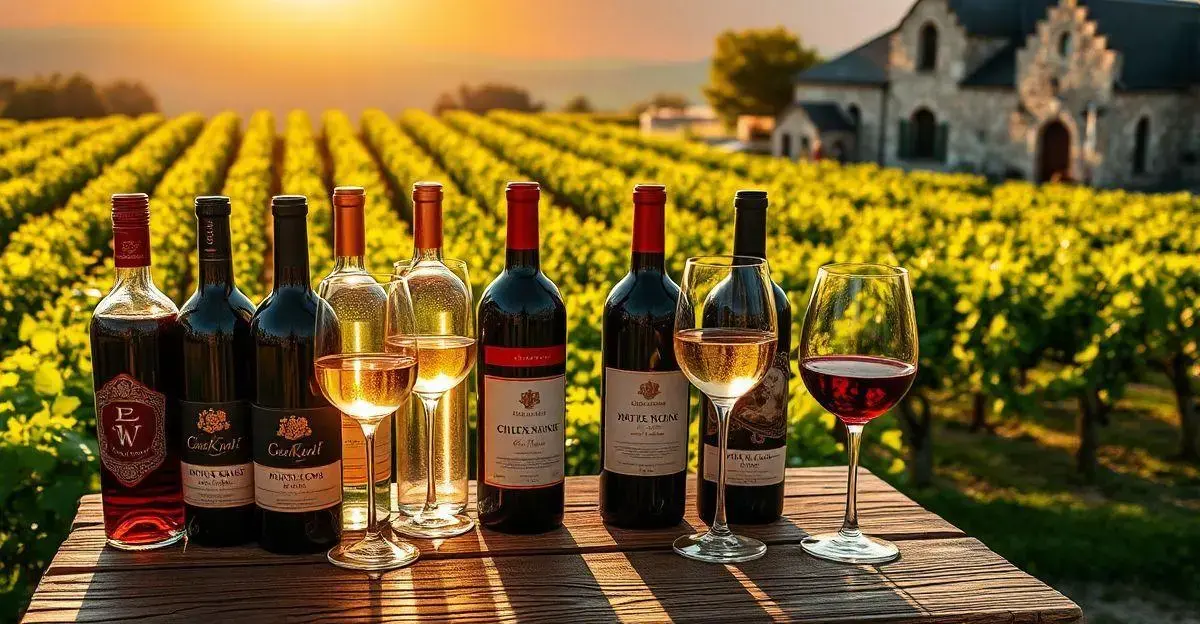
Tasting the most expensive wines is a unique experience that transcends flavor alone. When savoring one of the world’s most extravagant bottles, every sip is an occasion, a chance to indulge oneself in the height of oenological artistry. The atmosphere in which one enjoys the wine contributes significantly to the experience. Clear skies, scenic vineyard views, and the company of like-minded enthusiasts can elevate the moment.
Moreover, the anticipation that builds when anticipating a rare vintage adds to the tasting experience. The act of pouring such a prized bottle evokes feelings of joy and prestige. It genuinely transforms an ordinary gathering into an extraordinary event, where conversations around the wine’s history, notes, and the vineyard’s backstory unfold, creating a rich tapestry that enhances enjoyment.
During a tasting, connoisseurs often take the opportunity to describe their experience, examining the wine’s appearance, aroma, taste, and finish. The complexity and myriad flavors often present in the most expensive wines invite extensive exploration, encouraging participants to engage their senses fully. Observing the nuances in texture, acidity, and balance fosters deeper appreciation and understanding.
Additionally, the social aspect of wine tasting is notable. Engaging with others who share a passion for these esteemed selections can lead to educational discussions. Such dialogues might involve comparing vintage years, varietals, or even tasting notes of different bottles, thereby expanding one’s appreciation for the wine-producing craft.
Finally, the opportunity to experience the most expensive wines symbolizes more than a financial investment; it is about creating memorable moments. Every bottle shared and enjoyed becomes a cherished memory, solidifying the importance of these wines in celebrating life’s milestones.
Collecting the Most Expensive Wines: A Guide
Starting a collection of the most expensive wines can be a rewarding endeavor, but it requires careful planning and consideration. It is essential to establish a clear strategy and criteria for your intended collection. Take time to research the different types of wines available and familiarize yourself with their regions of origin, producers, and price points. Understanding which wines typically increase in value over time will help you develop a shrewd purchasing strategy.
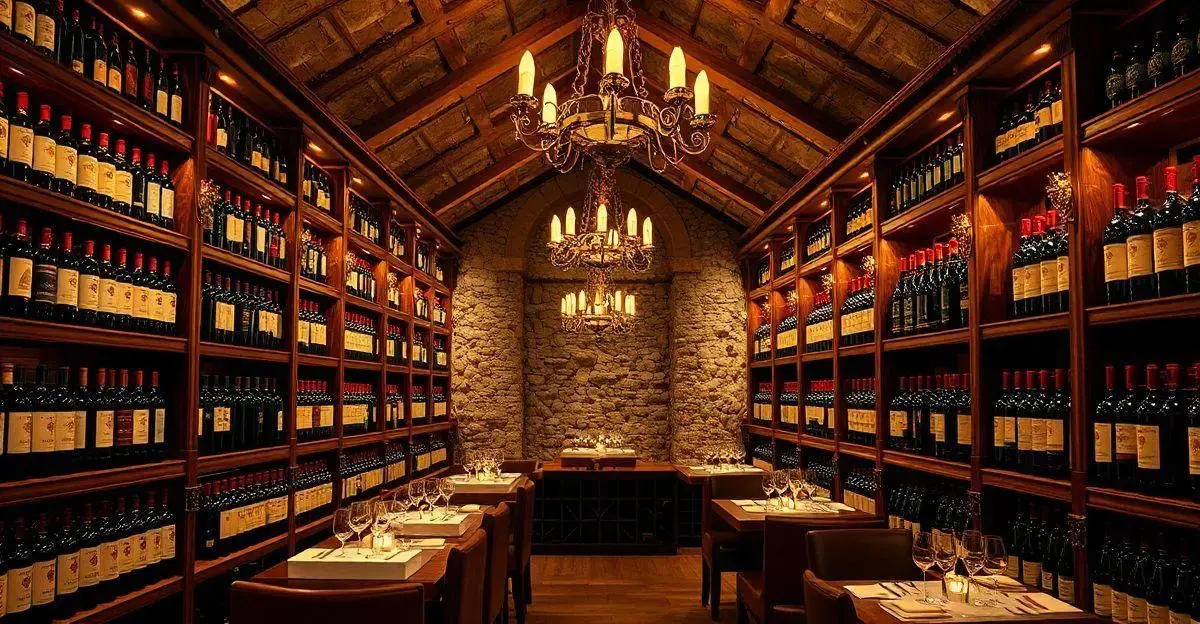
Next, think about the storage conditions your collection will require. Proper storage is vital to maintaining the quality of your wines. Aim for a cool, dark environment with consistent temperature and humidity levels. Depending on the scale of your collection, you could invest in a dedicated wine cellar or purchase high-quality wine refrigerators to safeguard your bottles.
Developing relationships with reputable wine merchants or auction houses can also be beneficial. These connections provide insider information about upcoming sales, auction results, and broader market trends. When making purchases, it is essential to verify the provenance and condition of the wines to avoid counterfeit bottles.
Moreover, attending tastings or wine-focused events can provide valuable insights. Meeting other collectors and enthusiasts can enhance your understanding of the wine’s intricacies while expanding your network within the wine community.
Finally, keep detailed records of your wines. Documentation can include purchase prices, tasting notes, and storage locations. This information will assist in tracking the evolution of your collection and its potential value over time. A well-managed collection not only provides personal enjoyment but can serve as an astute financial investment for the future.
The Future of Expensive Wines: Trends to Watch
The world of the most expensive wines is ever-evolving, influenced by trends, consumer preferences, and technological advancements. One emerging trend is the increased interest in organic and biodynamic wines. As consumers become more health-conscious and environmentally aware, these practices are gaining traction. Wineries that adhere to organic farming methods often see a rise in demand for their wines, driving prices upward.
Another trend worth noting is the rising influence of social media and digital marketing in the wine industry. Wineries now have platforms to promote their offerings directly to consumers, significantly impacting sales. Special releases are often initially marketed through social media, creating excitement that can elevate demand and, subsequently, prices for these wines.
Additionally, the rise of international markets is shifting the landscape. Asian markets, particularly China, have shown increasing interest in luxury wines, driving demand in previously untapped regions. This global expansion leads to increased competition among collectors and investors eager to secure valuable bottles.
Moreover, signature collaborations between wineries and culinary experts or artists are becoming popular. These limited-edition releases stimulate interest and elevate the experience, drawing both wine enthusiasts and the wider luxury market to engage with such products.
As wine investment continues to gain popularity, expect more people to treat available bottles as tangible assets, akin to fine art or classic cars. This perception shift may further increase both market prices and the prestige associated with owning certain vintages.
conclusão
Exploring the exquisite world of the most expensive wines reveals a fascinating blend of artistry, history, and investment potential. Each bottle acts as a portal, connecting enthusiasts to the land and craftsmanship that birthed it. The meticulous production processes, coupled with the rarity of the finest grapes and the storied reputation of historic wineries, make these wines much sought after. The careful selection of grapes and years of aging transform them from just luxurious beverages into treasured experiences and valuable investments. As their allure continues to grow, so does the profound appreciation and knowledge surrounding them.
Understanding the factors driving the exceptional prices of these wines is key for collectors and enthusiasts alike. Scarcity, proven provenance, and age-worthiness significantly contribute to the allure of the most expensive wines. Buyers are often drawn to wines that not only promise tasting pleasure but also represent a sound financial strategy. Furthermore, the rising trend of wine investments and shifting market dynamics, with emerging international markets and social media influences, is reshaping how wine enthusiasts approach luxury wines. In this ever-changing landscape, informed consumers are better equipped to navigate their choices.
Ultimately, tasting the most expensive wines transcends mere luxury; it manifests as a celebration of life’s milestones and cherished moments. Each sip becomes more than a flavor; it embodies rich stories, social connections, and the timeless experience of sharing remarkable wines with friends or family. Collecting and investing in fine wines can be both a thrilling journey and a wise choice for future financial gains. As trends toward organic practices and collaborative initiatives gain momentum, the heart of the wine community continues to thrive, inviting both seasoned collectors and novice enthusiasts into the extraordinary tapestry of wine appreciation.