

Importance of Maintaining Healthy Blood Sugar Levels
Healthy blood sugar levels are crucial for overall well-being and can have a significant impact on your health. Maintaining healthy blood sugar levels can help prevent conditions such as diabetes, heart disease, and obesity. To keep your blood sugar levels in check, there are several key factors to consider.
1. Balanced Diet:
Eating a balanced diet plays a vital role in maintaining healthy blood sugar levels. Focus on consuming whole foods such as fruits, vegetables, whole grains, and lean protein. Avoid processed foods and sugary beverages, as they can cause blood sugar spikes.
2. Regular Monitoring:
Monitoring your blood sugar levels regularly is essential for understanding how your body responds to different foods and activities. Utilize tools like glucose meters or continuous glucose monitors to track your levels and make necessary adjustments to your lifestyle.
3. Physical Activity:
Exercise is a powerful tool for managing blood sugar levels. Engage in regular physical activity such as walking, jogging, or strength training to help your body use insulin more efficiently and control blood sugar levels.
4. Stress Management:
Stress can contribute to fluctuations in blood sugar levels. Practice stress-reducing techniques such as meditation, deep breathing exercises, or yoga to keep your stress levels in check and support healthy blood sugar management.
5. Adequate Sleep:
Getting enough quality sleep is crucial for regulating blood sugar levels. Aim for 7-9 hours of sleep per night to ensure your body can function optimally and maintain stable blood sugar levels.
Tips for Achieving Healthy Blood Sugar through Diet
Diet plays a significant role in managing blood sugar levels, and making the right food choices can make a big difference in your overall health. Here are some tips for achieving healthy blood sugar through diet:
1. Portion Control:
Controlling your portions is essential for managing blood sugar levels. Use measuring cups or a food scale to accurately portion out your meals and avoid overeating.
2. Choose Complex Carbs:
Opt for complex carbohydrates such as whole grains, legumes, and vegetables, which are digested more slowly and help prevent blood sugar spikes. Avoid simple carbohydrates and sugary foods.
3. Include Protein and Fiber:
Protein and fiber help slow down the absorption of sugar into the bloodstream and keep you feeling full longer. Include sources of protein such as lean meat, eggs, and legumes, as well as high-fiber foods like fruits, vegetables, and whole grains.
4. Limit Sugary Beverages:
Avoid sugary beverages like soda and fruit juices, as they can cause rapid increases in blood sugar levels. Opt for water, herbal teas, or infused water with fruits and herbs instead.
5. Stay Hydrated:
Drinking an adequate amount of water is essential for overall health and can help regulate blood sugar levels. Aim to drink at least 8-10 cups of water per day to stay hydrated and support healthy blood sugar management.
The Role of Exercise in Supporting Healthy Blood Sugar
Regular exercise is vital for supporting healthy blood sugar levels and overall wellness. Incorporating physical activity into your daily routine can help improve insulin sensitivity and glucose metabolism. Here are some ways exercise can support healthy blood sugar:
1. Aerobic Exercise:
Aerobic exercises such as walking, running, cycling, or swimming can help lower blood sugar levels by increasing insulin sensitivity and improving glucose uptake by the muscles. Aim for at least 150 minutes of moderate-intensity aerobic exercise per week.
2. Strength Training:
Strength training exercises like weightlifting or bodyweight exercises can also benefit blood sugar control by increasing muscle mass and improving insulin sensitivity. Incorporate strength training workouts 2-3 times per week for optimal results.
3. Interval Training:
Interval training involves alternating between high-intensity bursts of exercise and low-intensity recovery periods. This type of workout can be especially effective in improving blood sugar levels and increasing overall fitness. Try incorporating interval training sessions into your weekly exercise routine.
4. Flexibility Exercises:
Flexibility exercises such as yoga or Pilates can help reduce stress levels, improve circulation, and support overall health. These exercises can complement aerobic and strength training workouts to create a well-rounded fitness routine that promotes healthy blood sugar levels.
5. Consistency is Key:
To reap the benefits of exercise for healthy blood sugar levels, consistency is crucial. Make exercise a regular part of your routine and find activities that you enjoy to stay motivated and committed to your fitness goals.
**The Most Expensive Wines in the World**
The Allure of Luxury Wines
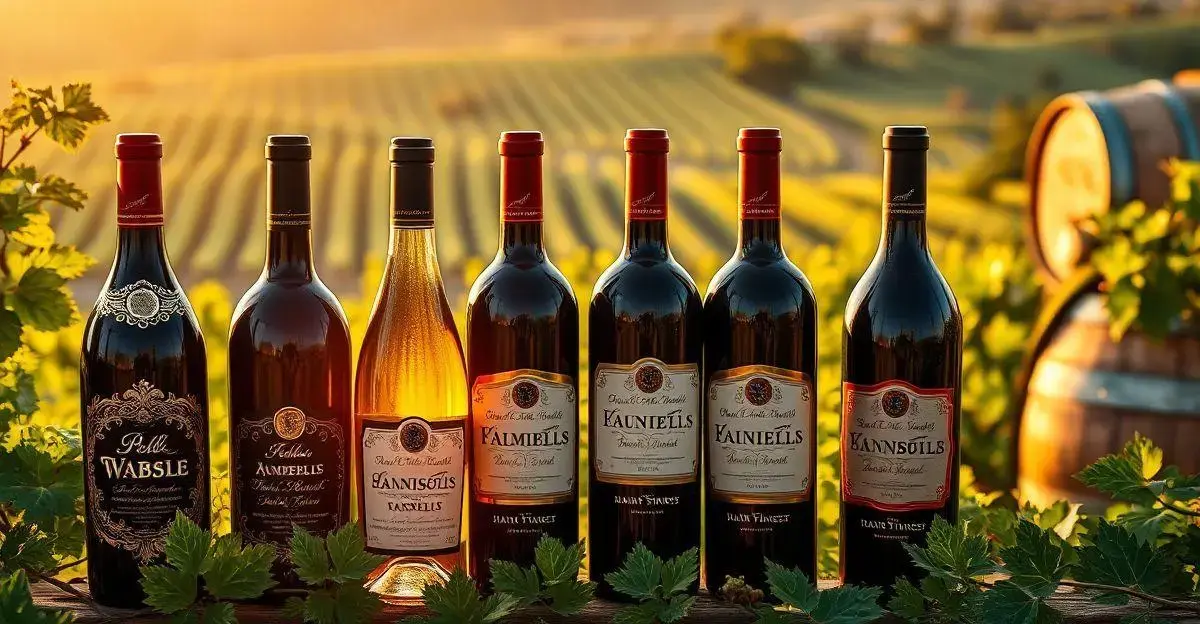
When it comes to the world of fine wines, few things captivate enthusiasts like the allure of the most expensive wines in the world. These wines are not just beverages; they are investments, collectibles, and status symbols. The high price tags associated with these libations often provoke curiosity. What makes these wines so special? The answer lies in a delicate combination of factors including rarity, provenance, and unique flavor profiles.
Many of the most expensive wines in the world originate from renowned vineyards, often with decades or even centuries of history. These vineyards invest significantly in their harvesting techniques, often utilizing small yields that can dramatically affect price. For instance, wines from established regions like Bordeaux and Burgundy are consistently sought after, contributing to their high market value.
Furthermore, the vintage year plays a significant role in a wine’s pricing. Some years are deemed exceptional, leading to lower yields but elevated quality. Collectors and connoisseurs are often on a quest for these vintage wines, making them even more coveted. Therefore, understanding the impact of vintage on value is crucial for anyone interested in purchasing the most expensive wines in the world.
Additionally, the packaging and presentation also play a pivotal role in defining a wine’s luxury status. Limited edition releases, unique bottle designs, and exquisite labeling can set a wine apart. Many prestigious brands go the extra mile to ensure that their packaging reflects the refinement and quality of the liquid within.
Lastly, tasting experiences associated with these high-end wines are often meticulously curated. Exclusive wine tastings held in luxurious settings add an element of prestige, making the experience of enjoying these wines something more than just drinking. It’s about a lifestyle, an experience that tantalizes all the senses—something that every enthusiast dreams of.
Unique Characteristics That Define High-Value Wines
The characteristics that make up the most expensive wines in the world are multifaceted. Firstly, terroir plays a critical role. This French term encompasses the geographical and climatic factors that affect a vineyard—everything from soil quality to weather patterns can influence the grapes. Exceptional terroir often results in better-quality grapes, which translates to superior wines.
Secondly, the process of vinification is crucial. Most high-end wines undergo traditional methods, which can be labor-intensive and time-consuming. This meticulous approach ensures that the final product embodies richness and complexity. Techniques such as oak aging can further enhance a wine’s profile, giving it unique characteristics that justify a higher price point.
Moreover, the reputation of the winemaker adds another layer of value. Renowned winemakers often possess unique insights and techniques that elevate a wine to an art form. Their branding is synonymous with quality; thus, wines from celebrated winemakers can command significantly higher prices due to their reputation alone.
In terms of direct consumer interest, high demand often leads to increased prices. A limited availability of certain wines, whether due to small production runs or historical significance, means that they become increasingly sought after. Auctions for these rare bottles can escalate into the millions, showcasing the lengths to which collectors will go to acquire them.
Lastly, the ability to age well is a defining feature of many of the world’s most expensive wines. These wines often have a distinct balance of acidity, tannin, and fruit that allows them to evolve beautifully over time. Enthusiasts often purchase these bottles not only for immediate enjoyment but with an eye on future appreciation.
Guidelines for Investing in Expensive Wines
Investing in the most expensive wines in the world can be an exciting journey for enthusiasts and investors alike. However, a strategic approach is essential to maximize your potential returns and enrich your experience. First and foremost, it’s crucial to do thorough research. Understand the market, familiarize yourself with regions, vintages, and producers that typically yield high-value wines.
Next, locating reputable wine merchants and auction houses is key. A trusted source can provide insights about the best practices for buying and storing. Ensure that any wine you consider investing in comes with proper provenance, meaning its history of ownership is well-documented. This minimizes the risk of counterfeit products, an unfortunate reality in luxury markets.
Once you’ve acquired a few bottles, proper storage becomes paramount. Wines should ideally be stored in a climate-controlled environment to maintain their quality. Maintain consistent temperature and humidity levels to prevent cork degradation and spoilage, ensuring the wine’s condition remains optimal for years to come.
Moreover, diversification is an important strategy in wine investment. Don’t limit yourself to a single type of wine or vineyard. Investing across a range of regions, vintages, and styles can minimize risk and enhance your portfolio’s overall resilience.
Lastly, keep an eye on market trends and be ready to sell at the right time. The wine market can be volatile, with interest in certain labels waxing and waning. By staying informed and being strategic about when to sell, you can make the most of your investment in the world of fine wines.
Where to Discover Exclusive Tasting Experiences
For those enamored with the most expensive wines in the world, experiencing them in person can be a remarkable adventure. Exclusive tasting events are often held at luxury hotels, renowned vineyards, and gourmet restaurants. These events allow wine lovers to sample rare vintages and learn about the winemaking process from experts.
One key way to find these exclusive experiences is by joining wine clubs or organizations. Many of these clubs offer members access to special events, tastings, and even vineyard tours. Not only do these memberships grant you first dibs on new offerings, but they also connect you with fellow enthusiasts, expanding your circle within the wine community.
Another option is to investigate wine festivals. These gatherings frequently feature rare bottles and allow attendees to sample from a wide array of producers. Many festivals invite winemakers to discuss their offerings, which can enhance your appreciation of the nuances behind each bottle.
Additionally, taking wine courses or attending wine schools can be beneficial. Many institutions offer tastings as part of their curricula, providing opportunities to explore high-value wines in an educational setting. This setting allows for relaxation and enjoyment while exchanging knowledge with like-minded individuals.
Lastly, don’t underestimate the power of social media and websites dedicated to wine culture. Many sommeliers and wine influencers regularly post about exclusive tasting events, often providing valuable information on where to find the most coveted wines. Following these sources can help you stay in the loop and ensure you don’t miss out on any remarkable experiences.
The Future of Fine Wine Investment
The luxury wine market is evolving, and the most expensive wines in the world are more than just drinks; they are becoming a form of investment. As younger generations become interested in wine, the dynamics of the market are shifting. With this shift comes new opportunities and challenges; thus, staying informed about trends is vital.
One significant factor influencing the future of wine investment is the rise of technology. Online marketplaces and auctions have made purchasing rare wines more accessible than ever. This technological advancement allows collectors and investors to easily source the best bottles from around the world, leading to increased competition for rarer varieties.
Climate change is a growing concern in winemaking, impacting grape yields and quality. As different regions adapt to new climates, wine quality and pricing are likely to shift. Investors should closely monitor how climate change affects vineyards and look for opportunities in emerging wine regions that might provide the next big investment return.
Furthermore, consumer preferences continue to evolve. A growing interest in organic and biodynamic wines could shift the focus from traditionally prized labels to newer brands that emphasize sustainability. Investors should keep an eye on these trends to better navigate the changing landscape of wine investment.
Lastly, as global economic conditions fluctuate, luxury items like fine wine can be impacted. Economic downturns can lead to decreased spending, while booms may drive up prices. Being aware of the broader economic landscape is essential for anyone considering investing in the most expensive wines in the world. Keeping close tabs on these factors will prepare investors to make informed decisions moving forward.
conclusão
The world of fine wines offers a fascinating journey into luxury, investment, and sensory delight. The allure of the most expensive wines is not merely about their price tags; it encompasses rarity, unique flavor profiles, and exceptional craftsmanship. Renowned vineyards, often rich in history, produce these exquisite wines using traditional methods that yield small quantities of high-quality grapes. Understanding the nuances of terroir, vinification, and the extraordinary winemakers behind these bottles is essential for any enthusiast or investor.
As we explored, the characteristics defining high-value wines are complex yet intriguing. Factors like vintage, provenance, and the ability to age beautifully influence pricing and desirability. For collectors, these wines serve as both a taste experience and a potential financial investment. Strategic approaches to wine investment, such as thorough research, proper storage, and diversification, can enhance one’s collection while mitigating risks. Keeping abreast of market trends is vital to making informed decisions about when to buy or sell, ensuring a rewarding experience.
Lastly, the future of the luxury wine market appears vibrant yet challenging. Technology is reshaping how investors acquire rare wines, while shifting consumer preferences towards sustainability could put new brands in the spotlight. With climate change also affecting wine production, adaptability will play a crucial role for both consumers and investors. By staying informed on these dynamic shifts and finding unique tasting experiences, enthusiasts can fully immerse themselves in the prestigious world of wine, making it not only a hobby but a way to connect with an age-old tradition of craftsmanship and elegance.