

In today’s fast-paced digital world, managing finances has become easier than ever with the concept of Cards and Payments Simplified. This innovative approach allows consumers to enjoy seamless transactions with just a tap or a click. As technology evolves, businesses and individuals are increasingly adopting these simplified payment methods, which cater to the growing demand for efficient and secure financial solutions.
Recent studies indicate that digital payment methods, such as mobile wallets and contactless cards, are on the rise, with millions of users preferring these options for their convenience. As more people recognize the advantages of streamlined payment processes, a shift towards Cards and Payments Simplified is becoming the norm. Understanding these trends not only helps consumers save time but also empowers businesses to enhance their customer experiences.
Benefits of Cards and Payments Simplified for Consumers
In today’s fast-paced world, simplified payment options offer numerous benefits for consumers. Firstly, the convenience of using cards saves time and effort. Instead of digging through cash or coins, consumers can make quick transactions with just a tap or swipe. This is especially beneficial in busy environments like grocery stores or restaurants, where lengthy cash transactions can create queues.
Moreover, the added security of card payments is a major advantage for consumers. Many cards come with features like fraud protection and transaction alerts. For instance, apps like Mint not only help monitor your spending but also alert you of suspicious activities on your account. This security offers peace of mind that cash simply cannot provide.
Additionally, simplified payments allow for better financial management. Consumers can track their spending habits easily through various budgeting apps. An example is YNAB (You Need A Budget), which helps you allocate portions of your income to different expenses. Using cards often helps in creating a transparent financial picture.
Reward programs associated with card payments can further entice consumers. Many credit cards offer cashback, points, or travel miles which can be redeemed for various perks. Apps like Rakuten show consumers how to maximize their rewards by linking them to their shopping habits, enhancing the value of using cards over cash.
Finally, the enhanced online shopping experience is a major benefit as well. Services like PayPal allow for seamless transactions, ensuring that consumers can shop without the hassle of entering card details every time. This expedites the checkout process and often improves overall customer satisfaction.
How Businesses Can Leverage Cards and Payments Simplified
Businesses can significantly benefit from simplified payments, starting with improving transaction efficiency. Implementing card payment systems can reduce the time customers spend paying, which enhances the overall shopping experience. Companies should consider using POS systems such as Square to streamline this process, allowing for quick and easy transactions.
Next, businesses can capitalize on the security that cards provide. By using payment processors like Stripe, companies can ensure secure transactions, which builds trust with customers. Consumers are more likely to engage with businesses that prioritize their safety, leading to increased loyalty and repeat business.
Additionally, businesses can analyze payment data to improve their offerings. Many payment platforms, such as Shopify, provide insightful analytics about customer spending habits. This information allows businesses to tailor their products and promotions to meet the desires of their customers effectively.
Offering customer loyalty programs linked to card payments can also attract and retain clients. Interfacing with apps such as LoyaltyLion can help businesses design rewarding experiences that encourage frequent purchases. These programs can make customers more likely to return, as they feel valued and rewarded.
Lastly, incorporating multiple payment options is crucial. By accepting various card types and mobile payments through platforms like Apple Pay, businesses cater to a broader audience. This flexibility can improve customer satisfaction and significantly increase sales volume.
The Future of Transactions with Cards and Payments Simplified
The future of transactions looks bright with the advent of simplified card payments, moving towards a cashless society. Innovations such as contactless payments are set to redefine convenience for consumers. Applications like Google Pay allow users to tap their phones to pay, which reduces time spent at checkout and contributes to a smoother shopping experience.
Next, we are witnessing the rise of biometric payments. With the integration of fingerprint and facial recognition technology, security is being heightened significantly. Businesses integrating this technology through apps like Apple Wallet can ensure that transactions are both quick and secure, leading to enhanced consumer confidence.
Moreover, the integration of artificial intelligence is revolutionizing payment systems. AI can facilitate personalized shopping experiences and advanced fraud detection. Companies like Adyen are on the forefront, providing AI-powered solutions for businesses to enhance the payment process and customer experience.
Digital currencies are also becoming a reality. Many financial institutions are exploring the use of cryptocurrencies in everyday transactions, which could change the landscape of payments. Platforms like Coinbase are pioneering this trend, making it easier for consumers and businesses to transact in digital currencies.
Lastly, we can expect a greater emphasis on sustainability in payment methods. Consumers are becoming more environmentally conscious, so businesses that adopt eco-friendly practices, such as reducing paper receipts or promoting digital statements, will likely appeal more to their customer base. This move towards sustainability aims to align payment practices with consumers’ values in the future.
**The Most Expensive Wines in the World: An Overview**
The Most Expensive Wines in the World: An Overview
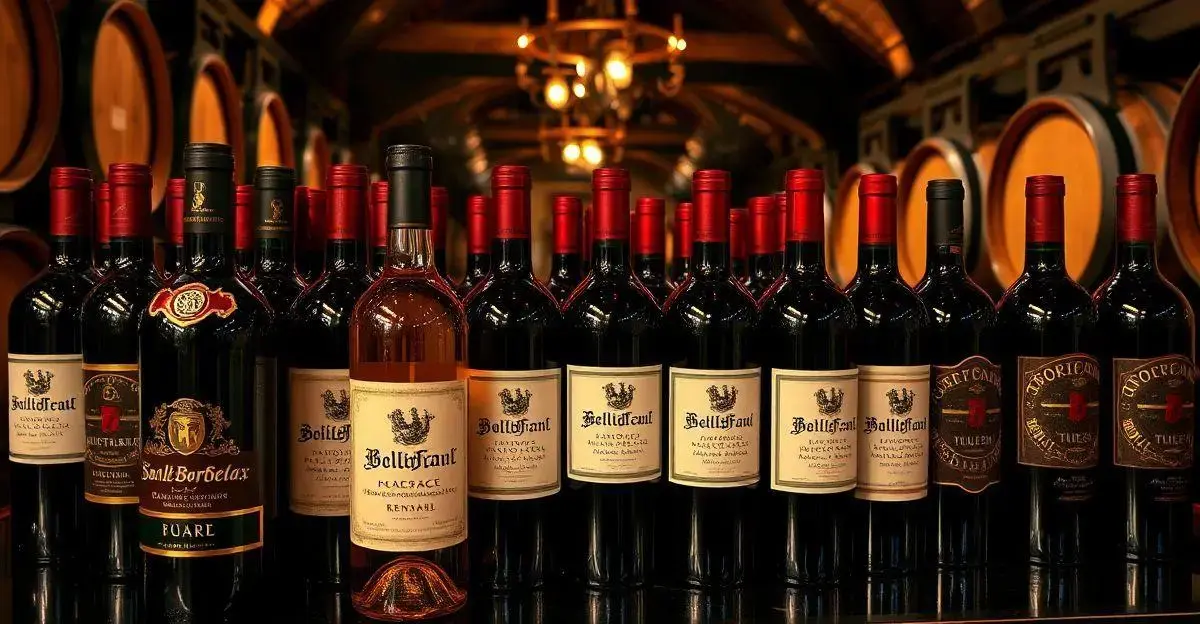
When discussing the most expensive wines in the world, it’s essential to recognize the factors that contribute to their high price. These wines often come from specific regions known for their unique terroir, which directly affects the grapes’ quality. For example, a notable source is the Bordeaux region in France, famous for its fine red wines. The cultivation methods, the age of the vines, and the weather conditions during harvest all play crucial roles.
Another significant factor is the reputation of the winery. Certain producers have garnered fame and prestige over the years, allowing them to command high prices for their products. This reputation is built not only on quality but also on historical significance. Wines that have been served at royal banquets or state dinners often see a spike in demand, thus inflating their market value.
Scarcity is another aspect influencing the prices of the most expensive wines. Limited production means that once a bottle is sold, it may never be available again. Collectors and enthusiasts are willing to pay a premium for these rare finds, knowing they may appreciate in value over time. This is the case with certain vintages of Château Lafite Rothschild, which are highly sought after by collectors around the globe.
In addition to these factors, the condition of the wine can greatly affect its value. Proper storage and aging can enhance a wine’s flavor profile and overall quality. An older wine that has been well-preserved can fetch astronomical prices at auctions. For instance, bottles of 1945 Château Mouton Rothschild have been known to sell for record-breaking sums, solidifying its status among the most expensive wines in the world.
Finally, the context of the wine’s sale can also impact its price. Auctions, fine wine retailers, and private sales can all yield different results for the same bottle. Collectors often track auction results closely to establish market trends, making timing a crucial aspect of buying and selling high-value wines. Understanding the market landscape can significantly influence acquisition strategies for those interested in investing in the most expensive wines.
**Top Five Most Expensive Wines You Should Know About**
Top Five Most Expensive Wines You Should Know About
Among the many contenders for the title of the most expensive wines in the world, there are a few standout bottles that have captured the interest of connoisseurs. First on the list is the 1945 Château Mouton Rothschild. This iconic wine has become a staple in high-end auctions, fetching prices over $350,000. Its allure stems from both its rarity and its exceptional flavor profile, making it a prized possession for collectors.
Another notable mention is the 1992 Domaine de la Romanée-Conti, a Pinot Noir that has been dubbed the “wine of kings.” Known for its luxurious and complex taste, this wine often sells for approximately $20,000 a bottle. The vineyard’s commitment to quality and limited production ensures that this wine remains a hot commodity.
The third wine worth noting is the 1787 Chateau Lafite, which famously belonged to Thomas Jefferson. This bottle was sold for over $156,000, not only because of its age but also due to its historical significance. Each sip of wine has a story to tell, and this one speaks volumes about its place in the annals of American history.
The 2003 Penfolds Grange has also made headlines as one of the most expensive wines in the world. This Australian wine has fetch prices up to $38,000 due to its rich flavors and the reputation of the vintage. Enthusiasts often praise its depth and complexity, making it a favorite among collectors.
Last but not least, the 2004 Screaming Eagle Cabernet Sauvignon stands out for its elegance and bold character. With prices that can reach as high as $3,000 per bottle, it exemplifies what it means to indulge in the most expensive wines. Collectors are attracted to its limited production and the exclusive atmosphere surrounding the winery, further driving demand and price.
**Factors That Influence the Price of Fine Wines**
Factors That Influence the Price of Fine Wines
The most expensive wines in the world do not reach their price tags by mere chance. Various elements come into play that influences their value. One of the primary factors is the origin of the wine. Regions with a long-standing reputation for producing exceptional wines, such as Bordeaux or Burgundy, typically see higher prices for their products. The geographical characteristics contribute to the quality of the grapes and, thus, the wine.
Along with the provenance, the vineyard’s quality standards also come into the picture. Exceptional wineries implement strict procedures regarding grape selection and production methods, which directly impacts the taste and quality of the final product. For instance, wineries that employ organic farming practices or biodynamic methods often produce wines that are sought after by high-end consumers, elevating their prices.
The market dynamics of supply and demand largely dictate the financial landscape for fine wines. When a particular vintage becomes desirable due to a well-reviewed release or an endorsement from a critic, prices can skyrocket as collectors rush to secure their bottles. Whiskey and other spirits often have similar fluctuations, but the wine market operates with its unique set of parameters that can be unpredictable.
Investment potential is another reason collectors are attracted to the most expensive wines. Many see fine wines not just as beverages but as tangible assets that can appreciate in value over time. Some enthusiasts purchase bottles with the intention of reselling them later, and those wines that align with market trends often yield significant returns.
Lastly, wine auctions have played an essential role in establishing pricing norms. Prestigious auction houses have become the go-to platforms for selling rare and expensive wines, with collectors closely monitoring auction results to gauge market conditions. High prices achieved at these events set benchmarks that continue to influence the overall pricing landscape for fine wines.
conclusão
In exploring the world of the most expensive wines, we uncover a fascinating interplay of factors that contribute to their high market value. The origin of the wine is paramount, with renowned regions like Bordeaux standing out. The unique terroir, paired with specific cultivation methods and weather conditions, ensures the grapes produced are of the highest quality. Moreover, the reputation of the winery itself plays a vital role in establishing the desirability and price of these exceptional wines. A storied history attached to a particular winery can elevate a wine from mere beverage to a luxurious collectible.
Scarcity further enhances this allure, as limited-production wines often become coveted treasures for collectors. When a wine is rare or has historical significance, as exemplified by the 1787 Chateau Lafite, it commands incredible prices that reflect both its age and the story it tells. Moreover, proper storage conditions are critical for maintaining quality over time, which can significantly influence a wine’s auction value. The examples provided, such as the record-selling 1945 Château Mouton Rothschild, illustrate how a combination of these elements can lead to astronomical prices.
Lastly, understanding the dynamics of the wine market is essential for anyone looking to dabble in high-value wines. Wine auctions, private sales, and established retailers offer different avenues for acquisition, each impacting the overall value of the wine in question. As the market fluctuates due to supply and demand, savvy collectors monitor these trends closely to make informed investments. With careful consideration of these factors, one can appreciate the fine wines that not only tantalize the palate but also serve as valuable assets over time. In conclusion, a knowledge-driven approach will enrich the experience for wine lovers and investors alike.