

Understanding type 1 diabetes and type 2 diabetes explained is essential for millions of people affected by these conditions. While both types involve issues with insulin production and regulation, they differ significantly in their causes, onset, and management. Recent studies show that the rise in type 2 diabetes cases has been linked to increasing obesity rates and lifestyle choices, making awareness and education more crucial than ever.
This post will delve into the fundamental differences between type 1 and type 2 diabetes, providing clear explanations to help you grasp the complexities of each type. By exploring how they develop, the symptoms to watch for, and effective strategies for living with these diabetes types, we aim to equip you with the necessary knowledge to navigate this important health topic.
Key Differences Between Type 1 Diabetes and Type 2 Diabetes
Diabetes is a chronic condition that affects how your body turns food into energy. Type 1 diabetes is usually diagnosed in children and young adults, where the body does not produce insulin. On the other hand, type 2 diabetes is more common and occurs when the body doesn’t use insulin properly.
To differentiate between the two types, one key difference is the age of onset. Type 1 diabetes is usually diagnosed in childhood or adolescence, while type 2 diabetes is often seen in adults, especially those who are overweight.
Another difference is the treatment approach. Individuals with type 1 diabetes require insulin injections to survive, as their bodies do not produce this hormone. In contrast, type 2 diabetes patients may manage their condition with oral medications, lifestyle changes, and in some cases, insulin therapy.
Monitoring blood sugar levels is crucial for both types of diabetes, but the frequency and methods may vary. Type 1 diabetics often need to check their blood sugar multiple times a day, while type 2 diabetics may monitor less frequently depending on their treatment plan.
Understanding these key differences can help individuals with diabetes and healthcare professionals tailor their management strategies effectively.
How Insulin Works in Type 1 and Type 2 Diabetes
In Type 1 diabetes, the body’s immune system attacks and destroys the insulin-producing cells in the pancreas. This results in little to no insulin production, leading to high blood sugar levels. To manage Type 1 diabetes, individuals need to inject insulin regularly to replace what the body can’t produce naturally.
On the other hand, in Type 2 diabetes, the body still produces insulin, but the cells become resistant to its effects. This leads to insulin not being utilized effectively, causing high blood sugar levels. Treatment for Type 2 diabetes focuses on improving insulin sensitivity through medication, diet, and exercise.
Insulin is crucial for regulating blood sugar levels in both types of diabetes. Understanding how it works in each type can help individuals better manage their condition and prevent complications.
There are various apps available, such as MySugr and Glucose Buddy, that can help individuals track their insulin doses, blood sugar levels, and overall diabetes management. These tools provide valuable insights and reminders to ensure proper insulin usage and monitoring.
By utilizing these resources, individuals with diabetes can effectively manage their insulin intake and improve their overall health and well-being.
Managing Your Health: Tips for Living with Type 1 and Type 2 Diabetes
Living with diabetes requires a proactive approach to health management. For individuals with both Type 1 and Type 2 diabetes, maintaining a healthy diet plays a crucial role in managing blood sugar levels. Incorporating foods rich in fiber, fruits, vegetables, and lean proteins can help stabilize blood sugar.
Regular physical activity is also essential for diabetes management. Engaging in regular exercise helps improve insulin sensitivity, lower blood sugar levels, and maintain overall health. Apps like MyFitnessPal and Fitbit can assist in setting fitness goals and tracking progress.
Monitoring blood sugar levels regularly is key to understanding how the body responds to food, exercise, and medications. Utilizing glucose meters and continuous glucose monitoring systems can provide real-time data to make informed decisions about managing diabetes effectively.
In addition to diet and exercise, stress management and adequate sleep are crucial for overall health. High stress levels can impact blood sugar levels, so incorporating relaxation techniques such as meditation or yoga can help reduce stress and improve well-being.
By incorporating these tips into daily life and utilizing technology to track progress and data, individuals with Type 1 and Type 2 diabetes can effectively manage their health and lead a fulfilling life despite their condition.
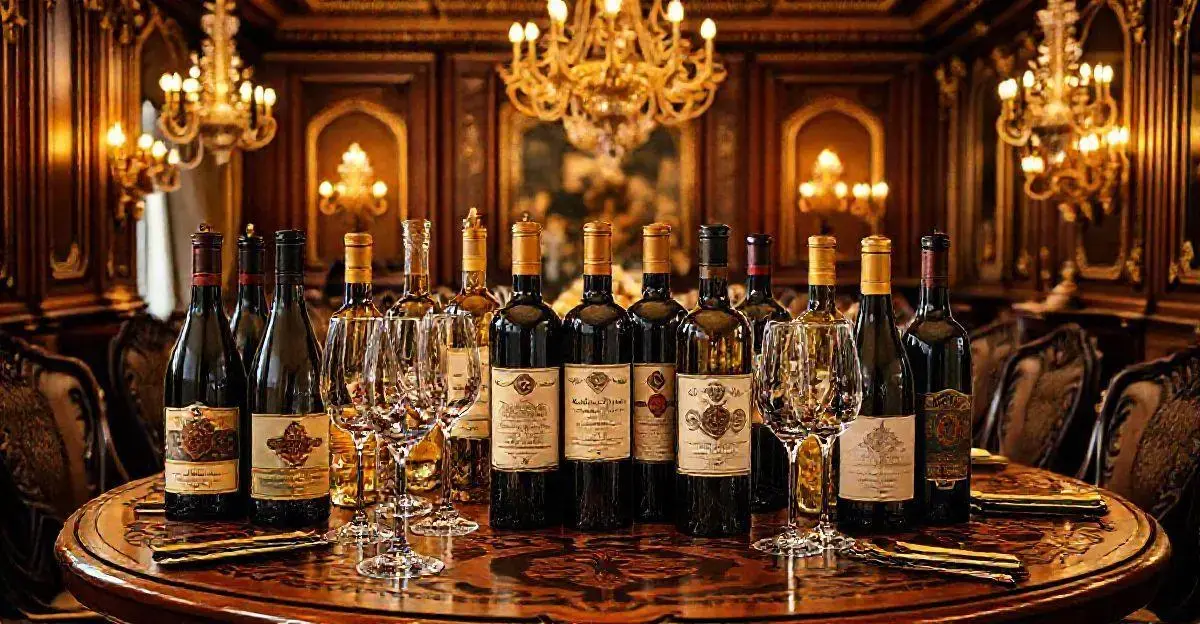
Introduction to the World’s Most Expensive Wines
When it comes to luxury, few things can match the allure of the world’s most expensive wines. These exceptional bottles are often the result of perfect vineyard conditions, meticulous winemaking processes, and sometimes, a touch of historical significance. The prices of these wines can skyrocket, often fetching thousands or even millions of dollars at auctions. Understanding what makes these wines so valuable is key for enthusiasts and collectors alike.
One of the fundamental aspects contributing to the high price of the world’s most expensive wines is their exclusivity. Limited production runs mean fewer bottles are available, creating scarcity that drives up demand. Moreover, certain vintages can only be produced in ideal weather conditions, making their availability rare and special.
The craftsmanship involved in creating these wines is another factor. Winemakers dedicate decades to perfecting their art, selecting only the best grapes from the best terroirs. This labor-intensive process often results in a product that not only tastes remarkable but also tells a story, further justifying its price tag.
Furthermore, the reputation of a wine can significantly influence its market value. Renowned winemakers or regions often have loyal followings that would pay premium prices to obtain a bottle. The wines’ ratings from prestigious critics and competitions also play a substantial role in determining their worth.
In conclusion, the world of luxury wines is as fascinating as it is complex. As we delve deeper into this subject, we will explore specific examples of the most expensive wines ever sold, shedding light on why they command such astronomical prices.
Historical Context of Expensive Wines
Historically, fine wine has been a symbol of wealth and status. The nobility and affluent classes often showcased their collection of the world’s most expensive wines as a testament to their wealth. For centuries, wine has been more than just a drink; it has been a part of social and cultural rites.
The historical significance of some of the world’s most expensive wines can be traced back to famous vineyards in regions like Bordeaux and Burgundy. Ancient production techniques combined with centuries-old vines produce wines of unparalleled quality, causing modern collectors to pay exorbitant amounts.
In many cases, the reputation of the regions where these wines are produced enhances their value further. Wine-producing regions with a rich heritage often have established clientele who are willing to pay top dollar. These wines often come with stories—historic battles, royal endorsements, or legendary winemakers—adding intrinsic value.
As the wine market evolved, so did the demand for rarer and older vintages. Auctions featuring historical bottles have become battlegrounds for the wealthy, where prices can escalate quickly. Investors now view fine wines as viable assets, with some bottles appreciating significantly over time.
Thus, understanding the history of these wines not only enriches our appreciation of them but also provides insight into why they are so highly valued. The legacy of each bottle tells a story that encapsulates centuries of craftsmanship and tradition.
Factors Influencing Wine Prices
Several factors contribute to the pricing of the world’s most expensive wines. First and foremost is the quality of the grapes used in production. Terroir, or the environmental factors affecting the grapes, plays a crucial role. Wines produced in regions with optimal conditions will command premium prices.
Secondly, the age of the wine also matters. Older bottles, particularly from noteworthy vintages, can fetch astronomical prices due to their rarity and the developed complexity of flavors. As a wine matures, it evolves, often enhancing its flavor profile, which is attractive to collectors.
The reputation of the winemaker is another crucial element. A bottle from a recognized vineyard and celebrated winemaker can significantly affect its market value. Wine enthusiasts are frequently willing to pay more for wines produced by legendary figures in the industry.
Market trends can also influence prices. The popularity of certain wines can wax and wane, sometimes unexpectedly. Keeping an eye on trends can help collectors identify potentially lucrative bottles before they skyrocket in price.
Finally, auction dynamics also play a role. Competitive bidding can drive prices much higher than even the highest estimates. Understanding these factors provides insight into the intricate world of luxury wine investment.
Top Examples of the World’s Most Expensive Wines
Among the crown jewels of the wine world is the 1945 Domaine de la Romanée-Conti, often hailed as one of the most expensive wines ever sold. This legendary bottle fetched over $558,000, a staggering sum that underscores its rarity and extraordinary pedigree.
Another highly sought-after bottle is the 1869 Château Lafite Rothschild, which sold at auction for $230,000. This wine’s prestige and historical significance contribute to its hefty price tag, making it a prized possession for elite collectors.
The collection doesn’t stop there. The 1992 Screaming Eagle Cabernet Sauvignon is another example, with its prices soaring to $500,000 for a single bottle. The brand has developed a cult-like following, generating intense demand and sky-high prices over the years.
A lesser-known but equally noteworthy selection is the 2003 Château Petrus, fetching around $18,000 per bottle at various auctions. Its consistency and quality elevate its status, making it a staple among those seeking premium wines.
Overall, these wines not only represent the pinnacle of winemaking but also serve as valuable assets in the luxury market. Each bottle has its narrative, making them desirable not only for consumption but also for investment.
Tips for Collecting Expensive Wines
For those looking to venture into the realm of luxury wines, understanding the market is crucial. First, research the types of wines that have historically appreciated in value. Familiarize yourself with top-rated vintages and renowned producers; knowledge is essential when curating your collection.
Next, consider starting with a diverse range of wines, including older vintages and emerging producers. This approach allows you to tap into various segments of the market and increases your chances of finding valuable bottles.
It’s also advisable to purchase from reputable sources. Auctions and specialized wine dealers often provide the necessary provenance and certification for high-value bottles. This will help avoid counterfeit items that could end up costing you considerably.
Moreover, proper storage is vital for maintaining the quality and value of your wines. Invest in a climate-controlled wine cellar to ensure optimal conditions that preserve the integrity of your collection.
Finally, stay informed about the wine market. Attend tastings, subscribe to wine publications, and be part of wine communities. Networking with other collectors can provide valuable insights and tips for navigating the world of expensive wines.
conclusão
The world of expensive wines is a captivating blend of luxury, history, and craftsmanship. As we have seen, it is not simply the grapes that determine the price of these extraordinary bottles. Factors such as exclusivity, the reputation of the winemaker, and historical significance all play crucial roles in establishing their market value. Limited production runs create a sense of scarcity that excites collectors and investors alike, while outstanding winemaking processes elevate the quality of the final product, making each bottle a unique story worth telling.
Moreover, the historical context of these wines provides deeper insights into their significance. Regions like Bordeaux and Burgundy are not just famous for their terroirs but also for their rich histories that have shaped the wine culture for centuries. This legacy further enhances the worth of these wines, feeding into the demand for rare vintages at auction houses where prices can reach astonishing heights. Understanding the historical importance behind each bottle not only enriches our appreciation for wine but also highlights why they often fetch such staggering amounts today.
For those eager to dive into the world of luxury wine collection, knowledge is essential. By researching renowned producers, understanding market trends, and maintaining an eye for quality, collectors can make informed decisions. Practical advice on purchasing from reputable sources and maintaining proper storage conditions will help ensure that your collection remains intact for years to come. As the market for luxury wines continues to evolve, staying engaged with the community and sharing insights can lead to even greater discoveries. Ultimately, the realm of expensive wines is one filled with potential, history, and opportunity for both enjoyment and investment.